
On March 24, the United States unveiled a new sanctions package aimed at curbing Russia’s capacity to wage a modern war and limiting its access to hard currency. The Treasury Department warned that any gold‑related dealings involving Russia could now be subject to sanctions, striking at Moscow’s long‑standing strategy of using gold reserves to circumvent financial pressure. The sanctions list reads like a directory of the Kremlin’s inner circle.
Dozens of Russian defense firms have been cut off from U.S. financing and technology. Hundreds of members of the State Duma now face asset freezes and travel bans, while the chief executive of Sberbank – Russia’s largest bank – has been personally sanctioned.
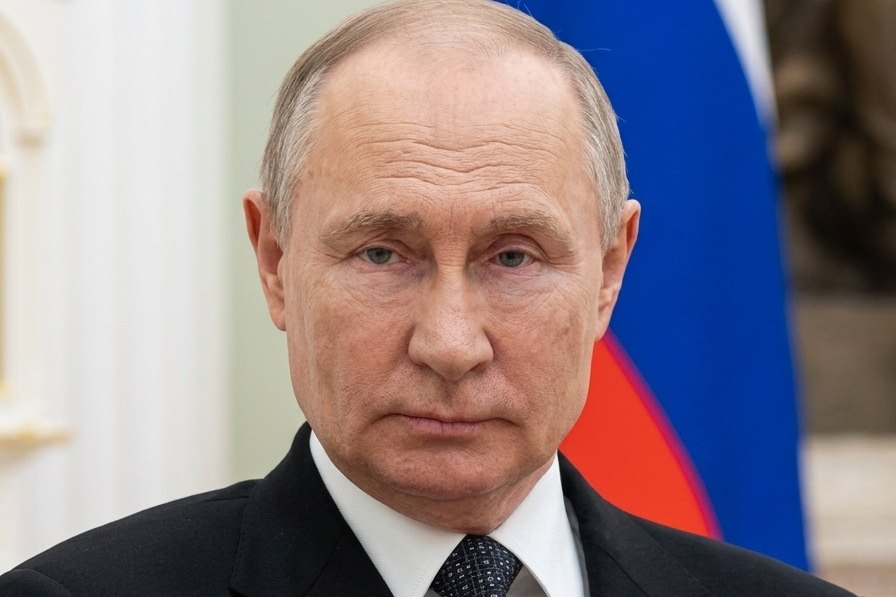
This move follows earlier rounds that targeted Sberbank, VTB, President Vladimir Putin and senior officials after the invasion began in February. According to a senior administration official, the current wave is intended to “methodically remove” every privilege Russia previously enjoyed in the international economic system. Unlike a single, dramatic blow, this approach seeks a step‑by‑step erosion of the tools the Kremlin uses to sustain its war effort.
Immediate effects are already being felt within Russia. Inflation is rising, the ruble has weakened sharply, and imported goods are becoming scarce.
Defense companies that produce tanks, missiles and electronics now confront a wall: they can no longer obtain Western components, access dollar clearing, or sell to regular customers without risking secondary sanctions. The gold warning is a particularly telling element. Russia has accumulated gold over years to create a reserve that could not be frozen or seized.
The new Treasury guidance closes that loophole by threatening sanctions against any U.S. or allied firm that assists Russia in buying or selling gold, effectively cutting off a major escape route for Russian wealth. Analysts note that the ripple effects may extend to Russia’s trade partners.
Nations such as China, India and Turkey, which have purchased Russian oil and gas, might reconsider accepting gold as payment in light of the expanded restrictions. The sanctions regime therefore aims not only to isolate Moscow but also to force other countries to choose between doing business with Russia or with the United States. While the United States warned President Putin of swift and severe consequences for the invasion, the conflict continues to intensify, with Russian forces pressing their assault. The sanctions are designed to wear down Russia’s ability to sustain the campaign over months rather than days.
For ordinary Russians, the pressure is tangible: savings are eroded by inflation, essential imports disappear, and the national currency falters. Yet the Kremlin shows no indication of backing down.
The current sanctions represent a calculated gamble that sustained economic pressure will eventually alter Moscow’s calculus. The Treasury’s gold guidance serves as a warning shot, signaling that any workaround will be met with additional rules. The broader objective is not merely punitive; it is to isolate Russia from the global financial system to a degree that the cost of continuing the war becomes untenable.
The United States has indicated that further sanctions are likely, underscoring a long‑term strategy rather than a quick fix.




