
Four and a half years into the war in Ukraine, the sanctions strategy that Western allies built against Moscow is being rewritten in Washington, and not for strategic reasons. President Donald Trump announced a deal to ease sanctions on Russian diesel, and then used an executive order to put a sweeping new sanctions package on hold, telling Congress the pause on legislation passed by both chambers was in the national interest.
Pump Prices Before the Midterms
The pressure behind the decision is domestic. According to the Energy Information Administration, US diesel rose from $3.48 a gallon at the start of 2026 to $6.18 by October 12. The American Automobile Association puts the average at a near-record $6.33. Farmers, ranchers and truckers have felt it most, and midterm elections are a month away.
Soon after the announcement the Treasury Department issued a temporary licence suspending sanctions on Russian diesel deliveries until April 2027. By Trump’s account, Russia would supply 300,000 tons in October, 500,000 in November and a million tons thereafter. Matthias Matthijs, senior fellow for Europe at the Council on Foreign Relations, said American policy is now driven by prices at the pump before the midterms, not by any shared transatlantic strategy.
Energy Secretary Wright defended the deal on CNN’s “State of the Union.” Russia has no spare diesel to export, he said, and the only way to get some is to tone down the conflict with Ukraine, so that it no longer faces Ukrainian strikes on its energy infrastructure. Secretary of State Marco Rubio told reporters the diesel would be sold to the global market one way or the other. “The only difference is how much of it the United States was going to get,” he said.
Officials in Washington blame the high prices on Ukrainian strikes on Russian refineries, which are largely retaliation for Moscow’s attacks on Ukraine’s own energy network. Analysts add that the Iran war is a major factor in the global diesel shortage.
The Graham Act Put on Hold
On Friday, Trump also stepped in on the Lindsey O. Graham Sanctioning Russia Act, which he had signed only last month after a rare burst of bipartisan agreement in Congress. The law targets Russian officials, banks and the shadow fleet of tankers that keeps Russian energy moving. It also directs the president to impose tariffs of up to 100 percent on the top five importers of Russian oil or natural gas, with an exception for countries that import less than 15 percent of Russia’s gas exports and have significantly cut those purchases.
Trump had until October 18 to impose the measures or waive them, and lawmakers had not been told which he would choose. His order waived many of the sanctions, restrictions and duties just two days before they were due to take effect. Wright said Trump hadn’t ended the sanctions, only suspended enforcement for now.
Kirill Dmitriev, Russia’s presidential envoy, wrote on social media that the suspension was “an important and truly historic moment.”
Allies and Lawmakers Push Back
A bipartisan group of a dozen US senators, six of them Republicans, wrote to Trump urging him to rescind the diesel deal and use the sanctions authorities in the law. Ukrainian President Volodymyr Zelenskyy said the deal means cash “will start flowing back into Russia” and that “gifts to Putin will not bring peace.” On NBC’s “Meet the Press” he said he hoped Trump would change his attitude to Putin.
European officials have also voiced concern. The timing was awkward: Ukrainian negotiators and representatives from Britain, France, Germany, the EU and NATO were meeting Steve Witkoff and Jared Kushner in Florida about reviving a peace deal on the day the diesel deal was announced.
Sources
- Trump’s Russia sanctions pause will pressure Putin to ‘tone down’ war in Ukraine: energy secretary
- Trump pauses new Russia sanctions passed by Congress amid deepening row with Ukraine
- Trump’s Russian Diesel Deal, Explained | Council on Foreign Relations
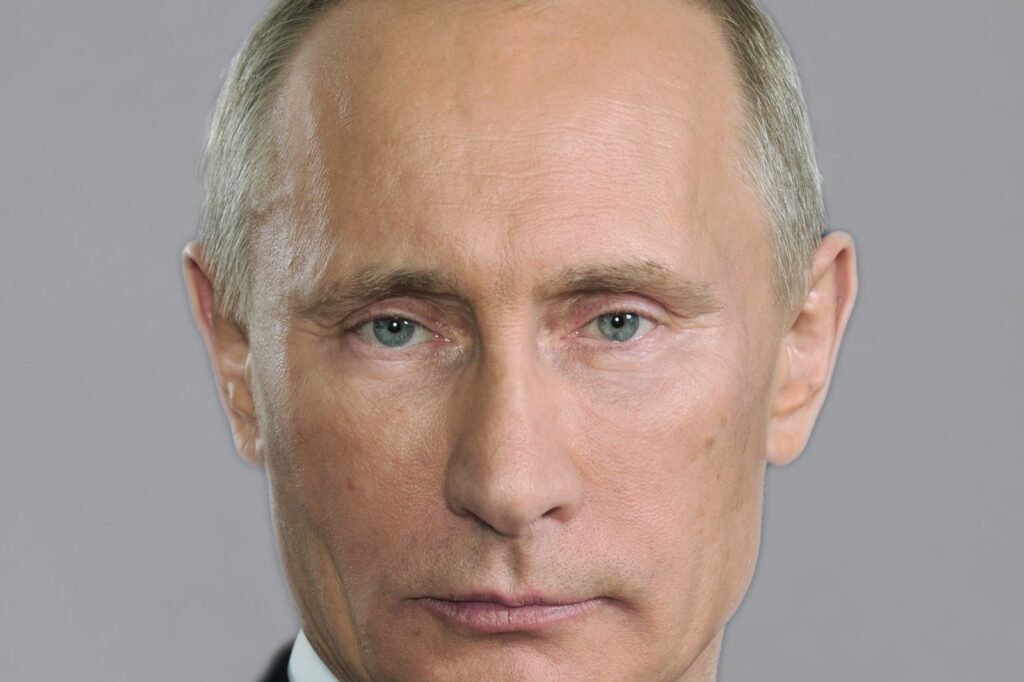
Photo: Russian Presidential Press and Information Office (CC BY 4.0)




