Russian crude was selling for around $87 per barrel in September 2023. The G7 had capped it at $60.
That gap sums up how Western sanctions have fared against the Russian economy. The pressure is real, but the money keeps moving.
The cap that leaks
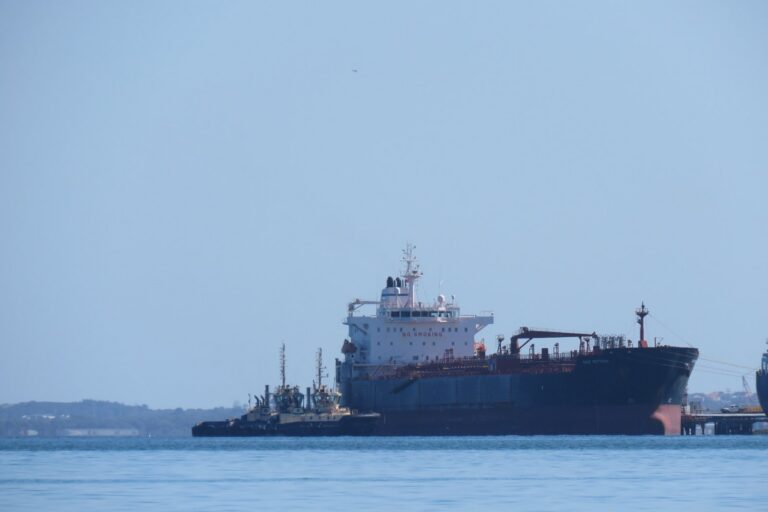
The $60-per-barrel limit was meant to keep Russian oil on the market while cutting what the Kremlin earned from it. Enforcement leans on Western shipping and insurance. Russia built a way around both: a “shadow fleet” of about 500 tankers with obscure ownership, according to David Uren in the ASPI Strategist. By August 2023 only 26% of Russian oil shipments carried identifiable Western insurance, down from 47% in May.
Buyers helped. China, India and Turkey, Russia’s largest customers, never signed the cap. Production cuts agreed with Saudi Arabia through OPEC+ tightened supply and held prices up. Some sellers may also have falsely attested compliance, so cargoes sold above the cap could look legal on paper.
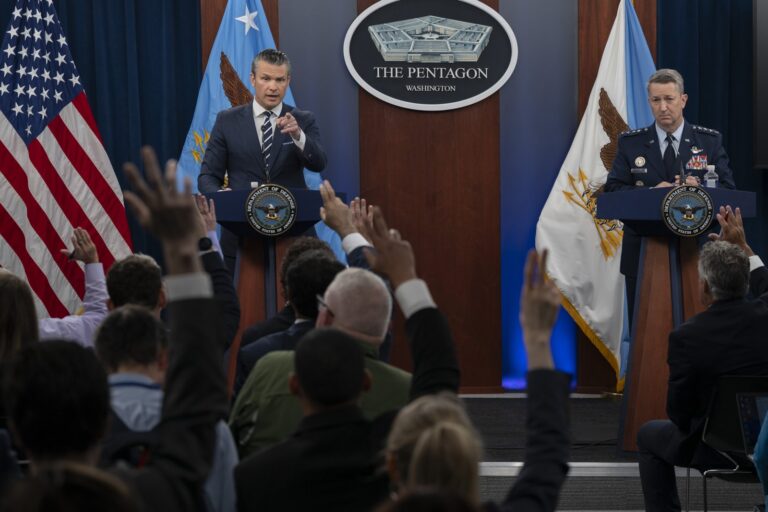
Treasury Secretary Janet Yellen conceded the cap had lost some bite. “Russia has spent a great deal of money and time and effort to provide services for the export of its oil,” she said.
Growth fed by the war
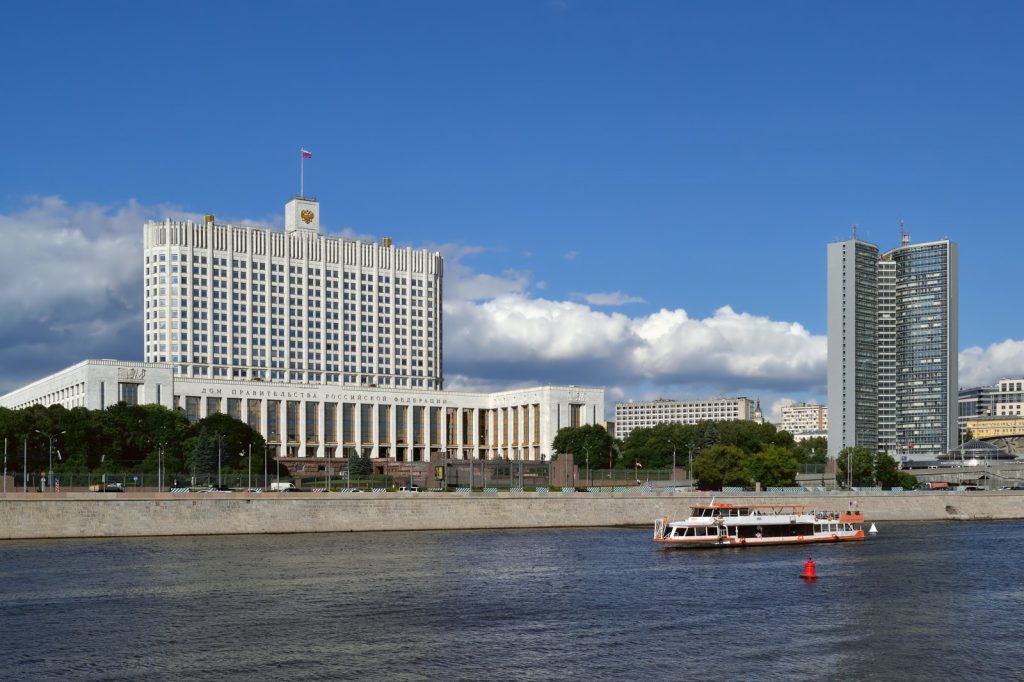
Russia’s economy shrank 1.2 percent in 2022, then grew 3.6 percent in 2023, Rosstat reported. Radio Free Europe/Radio Liberty traced the rebound mainly to war spending: factories and construction firms working for the military, plus retail sales supported by tight labor markets and higher wages as hundreds of thousands of workers were conscripted. A Capital Economics analyst described an economy “pumped up last year by spending on the war effort.”
SIPRI put Russian military spending at an estimated $109 billion in 2023, up 24 per cent in one year and 57 per cent since 2014. It took 16 per cent of all government spending and equaled 5.9 per cent of GDP.
The costs show elsewhere. The spending surge fed inflation, and the Central Bank raised interest rates. RFE/RL reported that money pulled toward the military left critical infrastructure short, and that many Russian towns have had serious heating and water failures since early 2024.
Workarounds on trade
Russia rerouted oil exports to China and India. It also imported banned technology through intermediary countries such as Kyrgyzstan. Those channels kept the economy supplied with oil income and with parts that sanctions were designed to block.
Sources
- Global military spending surges amid war, rising tensions and insecurity (SIPRI)
- Boosted By Defense Spending, Russian Economic Growth Jumped 3.6 Percent In 2023 (RFE/RL)
- Russia using 'shadow fleet' to keep oil revenues flowing (ASPI Strategist, David Uren)