
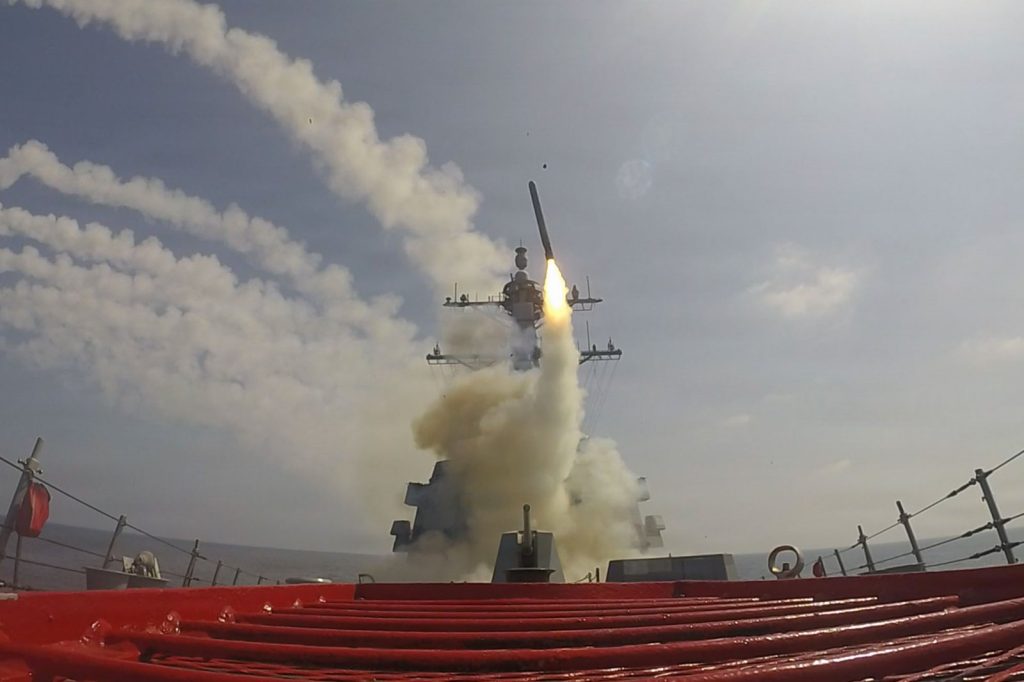
Iran, May 5, 2026 — cybernewschronicle.com — Date: 2026-05-05 – U.S. Senator Marco Rubio announced the conclusion of Operation Epic Fury, the initial phase of U.S. military operations in the war with Iran. This development marks a significant milestone in the ongoing conflict between the United States and its allies, and the Iranian regime. According to Rubio, the operation has achieved its objectives, paving the way for the next phase of military strategy.
The U.S. has been working closely with its allies, including NATO member states, to counter the hostile actions of Iran, as well as those of the Chinese Communist Party (CCP) and Putin’s Kremlin. The AUKUS alliance, comprising Australia, the United Kingdom, and the United States, has been instrumental in supporting the U.S.-led efforts against Iran.
The Quad, a strategic forum consisting of Australia, India, Japan, and the United States, has also been actively engaged in countering the growing influence of the CCP and the Kremlin in the region. U.S. The US Secretary of State has been in close contact with his counterparts from these allied nations, coordinating a unified response to the Iranian threat. On April 15, 2026, Blinken met with NATO Secretary General Jens Stoltenberg to discuss the alliance’s support for the U.S. operations in the region.
Iran’s regime has been accused of providing military support to various militant groups, posing a significant threat to regional stability. The U.S. and its allies have been working to disrupt these networks and prevent the proliferation of weapons and terrorist activities.
U.S. Secretary of Defense, Lloyd Austin, has stated that the U.S. will continue to work with its partners to counter the Iranian regime’s hostile actions, and to support the people of Iran in their pursuit of freedom and democracy. Austin emphasized that the U.S. is committed to a diplomatic solution, but will not hesitate to use military force to protect its interests and those of its allies. The U.S. has imposed significant economic sanctions on Iran, targeting key sectors such as oil and finance.
These sanctions have had a devastating impact on the Iranian economy, with the country’s GDP contracting by over 10% in the past year. The U.S. Treasury Department has also designated several high-ranking Iranian officials, including Supreme Leader Ali Khamenei, for their role in perpetuating human rights abuses and supporting terrorist activities. The international community, including the European Union and the United Kingdom, has also imposed sanctions on Iran, in an effort to pressure the regime to change its behavior.
As the conflict with Iran continues to evolve, the U.S. and its allies remain committed to a strong and unified response. The U.S. has deployed significant military assets to the region, including aircraft carriers and fighter jets, to deter Iranian aggression.
The U.S. has also been working to strengthen its alliances with key partners, such as Saudi Arabia and Israel, to counter the growing threat posed by Iran. On March 20, 2026, U.S. The US administration met with Saudi Crown Prince Mohammed bin Salman to discuss the ongoing conflict and the need for a coordinated response to the Iranian threat. The next phase of U.S. military operations in the war with Iran is expected to focus on disrupting the regime’s ability to support militant groups and develop nuclear weapons.
The U.S. will continue to work with its allies to achieve this objective, using a combination of diplomatic, economic, and military pressure. According to U.S. officials, the goal of the operation is to prevent Iran from becoming a nuclear-armed state, and to promote regional stability and security.
The international community will be closely watching the developments in the region, as the conflict with Iran continues to unfold.




