
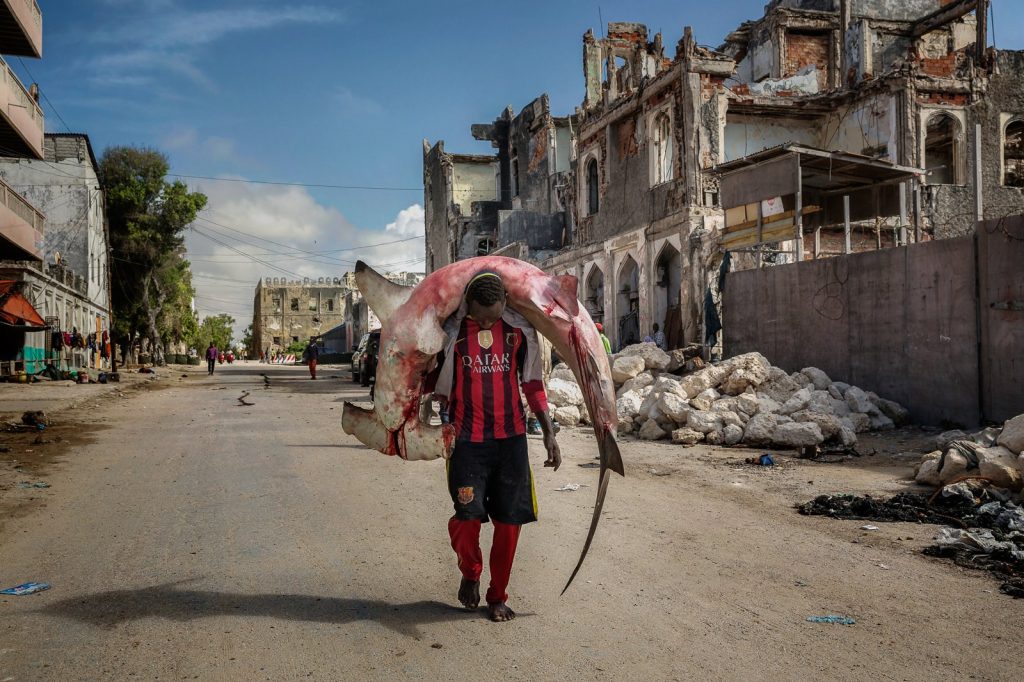
In Burhakaba district, in Somalia’s Bay region, nearly 40 per cent of children under five are already acutely malnourished. The agencies warn that farming and herding families there could slide into famine if the April to June Gu rains fail and prices keep climbing.
Four UN agencies, FAO, OCHA, UNICEF and the World Food Programme, issued a joint warning on 15 May 2026. Hunger is spreading fast. Between April and June, 6 million people, or 31 percent of the population, are living with critical food insecurity. Close to 1.9 million of them are in the Emergency phase, a figure that has tripled in under a year, according to the latest IPC analysis.
Children carry the heaviest load
About 1.9 million children are malnourished. Of those, 493,000 face severe acute malnutrition, which makes them 12 times more likely to die than a well-fed child. Measles is adding to the danger: cases across the country doubled in the first three months of 2026 compared with the same period of 2025, and the children hit hardest are the ones whose bodies are already weak.
Behind the numbers are clinics that no longer exist. More than 500 health and nutrition facilities have shut because the money ran out. Halima, a mother who took her child to an MSF-supported hospital in the Mudug region, said she came because the care there is free. “Otherwise, I wouldn’t have been able to get healthcare for my child,” she said. Transport has become so costly that many people now walk long distances to reach a clinic.
Prices rising, help shrinking
This is the first formal famine-risk finding since 2022, when massive aid kept famine from being declared after the longest drought on record. This time several pressures are landing together: drought, insecurity, flood risk and the fallout from the conflict in the Middle East. Food prices have climbed by up to 20 per cent. Global Voices reported that fuel jumped 150 percent in March, from USD 0.60 to USD 1.50 a liter, and that a jerrycan of water in the worst drought areas now costs USD 1.50 instead of USD 0.06.
The response is badly underfunded. The 2026 humanitarian plan for Somalia is only 15.2 percent funded, and nearly 90 percent of people are getting little or no support. Mercy Corps has had to suspend food distribution, water trucking and nutrition support for severely malnourished children because of those limits, Global Voices noted. The agencies add that El Nino forecasts point to flooding later in the year, so hunger and malnutrition are expected to stay high through late 2026.
What the aid chiefs say
George Conway, the UN Humanitarian Coordinator for Somalia, warned that without quick, lasting support “we risk a preventable catastrophe unfolding before our eyes.” FAO’s Etienne Peterschmitt put it bluntly: “The country is at a tipping point.” Hameed Nuru, WFP’s country director, said families “have exhausted their coping mechanisms” and that children are slipping into severe malnutrition across the country.
Mohamed Abdi of the Norwegian Refugee Council said the communities of Burhakaba were on the brink of famine and could cross that threshold by June. Only 15 percent of the humanitarian response there is funded.
Sources
- UN agencies warn of worsening hunger and malnutrition crisis in Somalia as famine risk emerges (OCHA joint press release)
- Somalia: Drought, fuel prices, and conflicts heighten famine risk (Global Voices)




