
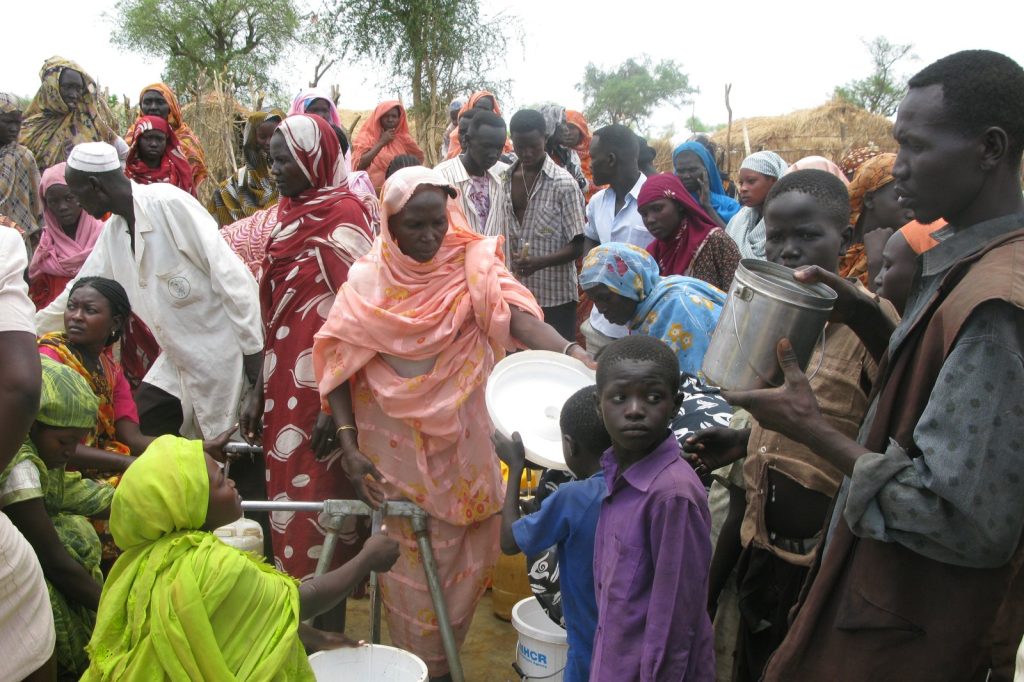
JUBA, October 6 — The World Food Programme warns that more than one million vulnerable people in South Sudan could lose access to life-saving food and nutrition assistance by October unless additional resources are secured. In Malakal, a key WFP logistics hub in Upper Nile state, food stocks have fallen from 10,000 metric tonnes at this time last year to less than 300 metric tonnes currently.
The crisis is driven by the ongoing war in Sudan, which erupted in April 2023 and has displaced over 1.4 million people into South Sudan since then, according to WFP data. Many arrive at border points like Renk in Upper Nile state after enduring journeys marked by checkpoints, extortion, and violence, often with little food, money, or belongings.
WFP Assistant Executive Director Matthew Hollingworth visited Renk, Malakal, and Pigi county in Jonglei state this month, observing the combined pressures of conflict, displacement, hunger, and climate shocks, including drought and flooding. He told Al Jazeera that the war in Sudan has driven up prices and complicated aid delivery due to difficulties in importing goods, while the influx of refugees strains a country already stretched thin. Hollingworth also noted that reduced international donor resources and illegal checkpoints within South Sudan hinder aid distribution.
Displaced persons like Peter Maker in Pigi county report that insecurity and land access issues prevent farming or livelihood activities, leaving families dependent on aid. Maker emphasized the need for long-term solutions, warning that further aid cuts would be devastating.
Transit centres in Renk, not designed for current scale, host families awaiting onward transport to Malakal or other areas, with some remaining for months. The WFP has been forced to reduce rations and cut support due to dried-up funding. The situation underscores the intersection of regional conflict, climate vulnerability, and humanitarian access challenges in one of the world’s most fragile contexts.




