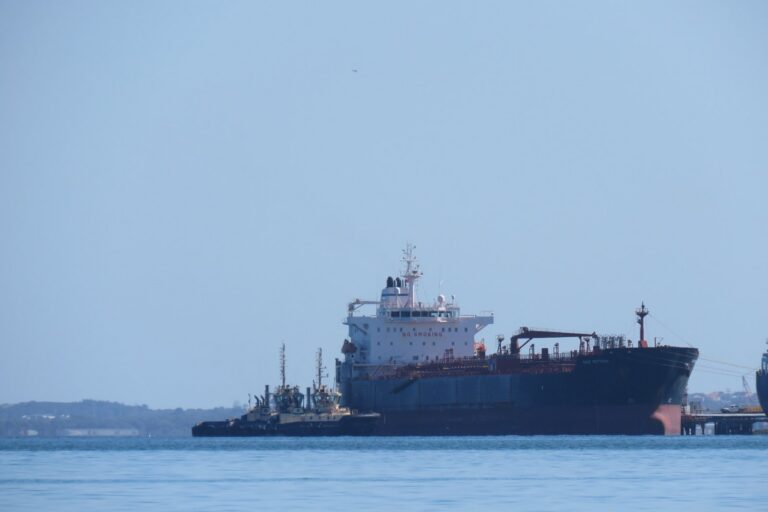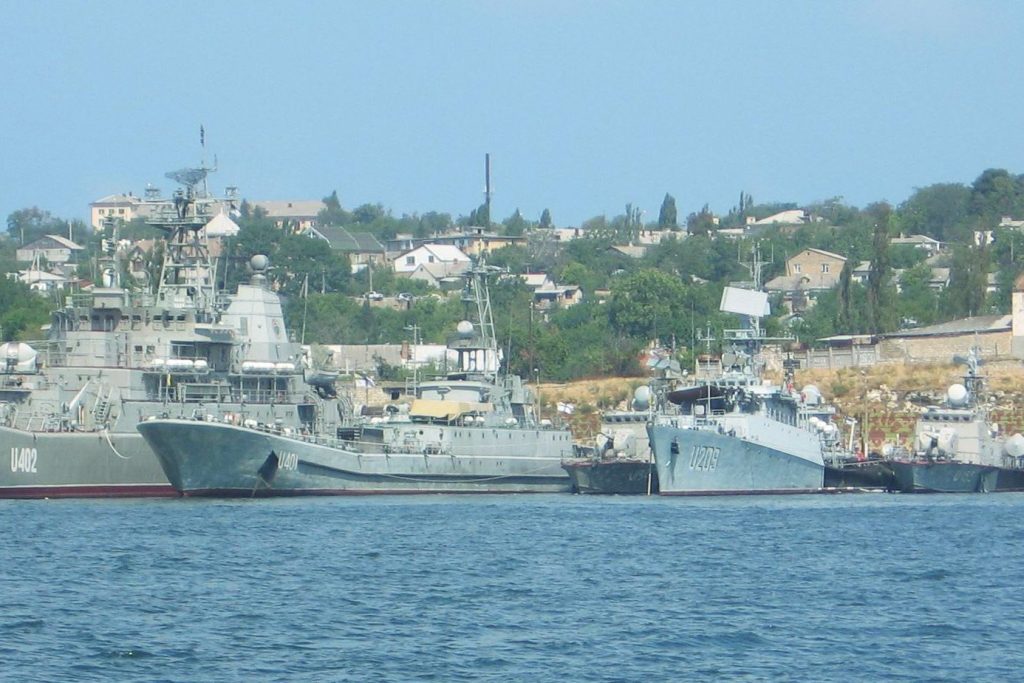
The verified development is old but foundational: at roughly 04:20 Kyiv time on October 29, 2022, a mixed force of unmanned surface vessels and aerial drones reached Russia’s main Black Sea base at Sevastopol and struck warships at anchor in the harbor. Analysts called it “opening a new era of naval warfare by using unmanned surface vessels (USV) as suicide drones”, and the label has held. This is the operation that started Ukraine’s naval-drone war.
The Raid, in Two Versions
Russian accounts of the morning differ on the count and agree on the claim of victory. The Defense Ministry’s statement put the raid at eight aerial drones and seven surface boats and said all the aerial craft and four of the boats were repelled, with three more destroyed on land; the same statement conceded slight damage to one minesweeper, the Ivan Golubets. Other Russian reporting spoke of nine aerial drones, four boats stopped at the outer perimeter of the bay’s defenses and three reaching the inner harbor, with shrapnel scoring three hulls. Footage of the strike suggests a Grigorovich-class frigate, likely the fleet’s new flagship Admiral Makarov, was hit without managing any countermeasures, and open-source satellite imagery confirmed an impact on at least one ship while contradicting claims of sinkings.
Attribution Fog and the Grain Deal
Kyiv played the raid both ways. Ukrainian officials neither confirmed nor denied carrying it out, and some voices in the country suggested a Russian false flag staged to justify what followed: hours later, Moscow walked away from the Black Sea Grain Initiative on the argument that the attack had abused the safe corridors the deal created. Russian sources attributed the operation to Ukraine’s 73rd Marine Special Operations Center and alleged guidance from British naval personnel in Ochakiv; no independent verification of any foreign involvement exists. The ministry’s framing leaned on sympathy, noting the struck ships had spent months guarding the grain corridor.
A Year of Testing
The raid did not come out of nowhere, and the record shows the tryout period. There were failed drone runs at the reconnaissance vessels Ivan Khurs on May 24 and Priazovye on June 11, an aerial strike on fleet headquarters on July 31 that injured five, and, before all of it, the April 14 sinking of the fleet flagship Moskva by Neptune missiles, which killed more than 40 sailors and scattered the fleet. A Ukrainian surface drone had gone aground on a Sevastopol beach five weeks before the raid, a warning analysts read correctly. Afterward, the fleet thinned its presence at Sevastopol in favor of Novorossiysk.
What the morning of October 29 settled was a price tag. Expendable USVs and UAVs, the Naval News analysis concluded, “will pose a major threat to multi-million dollar ships”, and bases built for a different era stopped being sanctuaries. The analysts’ own headline verdict was that “Russian bases are not safe anymore”. The lesson navies drew from it was the analysis in one line: cheap, expendable hulls against expensive ones, at anchor, in their home port.
Sources
- 2022 drone attack on the Sevastopol Naval Base — Grokipedia
- Analysis: Ukraine strikes with Kamikaze USVs – Russian bases are not safe anymore – Naval News