
KYIV, July 7 — Since the start of 2024, Ukraine has been systematically targeting Russia’s oil industry, one refinery at a time. The campaign, carried out with long-range drones, targets facilities that convert crude into fuel for Moscow’s war machine. The mechanics here are straightforward: hit the refineries, starve the front lines, and choke the export revenue that props up the Kremlin’s budget.
The Ukrainian military has deployed a series of strikes against major processing plants across western and southern Russia. The attack timeline reads like a logistical map of the country’s refining capacity.
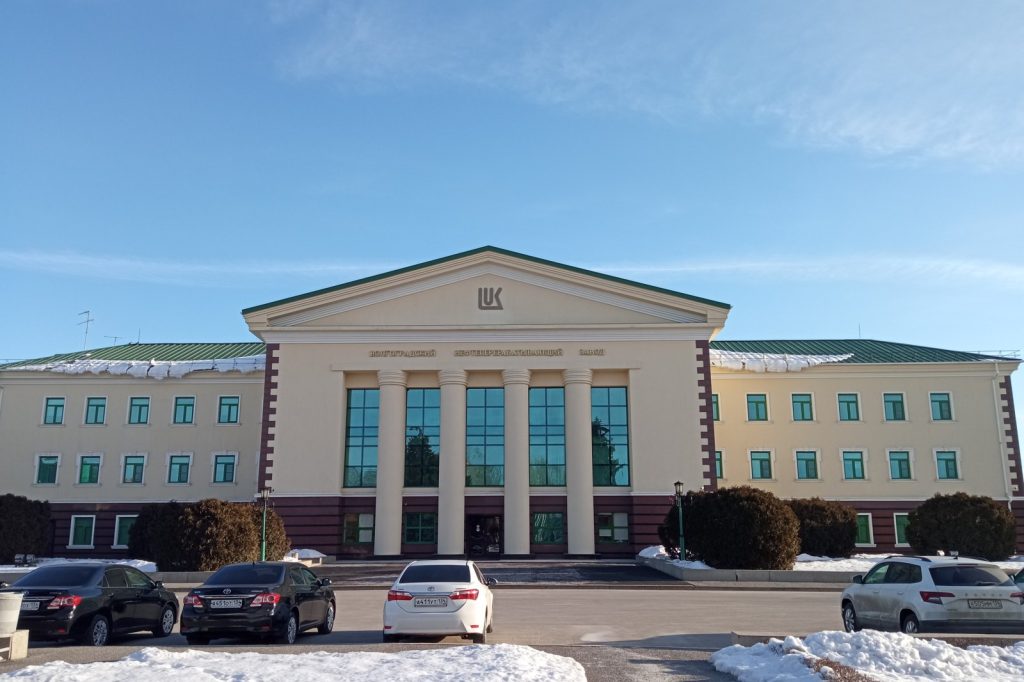
On January 25, 2024, the Tuapse refinery in Krasnodar Krai was hit. The Volgograd refinery followed on February 3. Then came the Nizhny Novgorod refinery on March 12, and the Novoshakhtinsk refinery in Rostov Oblast the next day.
The Slavyansk refinery in Krasnodar Krai was struck on April 27, and the Omsk refinery was targeted on September 21. These six facilities process a combined total of over 50 million tons of crude oil per year.
That is not a trivial slice of Russia’s downstream capacity. The catch, for Moscow, is that these plants are not easily replaced. Building new refining capacity takes years and billions of dollars.
Disabling existing ones, even temporarily, creates a bottleneck that ripples through the entire supply chain. The drones doing the work are not imported marvels. Ukraine has deployed domestically produced systems: the ‘Lyutyi’, which has a range up to 1,000 kilometers, and the ‘Palianytsia’, which can reach up to 1,500 kilometers.
Both are designed to penetrate deep into Russian territory, bypassing forward air defenses to strike at the industrial heart of the oil sector. The range figures are telling: they allow Ukraine to threaten refineries from the Black Sea coast to the Siberian plains.
The stated goal of the campaign is twofold. First, disrupt Russian fuel supplies to military units. Second, reduce the export revenues that fund the war.
Follow the money: crude oil exports are Russia’s single largest source of foreign currency. If you dent refining capacity, you either have to export more crude at lower margins or shut in production.
Neither option is good for the Kremlin’s bottom line. On closer reading, the numbers from the first half of 2024 show the strategy is having an effect. The attacks have caused temporary shutdowns at several facilities, reducing Russian refining capacity by an estimated 10-15% in that period.
That is a meaningful dent in a system that runs on tight margins and just-in-time logistics. A 10-15% reduction means less diesel for tanks, less jet fuel for bombers, and less gasoline for supply trucks. Russia has not taken these strikes lying down.
The response has been to deploy electronic warfare systems and air defenses around key refineries. This is a reactive measure, not a preventive one.
It acknowledges that the drones are getting through, and that the only option left is to try to shoot them down or jam their guidance systems. The catch is that electronic warfare is not a silver bullet. Drones can be reprogrammed, frequencies can be changed, and the sheer volume of strikes can overwhelm even layered defenses.
The campaign is still ongoing. The question now is whether Ukraine can sustain the tempo of strikes and whether Russia can adapt fast enough to protect its remaining refining capacity.
The Omsk refinery, hit in September 2024, is a case in point. It is one of the largest in Russia, and its location in western Siberia was once thought to be out of range. The Palianytsia drone proved otherwise.
What to watch next: the extent to which these attacks translate into measurable fuel shortages on the front lines. The Kremlin has been tight-lipped about specific supply disruptions, but the math is unforgiving. If refining capacity stays depressed, the Russian military will eventually have to choose between fueling its tanks and fueling its economy.
That is the kind of choice that war planners dread.




