
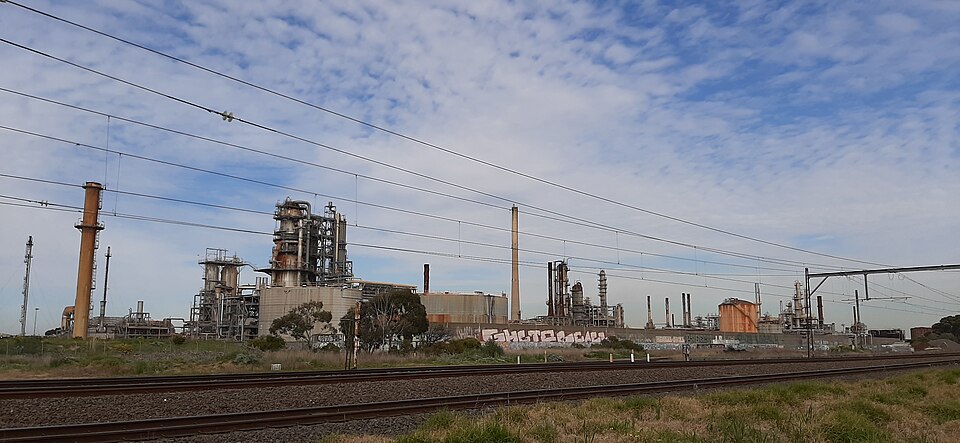
Ukrainian drones set fire to an oil refinery, fuel depots and a port in southern Russia on a Friday in July, local officials said, and residents had to be evacuated from affected areas. The strikes followed an admission by President Vladimir Putin that repeated attacks were causing fuel shortages across the country, DW reported.
In Krasnodar region, the Ilsky refinery caught fire after drone debris fell across the Severskaya district, including into the courtyard of a private home. The plant can process around 138,000 barrels of oil a day and has been targeted several times before. In neighboring Rostov region, Governor Yury Slyusar said on Telegram that firefighters were fighting blazes at two fuel depots in the Azov district and at the Taganrog sea port.
The Kyiv Post said early reports pointed to the Kurgannefteprodukt oil terminal in Taganrog, which loads and unloads petroleum products for sea-going vessels. Taganrog Mayor Svetlana Kambulova said residents were moved out of homes in the affected areas. A private house was damaged and the roof of an administrative building caught fire.
Russian authorities often blame such fires on debris from intercepted drones, while Ukrainian and independent accounts usually describe the same incidents as direct hits. Russia’s Defence Ministry said air defenses intercepted 376 Ukrainian drones overnight, some of them heading for the Moscow region.
What the campaign has cost
Repeated hits on refineries have contributed to fuel shortages, long lines at filling stations and higher prices, DW said. Putin said last month that a task force was working on the shortages, which he described as “not of a critical nature.” Kyiv calls the strikes retaliation for Russia’s near-daily attacks on Ukrainian civilians and energy infrastructure since the full-scale invasion in February 2022.
Figures published earlier by the National Security Journal give a sense of scale. It reported at least 158 Ukrainian strikes on Russian oil refineries since February 2022, hitting 24 of the 33 major refineries. Strikes on oil facilities in 2026 had already passed the total for all of 2024, it said.
Evgeny Borovikov, deputy CEO of the Russian insurance broker Mains, said direct damage to oil and gas infrastructure from drone attacks exceeded 100 billion rubles (around $1.1 billion). Counting lost production and secondary disruption, he put the total above 1 trillion rubles (approximately $13 billion).
The journal also cited OilX estimates that Russia’s average refining rate fell to 4.69 million barrels per day in April, the lowest level in more than 16 years. Kremlin spokesman Dmitry Peskov said there were no risks to fuel supplies. Moscow was nonetheless moving to ban exports of diesel and aviation fuel, the journal reported. It said the Syzran refinery, which handles about 170,000 barrels a day, had been shut down after a May 21 strike, according to the Ukrainian military.
Oil and gas taxes supply 25 percent of the Russian budget, the journal noted. President Volodymyr Zelenskyy said last week that “the key targets are Russian oil refineries, storage facilities, and other infrastructure tied to these oil revenues.”
Air defenses and airspace
The journal, citing United24, said drones destroyed more than 250 Russian air defense units in April, with up to 300 a month in February and March. It said that has let Ukraine hit deeper. In mid-May, Ukraine sent more than 600 drones against Moscow, with targets including the Moscow Oil Refinery and the Angstrem microelectronics plant in Zelenograd. The Institute for the Study of War reported that Russia would restrict civilian flights in the Moscow air zone from June 1, and that the Kaliningrad airport closed for a few hours on May 25 over a drone threat for the first time.
Sources
- It’s Official: Ukrainian Drones Have Now Hit 24 of Russia’s 33 Major Oil Refineries and Putin Lost Billions
- Ukrainian drone strikes ignite fires at Russian oil sites
- Ukrainian Drones Have Hit 24 of Russia’s 33 Major Oil Refineries Since 2022 and Are Now Costing Putin’s Government $100 Million Per Day




