Ukraine has opened a front aimed not at territory but at revenue: the tankers of Russia’s shadow fleet. The verified picture, assembled from Western reporting and Kyiv’s own security service, shows at least two oil carriers struck outside Russian waters, drones in the Black Sea and the Mediterranean, and a shipping company quitting Russian trade overnight. Early findings suggest the financial squeeze is real, though its full effect is still building.
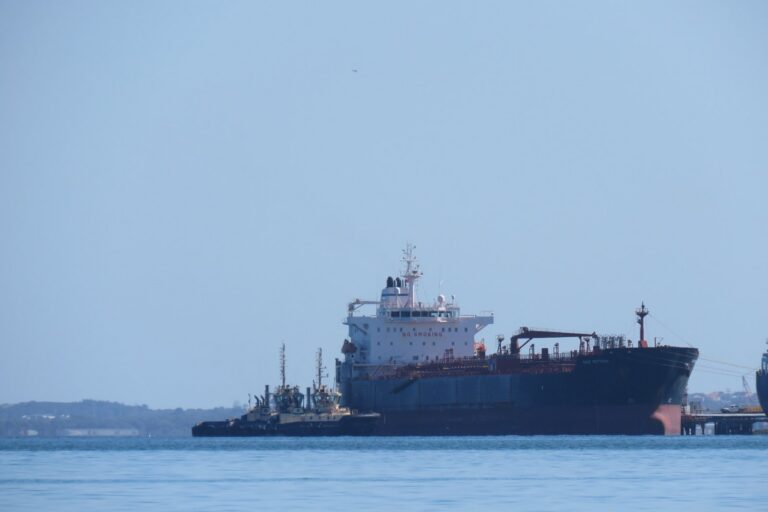
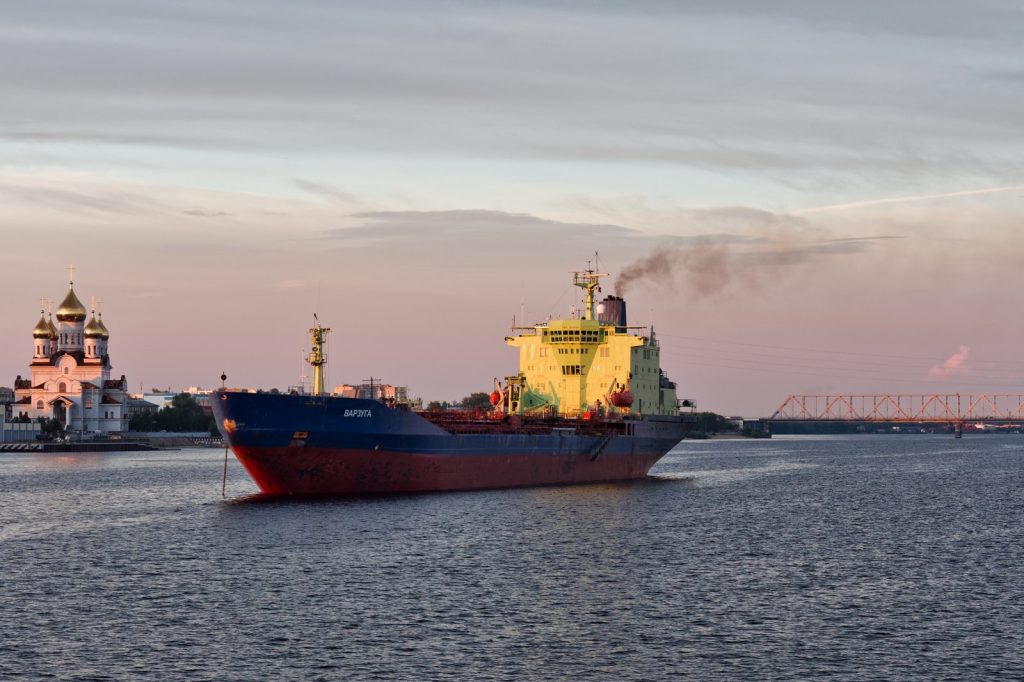
The fleet under pressure is large and aging. By this year Russian exports leaned on a tanker network of dubious origin numbering more than 600 hulls, most over fifteen years old. The EU’s 19th sanctions package, adopted in October 2025, added 117 vessels, bringing the EU total to 557; with Britain and the United States, more than 600 tankers are now listed. Washington and London also sanctioned Rosneft and Lukoil, which together produce more than half of Russian oil, and Indian refiners used a grace period to November 21, 2025 before cutting purchases. The Urals price slid from $45 a barrel in November 2025 to $35 by early January 2026, its discount to Brent stretching to $20-25.
The strikes came in sequence. In November 2025, Sea Baby surface drones of the SBU security service and the navy hit the tankers Kairos and Virat inside Türkiye’s exclusive economic zone as they headed for Novorossiysk under a false Gambian flag. “Sea Baby naval drones disabled ships that could transport oil worth almost $70 million and helped the Kremlin circumvent international sanctions”, an SBU source said. The Kairos later ran aground off Bulgaria without heat or electricity. A first long-range strike hit the Qendil near Crete in December 2025, more than 2,000 kilometers from Ukraine; the Elbus followed near the Turkish coast in January 2026. After explosions damaged the Mersin off Senegal, its manager Besiktas Shipping announced on December 3 it was ending all Russian-linked voyages, saying “the risks posed to our vessels and crew have become untenable.”
Enforcement is tightening alongside. Britain’s prime minister said in March 2026 he would intercept shadow tankers in British waters, though 98 sanctioned vessels still passed in the first month. US forces seized the Marinera in the North Atlantic in January, Belgian commandos backed by French helicopters took the Ethera in the North Sea in February, and Sweden detained the grain-carrying Caffa17 in March. Moscow’s answer, via Dmitry Peskov, was to call the boardings piracy.
The encouraging part for Kyiv: only 33 percent of Russian crude moved on coalition tankers in February 2026, against 56 percent on sanctioned ships, and revenue scenarios for the year span $46 billion to $146 billion. The caution: forecasts are not collections. The second half of this year is the test.