
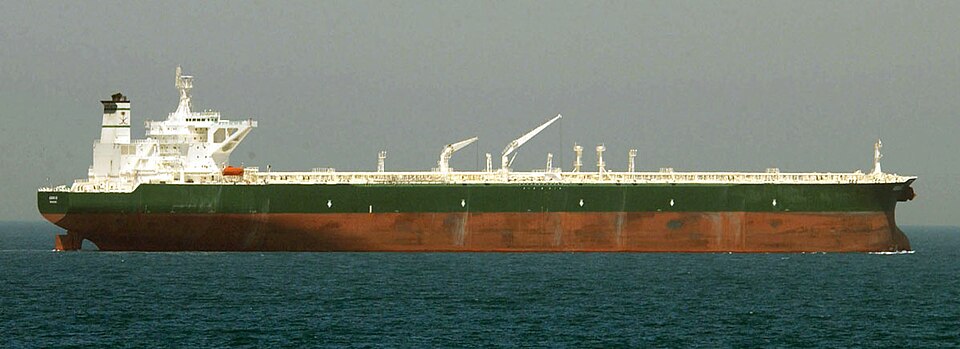
KYIV, July 8 — Ukraine’s military has struck nine tankers belonging to Russia’s so-called shadow fleet in a coordinated overnight operation, bringing the total number of such vessels hit in the past 72 hours to 19. The strikes, reported by Ukrainian officials, targeted ships moving Russian oil and petroleum products in violation of international sanctions.
The mechanics here are worth dissecting. The shadow fleet consists of aging, poorly maintained tankers that operate without standard insurance or registration. This setup allows Russia to evade the price cap imposed by the G7 and the European Union in December 2022. That cap, set at $60 per barrel for Russian crude oil, was designed to reduce Moscow’s revenue from oil exports while keeping global supply steady. The catch is that without enforcement, the cap becomes a paper tiger. Ukraine’s campaign is attempting to supply that enforcement.
According to the Kyiv School of Economics, as of early 2024 the shadow fleet comprised approximately 600 vessels, responsible for moving about 1.7 million barrels of oil per day. That is a substantial share of Russia’s export capacity, and it operates largely outside the visibility of Western regulators. The overnight operation used unmanned surface drones and long-range missiles, according to Ukrainian military sources. The targets included ports and infrastructure in the Black Sea and the Sea of Azov, with facilities in Novorossiysk — a key Russian oil export hub — among those hit.
Follow the money: the cumulative effect of these strikes is expected to disrupt Russia’s oil export capacity, potentially reducing its daily export volume by 200,000 to 300,000 barrels, according to analysts at the International Energy Agency. That is a meaningful dent in a revenue stream that funds Moscow’s war effort. On closer reading of the numbers, 19 tankers struck in 72 hours suggests a deliberate escalation in tempo and scale. Ukraine’s broader campaign, which has included attacks on refineries and storage depots since early 2024, is clearly aimed at degrading Russia’s war-fighting capability by targeting the financial pipeline that sustains it.
The Shadow Fleet’s Role in Sanctions Evasion
The shadow fleet is not a new phenomenon, but its scale has grown sharply since the G7 price cap took effect. The fleet’s vessels typically fly flags of convenience, change ownership frequently, and operate without the standard insurance that would expose them to Western legal scrutiny. This makes them difficult to track and even harder to interdict through conventional sanctions enforcement. The fleet’s ability to move oil outside the price cap mechanism has been a persistent frustration for Western policymakers, who have struggled to close the loophole without disrupting global oil markets.
Ukraine’s strikes represent a direct, kinetic approach to a problem that has largely been addressed through legal and financial measures. The use of unmanned surface drones and long-range missiles allows Ukraine to target vessels at port or at sea, without putting its own forces at risk. The strikes on Novorossiysk are particularly significant, as the port handles a large volume of Russia’s crude oil exports. Disrupting operations there could force Russia to reroute shipments through less efficient or more vulnerable channels.
What to Watch Next
The key question is whether Ukraine can sustain this pace of strikes. The shadow fleet’s size — around 600 vessels — means that even a successful campaign of 19 hits in three days represents a small fraction of the total. However, the impact on Russia’s export capacity is not simply a matter of counting ships sunk or damaged. Each strike forces Russia to reroute cargoes, find new vessels, and absorb higher insurance and operational costs. The cumulative effect could be a gradual erosion of Russia’s ability to export oil at the volumes needed to sustain its war budget.
The International Energy Agency’s estimate of a 200,000 to 300,000 barrel per day reduction is significant, but it depends on Ukraine maintaining the operational tempo. Russia will likely respond by dispersing its fleet, using naval escorts, or shifting export routes further from Ukrainian strike range. The Black Sea and Sea of Azov are constrained bodies of water, however, and Russia’s options for avoiding attack are limited.
The broader context is that Ukraine’s campaign against Russia’s energy infrastructure is not new — it has been hitting refineries and storage depots since early 2024. The shift to targeting tankers at sea marks an escalation in both method and ambition. If Ukraine can demonstrate that the shadow fleet is vulnerable, it may force Russia to reconsider how it moves its oil, and at what cost. For now, the strikes continue, and the shadow fleet’s ability to operate with impunity is facing its most direct challenge yet.




