
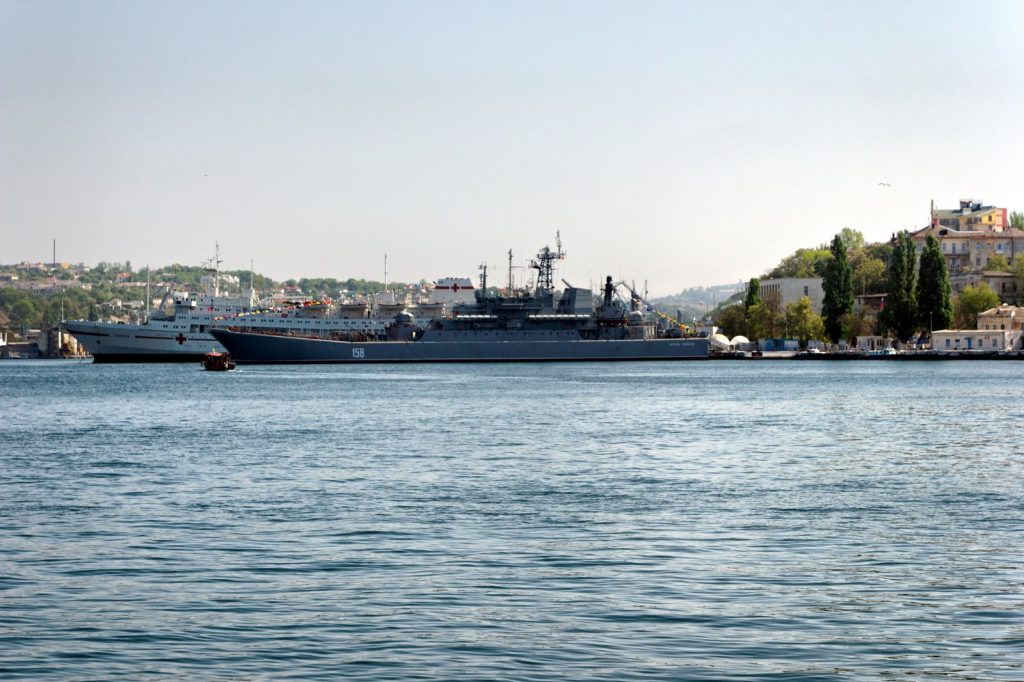
SEVASTOPOL, Crimea — Ukrainian forces struck 21 Russian naval vessels over a 72-hour period in early February 2024, using a combination of uncrewed surface drones and missiles, according to official statements from both sides. The attacks, which occurred from February 6 to 8, targeted ships at berth in the port of Sevastopol and vessels at sea near the Kerch Strait. Ukraine’s military intelligence directorate, known as HUR, and its navy coordinated the strikes, damaging or destroying ships from Russia’s Black Sea Fleet.
The Black Sea Fleet has lost at least 20 ships since the full-scale invasion began in February 2022. The February 2024 wave of attacks included the sinking of the landing ship *Caesar Kunikov* on February 7. Ukrainian officials stated the goal is to degrade Russia’s ability to project power in the Black Sea and threaten Ukraine’s grain exports. Russia’s Defense Ministry confirmed the attacks but claimed most drones were intercepted.
Strategic Context and Escalation
The strikes represent a significant escalation in Ukraine’s naval drone warfare, which began in September 2023 with attacks on the Black Sea Fleet headquarters. The fleet, based in Sevastopol since 1783, has faced sustained pressure from Ukrainian unmanned surface vessels and missile systems. The coordinated nature of the February 2024 operation, combining drones and missiles over several days, marks a tactical shift from earlier, more limited engagements.
Ukrainian military planners have focused on attritional warfare against the fleet, targeting both amphibious landing ships and patrol boats. The sinking of the *Caesar Kunikov*, a Ropucha-class landing ship, removed a key asset for any potential amphibious operations. Ukraine’s HUR stated the operation was designed to limit Russia’s capacity to interdict commercial shipping and threaten Ukraine’s agricultural exports, a critical economic lifeline for Kyiv.
Russia’s Defense Ministry acknowledged the attacks but provided a different assessment of the outcome. Officials confirmed that Ukrainian forces had launched multiple strikes but asserted that air defense systems and electronic warfare measures intercepted the majority of incoming drones. The ministry did not provide a detailed accounting of damage to individual vessels.
Fleet Disposition and Relocation
The Black Sea Fleet’s remaining major combatants include cruisers, destroyers, and submarines. However, many of these vessels have been relocated to Novorossiysk, a Russian port on the eastern coast of the Black Sea, since October 2023. The move to Novorossiysk, which sits in Russia’s Krasnodar Krai, offers greater protection from Ukrainian drone attacks than the exposed anchorage at Sevastopol. The port of Novorossiysk is also a major hub for Russian grain exports and naval logistics.
The relocation reflects a broader Russian assessment of the threat environment. Sevastopol, the fleet’s historic home port, has become a high-risk operating area due to the persistent Ukrainian drone and missile threat. The shift to Novorossiysk, while safer, reduces the fleet’s forward presence near Ukraine’s coast and complicates resupply and repair operations.
Operational Implications
The February 2024 strikes underscore the evolving nature of naval warfare in the Black Sea. Ukraine’s use of uncrewed surface drones, deployed in coordinated waves with missile strikes, represents a new operational paradigm. The drones, which are relatively inexpensive compared to the warships they target, have proven effective at penetrating harbor defenses and striking vessels at berth.
The attacks on the *Caesar Kunikov* and other vessels also highlight the vulnerability of amphibious shipping. Landing ships, designed to beach themselves and offload troops and equipment, are particularly exposed when stationary in port. The loss of such vessels degrades Russia’s ability to conduct amphibious assaults, a capability that has been a persistent concern for Ukraine’s coastal defense planners.
Grain Corridor and Maritime Security
Ukrainian officials have explicitly linked the naval drone campaign to the protection of grain exports. Since the collapse of the Black Sea Grain Initiative in July 2023, Ukraine has relied on a unilateral shipping corridor hugging its western coastline. Russian naval patrols have periodically threatened this corridor, and the February 2024 strikes were aimed at reducing that threat.
The degradation of the Black Sea Fleet has practical consequences for maritime security. With fewer operational warships, Russia’s ability to enforce a blockade or interdict commercial shipping is diminished. However, the fleet retains significant strike capability from its remaining cruisers, destroyers, and submarines, particularly those relocated to Novorossiysk.
What to Watch Next
The sustained Ukrainian campaign against the Black Sea Fleet is likely to continue, with further drone and missile strikes expected against both Sevastopol and Novorossiysk. Russia’s response will probably involve enhanced air defense coverage for its naval bases and increased electronic warfare to counter Ukrainian drones. The relocation of major combatants to Novorossiysk may reduce their vulnerability, but the port itself is not immune to attack.
The strategic balance in the Black Sea remains in flux. Ukraine’s ability to threaten Russia’s naval assets has forced a defensive posture on the Black Sea Fleet, limiting its offensive operations. The coming months will test whether Russia can adapt its tactics to protect its remaining warships or whether Ukraine’s drone campaign will continue to erode that naval power.




