
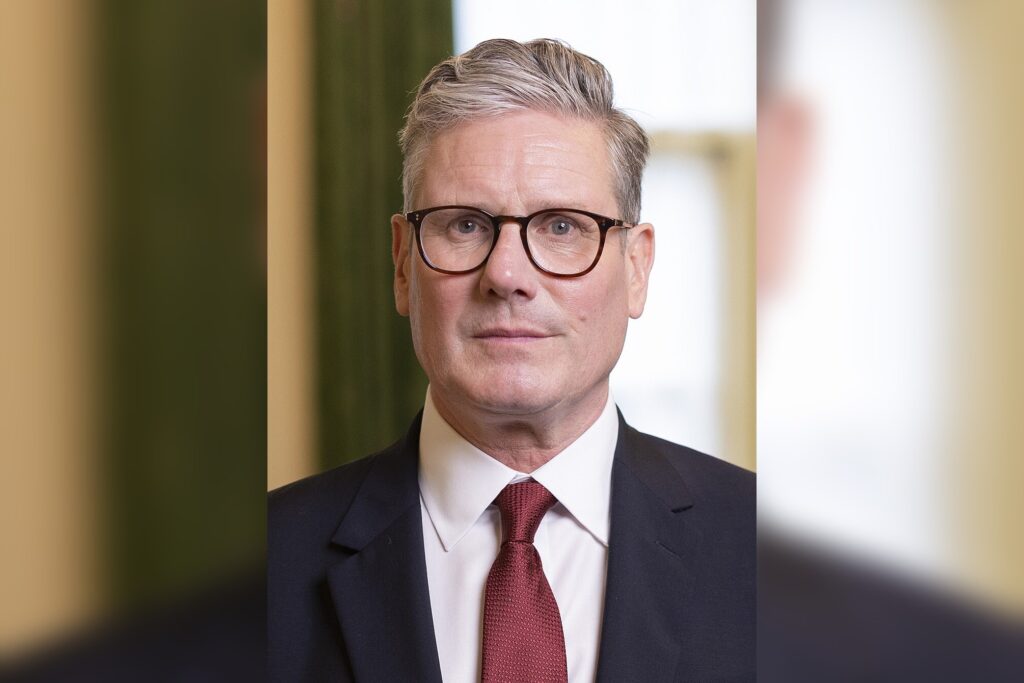
Protesters near Whitehall played Beethoven’s “Ode to Joy,” the anthem of the European Union, as Keir Starmer stood outside 10 Downing Street with tears in his eyes and announced his resignation. The date was June 22, a day short of ten years since Britain voted to leave the EU.
Starmer is the sixth prime minister to go since the June 23, 2016 referendum. The Hindustan Times described that rate of turnover as the highest in almost two centuries of British history. Andy Burnham, the former Greater Manchester mayor, is poised to be the seventh.
Six exits in ten years
David Cameron called the referendum and resigned the morning after losing it. Theresa May left in 2019 when she could not get her Brexit deal through Parliament. Boris Johnson was pushed out by his own party in 2022 after ethics scandals. Liz Truss lasted 49 days, the shortest stint on record, after her budget rattled financial markets. Rishi Sunak lost the 2024 general election to Labour. Starmer has now gone in under two years.
Historian Anthony Seldon told Reuters that if Burnham fails, “the outlook for Britain is bleak.” He called the country’s position “a very deep hole.”
Brexit is not the only cause. Jill Rutter, a senior fellow at the Institute for Government and a former Treasury official, told Reuters the instability began with the 2008 financial crisis. “There has just been a general sense that we don’t see our lives getting better and we don’t see the lives of our children getting better,” she said. Chris Grey, an academic who has studied the fallout, told AP that a “subterranean trace of Brexit” still runs through British politics.
What Brexit delivered
Voters were promised control over laws, control over immigration and freedom to strike trade deals. The Office for Budget Responsibility now estimates productivity is about 4% lower than it would have been inside the EU, roughly £100 billion a year. The National Bureau of Economic Research puts the damage at 6-8% of GDP, with business investment down between 12% and 18%.
Immigration drove the Leave vote more than any other issue. EU arrivals ran at over 200,000 a year around the time of the referendum. Net migration did not fall after Brexit. It rose to about 944,000 in the year to March 2023, a record, mostly from outside the EU, before dropping to 171,000 for the year ending December 2025 after repeated visa tightening under both Conservative and Labour governments. The Migration Observatory at Oxford noted that “the composition is now quite different,” with a larger share coming through the asylum system.
That argument has fed Reform UK. AFP reported the party won nearly 1,500 council seats in the May 2026 local elections, many in former Labour strongholds.
An Ipsos survey found 52% of Britons would now rejoin the EU, against 33% who want to stay out, according to AP. Neither Starmer nor Burnham has proposed reversing Brexit.
What broke Starmer
Labour won in July 2024, its first victory in 14 years. Starmer inherited borrowing of 5% of GDP, debt near 100% of output and NHS waiting lists of 7.8 million people. His first budget raised £40 billion in tax, £25 billion of it from higher employers’ national insurance, which AFP said angered businesses and pushed up inflation.
Then came the scandal over his appointment of Peter Mandelson as ambassador to Washington, despite Mandelson’s known ties to the convicted sex offender Jeffrey Epstein. Approval ratings fell to record lows. Analyst John Harris said Starmer’s core failure was “a painful lack of clarity… on who he was and what he stood for.”
Burnham’s path
Burnham, 56, won last week’s Makerfield by-election with nearly 55% of the vote, beating Reform UK’s candidate in a seat the party had targeted. Labour MP Josh Simons had vacated it to let him back into Parliament. Wes Streeting, a possible rival who stood aside, said Burnham could win “the fight of our lives against the forces of nationalism.”
Burnham once criticised Brexit and called for rejoining the EU. AP noted that his position has since narrowed, and he has ruled out an imminent return. Olivia O’Sullivan of Chatham House said Labour sees him as best placed to beat Reform, but “this is not the same thing as offering a radically different set of policies.”
Hannah White, director of the Institute for Government, said politicians have not been honest that no government can promise no tax rises, no extra debt and better public services all at once. “And so people are disappointed,” she said.
Nominations to replace Starmer open on July 9 and close on July 16, and any contest must be decided by September 1. If Burnham is unopposed, he could be prime minister as soon as July 17.




