
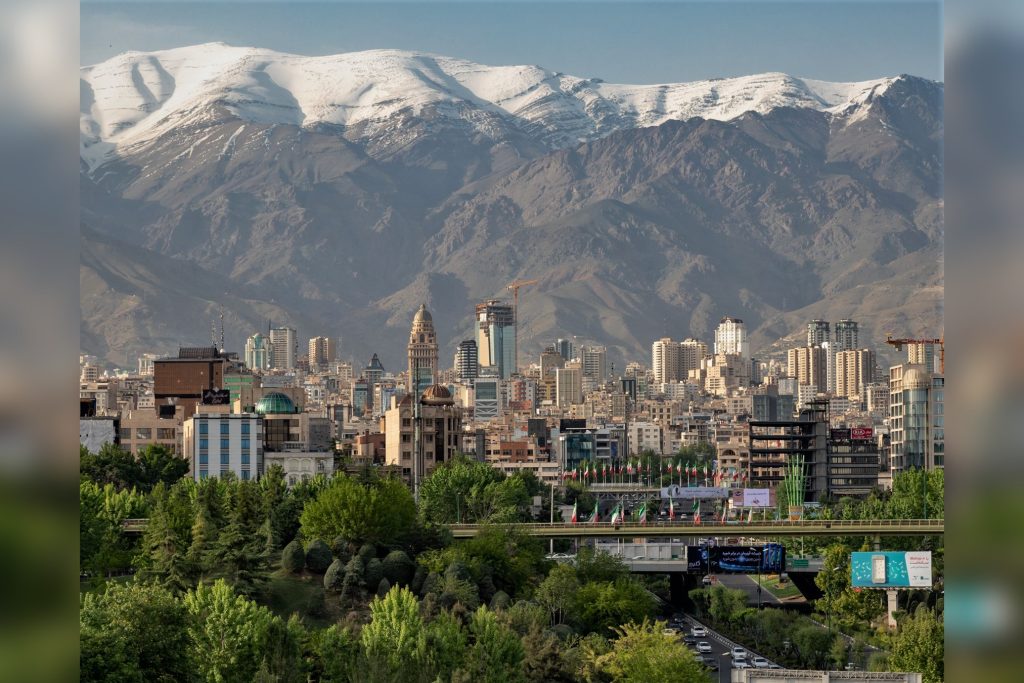
TEHRAN, July 7 — The waters of the Strait of Hormuz have seen decades of tension, but the attacks in 2025 mark a dangerous new chapter. For the first time, the conflict has moved beyond military skirmishes and directly targeted commercial shipping in a way that has drawn sharp condemnation from the United States and its allies. The roots of this confrontation run deep.
U.S.-Iran tensions in the strait date back to the Iran-Iraq War, from 1980 to 1988, when Iran attacked oil tankers to disrupt Iraqi exports. In response, the U.S. Navy launched Operation Earnest Will from 1987 to 1988, reflagging and escorting Kuwaiti tankers through the perilous waters.
That era saw one of the worst tragedies of the conflict: in 1988, the USS Vincennes mistakenly shot down Iran Air Flight 655, killing 290 civilians. The human cost of that error still echoes in the region.
A History of Threats and Escalation
In 2012, Iran threatened to close the strait entirely in response to U.S. and EU sanctions targeting its oil exports. The threat was a reminder of how quickly the waterway—through which a significant portion of the world’s oil passes—can become a flashpoint. By 2019, after the U.S. withdrawal from the Joint Comprehensive Plan of Action, the nuclear deal known as the JCPOA, Iran attacked oil tankers and shot down a U.S. drone.
The U.S. responded with Operation Sentinel, a multinational maritime security initiative designed to keep the strait open. The pattern continued into 2021, when Iran seized the tanker MT Mercer Street, an attack that killed a British and a Romanian crew member.
Each incident ratcheted up the stakes, but the 2025 attacks represent a significant escalation. They are the first direct assaults on commercial vessels, moving beyond the harassment of tankers or the seizure of ships to outright strikes on civilian maritime traffic. The U.S. has maintained sanctions under the current administration, while Iran has enriched uranium to 60% purity—close to weapons-grade material.
The Islamic Revolutionary Guard Corps, or IRGC, has been designated a terrorist organization by the U.S. since 2019, a move that further hardened the lines between the two nations.
What Comes Next
For those watching the region, the question is how far this escalation will go. The Biden administration has kept sanctions in place, but the direct attacks on commercial vessels have raised the stakes for international response. The Strait of Hormuz remains a choke point for global energy supplies, and any sustained disruption would have immediate consequences for oil markets and the economies that depend on them.
The U.S. has not announced a new military operation in the wake of the 2025 attacks, but the precedent of Operation Sentinel suggests that a multinational response could be forthcoming. For now, the families of the crew members on the targeted vessels, and the shipping companies that ply these waters, are left to wonder if the strait can ever be a safe passage again.




