
KYIV, July 7 — The shift is subtle but unmistakable: Ukraine’s intelligence arm is no longer just gathering secrets. It is now a primary architect of long-range drone warfare, reaching deep into Russian territory. The Main Directorate of Intelligence, known by its Ukrainian acronym HUR, has been quietly reshaping how this war is fought from the shadows.
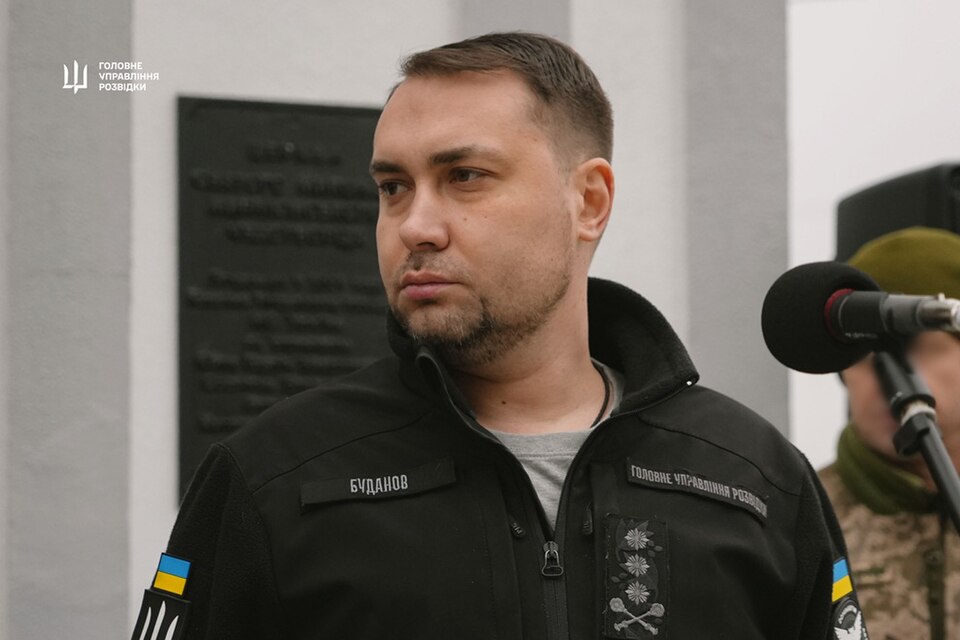
Under Lieutenant General Kyrylo Budanov, who took the helm in August 2020, HUR has moved from traditional espionage to actively orchestrating drone strikes behind enemy lines. Budanov is the face of this transformation.
He has overseen a growing portfolio of covert operations that blur the line between intelligence gathering and kinetic action. His agency confirmed responsibility for the January 25, 2024 attack on the Omsk refinery, a facility deep inside Russia. That strike was a signature moment — a signal that Ukraine could reach strategic industrial targets far from the front lines.
What’s changing is the organizational structure underneath. HUR now runs specialized drone units dedicated to deep-strike missions.
The ‘Kryla’ unit — Ukrainian for “Wings” — is one of these, tasked with penetrating Russian airspace to hit targets that matter. These units do not operate in isolation. They coordinate with the Ukrainian Air Force and private drone manufacturers, creating a hybrid military-civilian pipeline for drone production and deployment.
Colonel Vadym Skibitsky, deputy head of HUR, has briefed on these drone operations, providing rare public insight into how the agency plans and executes its long-range missions. His briefings offer a window into an intelligence service that is increasingly operating as a strike force, not just a listening post. The logistical backbone comes from Ukraine’s State Special Communications Service, which has facilitated drone production.
This is not a cottage industry of hobbyist drones strapped with grenades. The coordination between state intelligence, the air force, and private manufacturers points to a systematized approach — one that treats drones as a core weapon system, not an experimental side project.
Watch this space. The trend underneath is clear: HUR is building a permanent capability for deep-strike warfare that will outlast any single battle or ceasefire. Budanov’s agency is learning, iterating, and scaling.
For Russia, that means no refinery, no logistics hub, no command post inside its own borders is truly safe. For Ukraine, it means the war is no longer confined to the trenches of the east.
It is being fought in the boardrooms of Russian industry, in the fuel depots that power its army, and in the minds of its strategic planners. The question now is not whether HUR can strike deep — it has proven it can. The question is how far this capability will expand, and what targets will be next.




