
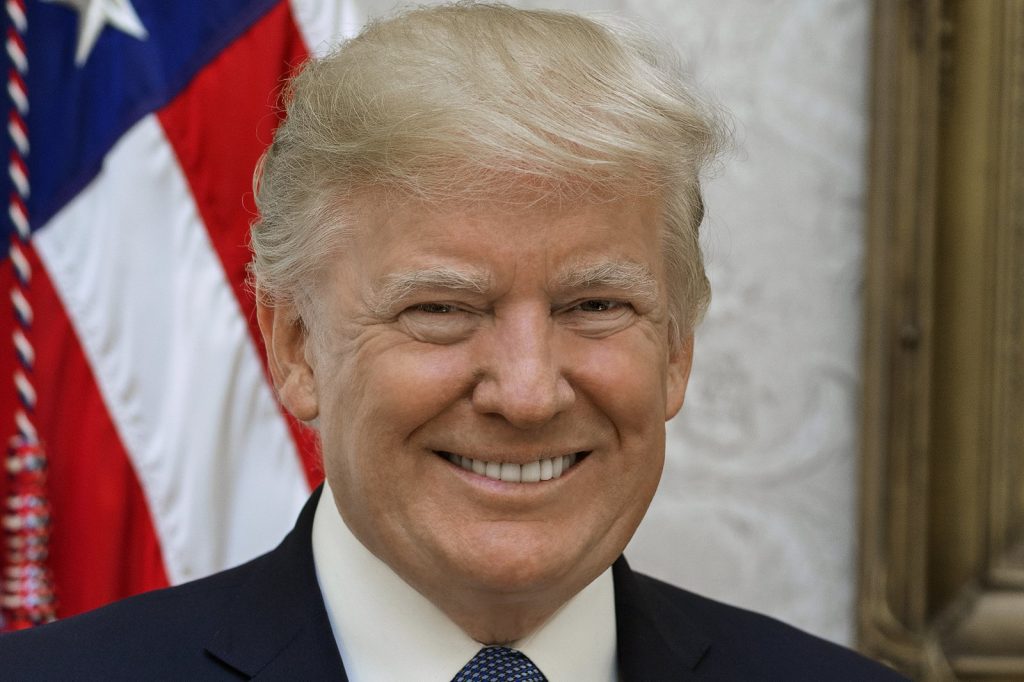
“Oil smuggling, swap lines, cash transfers, exchange houses, ship registries, front companies — It all needs to stop NOW.” That was President Donald Trump on Truth Social on Wednesday, in a post that declared an “ECONOMIC D-DAY” against Iran.
The warning that followed was aimed at third countries. Any nation that lets its “financial institutions, businesses, airports or government entities” give Iran a lifeline, Trump wrote, “will itself face TREMENDOUS economic consequences.” He called Iran’s leaders “maniacs” who are “on the ropes” and said the measures would cripple their ability to project terror worldwide.
What the post did not contain was detail. According to the Times of Israel, the administration laid out no specific measures, and Trump named no country that would be punished for continuing to trade with Tehran.
A war in its sixth month
The threat landed as the conflict approached the six-month mark with no diplomatic resolution. It began on February 28 with U.S.-Israeli strikes on Iran, and Iran answered with missiles and drones. The Strait of Hormuz is still badly disrupted. U.S. forces have been escorting 15 to 20 ships through it each night in recent weeks, the Times of Israel reported, and the Pentagon has run a separate effort called “Operation Economic Fury” to cut off Iranian funding through targeted sanctions.
Treasury Secretary Scott Bessent had earlier described economic isolation as one half of a two-part approach, the other being a naval blockade. The UAE, long a major trading partner for Iran, said it was suspending all economic dealings after reporting that ballistic missiles had been fired at it.
Trump’s own signals were mixed. On Tuesday he said he had no interest in talks with Iran. By Wednesday he was hinting he might reopen negotiations. With November elections close, he is also under pressure at home over what the war costs consumers.
The China problem
Gulf News, writing five days later, argued the plan runs into one large obstacle. China bought over 80 percent of Iran’s oil exports in 2025, and some estimates put its share near 90 percent. Bessent said “no one is above the reach of US sanctions” but did not mention China, pointing instead to “quiet diplomacy.”
The timing is awkward. Chinese President Xi Jinping is due in Washington next month on his first state visit in more than ten years. Peter Harrell, a sanctions expert at Georgetown Law School, said of the choice facing Trump: “This will be tricky.” China’s Foreign Ministry spokesman Lin Jian rejected the latest ultimatum, saying “sanctions and pressure would not resolve the crisis.”
Chinese purchases have already fallen since the fighting started, from approximately 1.4 million barrels daily to roughly 700,000. Squeezing harder carries a price at the pump. American drivers pay about $4.10 per gallon now, against $3.15 a year ago. And sanctioned crude increasingly travels through shadow fleets: the tracking firm Kpler estimates that such vessels made up around half of recent Hormuz transits, up from 12.5 percent earlier.
Sources
- Declaring 'economic D-Day,' Trump says any country trading with Iran will be sanctioned
- Trump's 'economic D-Day' to strangle Iran's economy: But first he must take on China




