
Few running stories in European security have moved as slowly, or as far, as Ukraine’s relationship with NATO. The shift is best read as a timeline: a promise in 2008, a constitution amended in 2019, a wartime application in 2022, a new formula in 2023, and by late 2025 a capital still refusing to write the ambition out of its basic law. The door stays closed. What is changing is everything around it.
The modern chapter opened in Bucharest in April 2008. In one paragraph of the summit declaration, allied leaders welcomed Ukraine’s Euro-Atlantic aspirations and agreed that “these countries will become members of NATO”, calling the Membership Action Plan the next step on the direct way to membership. No date was attached, and none has arrived since. The same paragraph covered Georgia. Both countries left the Romanian capital with a promise and no timetable, and that gap has shaped the debate ever since.
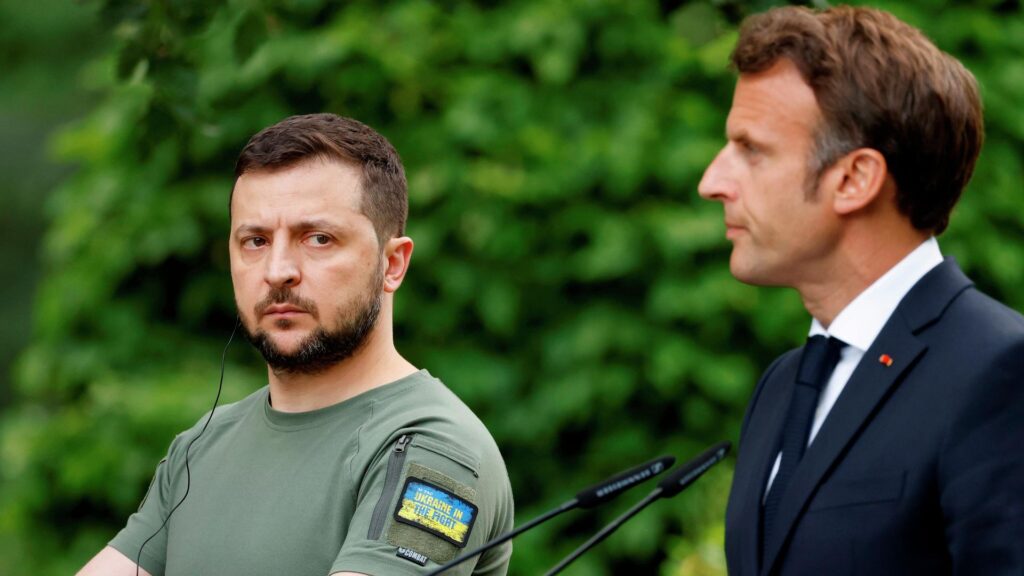
Kyiv then wrote the goal into its basic law. In February 2019 the Verkhovna Rada approved constitutional amendments fixing the pursuit of EU and NATO membership in the constitution, with 334 of 385 registered deputies voting yes. War compressed the timeline. On September 30, 2022, after Moscow staged ceremonies proclaiming the annexation of four Ukrainian regions, President Volodymyr Zelenskiy appeared in combat fatigues to sign a bid for accelerated accession. “We are taking our decisive step by signing Ukraine’s application for accelerated accession to NATO”, he said, adding that Kyiv stood ready for talks “with another president of Russia”.
The alliance updated the formula rather than the promise. At the Vilnius summit on July 11, 2023, leaders reaffirmed the Bucharest commitment, declared that “Ukraine’s future is in NATO”, said the country’s path had moved beyond the Membership Action Plan, and set up a NATO-Ukraine Council, described in the communiqué as “a new joint body where Allies and Ukraine sit as equal members”. The condition sat in the closing line: an invitation would come “when Allies agree and conditions are met”. No timeline, no defined conditions, and the 1997 Charter on a Distinctive Partnership still underneath. What’s changing is the machinery of integration, not the promise itself.
The trend underneath the diplomacy is the hardening. In Brussels on December 18, 2025, Zelenskiy defended the constitutional clause in blunt terms: the constitution “is up to the Ukrainian people to decide what to do with it, not anyone else”, and Ukraine wanted the security guarantees of membership because it believes it deserves them. He acknowledged that Washington has consistently opposed Ukrainian membership while offering guarantees outside the alliance, yet argued that “a strong Ukrainian army strengthens NATO rather than the other way around” and that “doors that are closed today may open tomorrow”. Nearly two decades after Bucharest, the promise, the application and the constitutional clause all still stand. So does the waiting. Watch this space.
Sources
- Ukraine applies for NATO membership, rules out Putin talks | Reuters
- Ukraine applies for NATO membership on an accelerated path
- Bucharest Summit Declaration (official NATO text)
- Ukrainian parliament approves constitutional amendments to affirm EU and NATO aspirations | ConstitutionNet (reposting UNIAN report)
- Ukraine to be invited to join NATO when Allies agree, conditions are met – NATO Vilnius Summit Communiqué | Euromaidan Press (excerpts of the official communiqué)
- Zelensky: We will not remove course toward NATO membership from Constitution | Ukrinform (Ukrainian National News Agency)




