
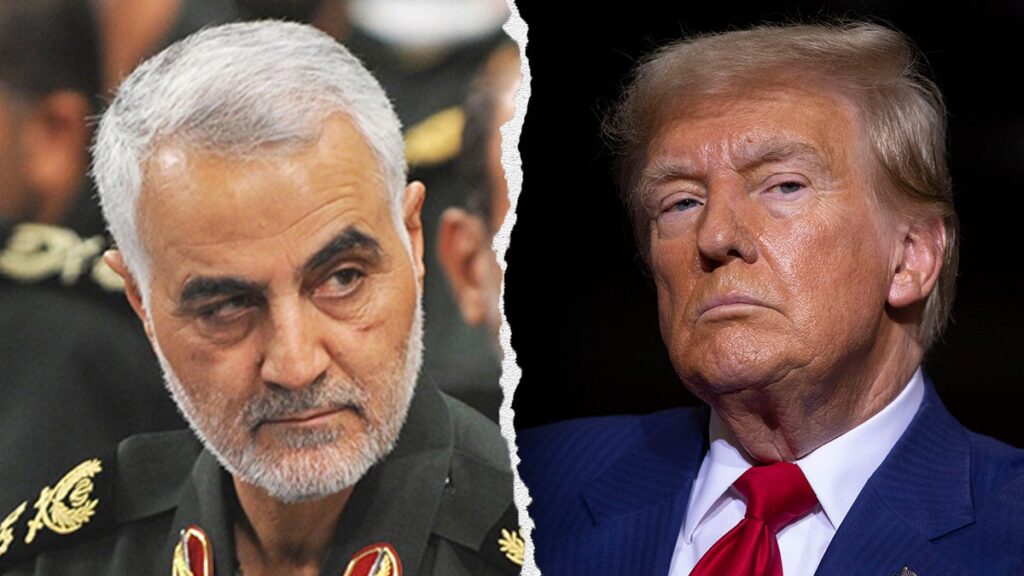
Two cars rolled away from a cargo area at Baghdad airport in the early hours of Friday, January 3, 2020. Then missiles from a US drone hit them. At least seven people died, and one of them was Qasem Soleimani, the 62-year-old who ran Iran’s elite Quds Force.
President Donald Trump had ordered the strike. He was at his Florida base when it happened, and soon afterward he tweeted a picture of the Stars and Stripes. Later he said the general had “killed or badly wounded thousands of Americans” and “should have been taken out many years ago.”
Why Washington said it acted
A Pentagon statement said Soleimani had been “developing plans to attack American diplomats and service members in Iraq and throughout the region.” It described the strike as a “decisive defensive action” meant to deter future Iranian attack plans. The BBC noted that the US treats the commander and his unit as terrorists, blaming them for hundreds of American deaths.
Soleimani had spent years building up Hezbollah in Lebanon, expanding Iran’s military reach in Iraq and Syria, and steering Syria’s offensive against rebels in its civil war. Many saw him as ranking just under Ayatollah Ali Khamenei in power.
Who else died
The Revolutionary Guards said Abu Mahdi al-Muhandis was killed too. He led the Iran-backed Kataib Hezbollah, which the US blamed for killing an American contractor with rockets in northern Iraq a week earlier, and he effectively ran the Popular Mobilisation umbrella of Iraqi militias. Most of the dead belonged to that organisation. The dead also included Soleimani’s son-in-law and a Lebanese Hezbollah member.
Iran’s response
Khamenei promised “severe revenge” for the “criminals” behind it and declared three days of national mourning. President Hassan Rouhani vowed there would be consequences, and Foreign Minister Javad Zarif called the killing an “act of state terrorism”. Iran’s National Security Council held an emergency meeting, and by Al Jazeera’s account Khamenei took part for the first time ever.
The supreme leader quickly picked Esmail Qaani, a brigadier general, to take over the Quds Force. State television gave almost all its airtime to Soleimani. Presenters wore black, comedy films were pulled from cinemas and concerts were suspended. Ali Akbar Dareini, an expert at the Center for Strategic Studies in Tehran, said the assassination had “definitely enraged a majority of Iranians, irrespective of political beliefs.”
Markets flinched as well. Global oil prices climbed by more than 4% after the attack. Al Jazeera described the strike as a sharp escalation in a standoff that had grown since Trump pulled out of the nuclear deal and imposed sanctions.
Sources
- Qasem Soleimani: US kills top Iranian general in Baghdad air strike (BBC News)
- Iran in mourning, vows revenge for Qassem Soleimani's killing (Al Jazeera)




