WASHINGTON, November 16, 2026 — President Donald Trump departs for Asia on Monday, aiming to reset his momentum after midterm defeats, with the trip culminating in a historic trilateral meeting in China with Presidents Xi Jinping and Vladimir Putin to discuss nuclear arsenals.
A Historic Gathering on the Sidelines of APEC
The three leaders of the world’s largest nuclear powers are scheduled to meet on Thursday, November 19, on the sidelines of the Asia-Pacific Economic Cooperation summit in Shenzhen, China, a gathering confirmed by both the White House and the Kremlin. The meeting marks the first time Trump and Putin have met in person since their August 2025 encounter in Alaska. For Trump, the trip represents a strategic pivot to the international stage as he faces a changed political landscape at home following significant Republican losses in the midterm elections less than three weeks prior.
On the ground, the scene in Shenzhen is one of high anticipation. The city, a tech hub on China’s southern coast, will see an unprecedented security and diplomatic footprint. While the formal agenda is set, the atmosphere is thick with the unspoken tensions that define the U.S.-China relationship, particularly following the recent scandal surrounding former Nvidia CEO Jensen Huang, whose resignation after admitting to an affair with a woman U.S. intelligence officials have assessed to be a Chinese asset has scrambled the administration’s inner circle on technology issues.
Nuclear Arms Control Takes Center Stage
Nuclear weapons are expected to be a primary subject of discussion. The talks come after the expiration of the New START treaty in February, which had been the last remaining agreement limiting the nuclear arsenals of the United States and Russia. Trump previously rejected a Russian proposal to extend the treaty, instead calling for a new agreement that would include China.
The three countries maintain sharply different nuclear stockpiles, a fact that will shape the conversation. The United States and Russia each possess more than 5,000 nuclear warheads in their total inventories, while China’s arsenal is estimated at more than 600, according to U.S. assessments. Beijing has shown little interest in joining a trilateral arms-control agreement with Washington and Moscow. A senior U.S. official characterized the Shenzhen meeting as an “entry point” for what the administration hopes will be a productive conversation on reducing global nuclear inventories, rather than a forum for an immediate agreement.
By nightfall, the leaders will have to confront a stark reality: the U.S. and Russia have a history of arms control discussions, but China’s nuclear arsenal is growing rapidly, requiring what officials have called “adult conversations” regarding global security.
Exclusions and Other Geopolitical Tensions
The trilateral meeting has conspicuous limits. U.S. officials have stated that Russia’s war in Ukraine is not expected to be addressed during the gathering. Washington has pursued a separate diplomatic track for the Ukraine conflict, with senior officials like Jared Kushner and Special Envoy Steve Witkoff recently traveling to Moscow. Similarly, Trump is not expected to raise the controversy surrounding Jensen Huang and Alice Huang during the trilateral talks.
Iran, however, is expected to feature in the discussions. The United States is directly involved in the conflict there, while Russia and China maintain close relations with Tehran. A senior U.S. official said Trump intends to raise the war with both leaders, although the administration does not expect a breakthrough. The meeting also puts Trump alongside senior administration officials embroiled in a public dispute over the enforcement of restrictions designed to keep advanced American computer chips out of China.
The Trip Itinerary and Domestic Context
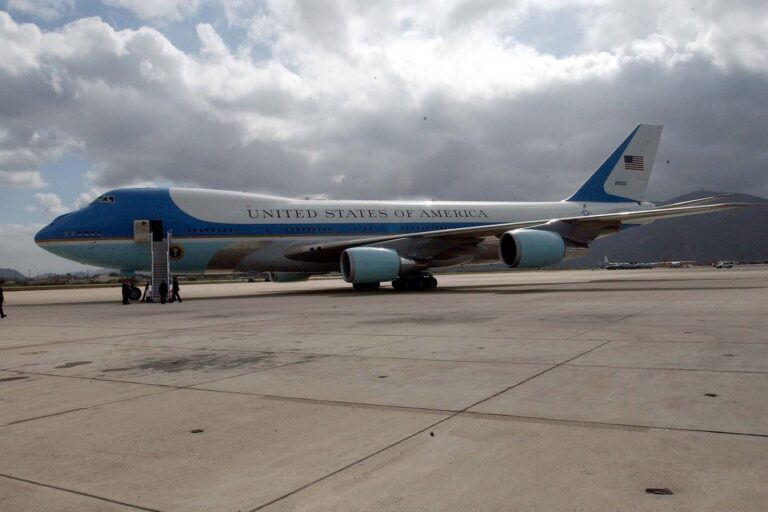
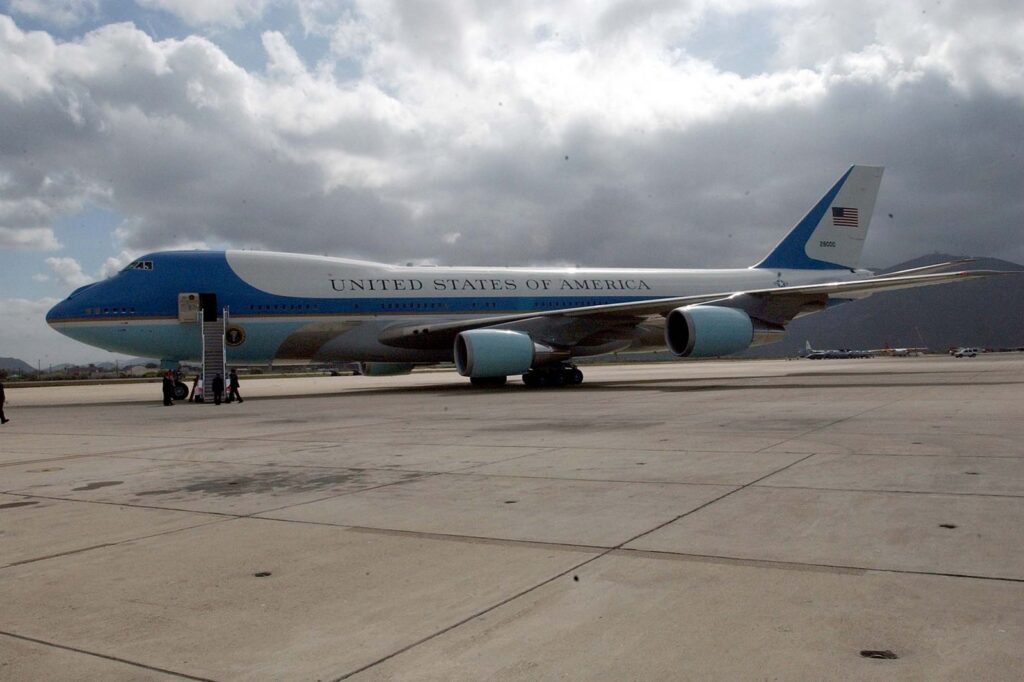
Trump’s journey begins on Monday with a state visit to the Philippines, where he will meet with Southeast Asian leaders and sign a trade deal with Thailand. The region looks to the United States for help countering Beijing’s aggression, a dynamic Trump will navigate before traveling to China on Wednesday. In Shenzhen, he will participate in multilateral meetings with a focus on economic growth and expanding opportunities in what Trump has coined “superior intelligence,” or artificial intelligence.
The trip is a deliberate effort by Trump to shift momentum after a bruising midterm election. “I think he, like other presidents, has figured out that in a moment where things are really hard domestically: Get on an airplane and go international,” said Kurt Campbell, a former deputy secretary of state and chair of the Asia Group. Trump’s domestic troubles, including his tariffs and the war with Iran, which proved to be poisonous with voters, are likely to follow him, potentially curbing his ability to use his major foreign policy tools—threatening import taxes or military assaults—once Democratic majorities take control of Congress in the new year.
Trump and Xi are expected to meet again in Miami next month for the G20 summit. Putin has been invited to attend the summit, but no decision has been made on whether he will be there.
Sources
- Trump Heads to Asia for Historic Meeting With Xi and Putin: What’s at Stake
- Trump to meet Xi, Putin in China for nuclear arms talks; Ukraine off agenda
- What to expect from Trump and Xi's upcoming meeting in China
- Trump heads to Asia with hopes of shifting the momentum after midterm setbacks
- Trump to hold high-stakes meetings with Putin, Xi in China, rules out Kim Jong Un talks
Photo: United States Navy/Petty Officer 1st Class Arlo K. Abrahamson (Public domain)