
The financial and human costs of terrorist financing and narcotics trafficking are rarely abstract. They show up in the price of a pill, in the reach of a cartel, in the stability of a region. This week, the U.S. Treasury Department took aim at those costs, targeting the money flows that sustain them.
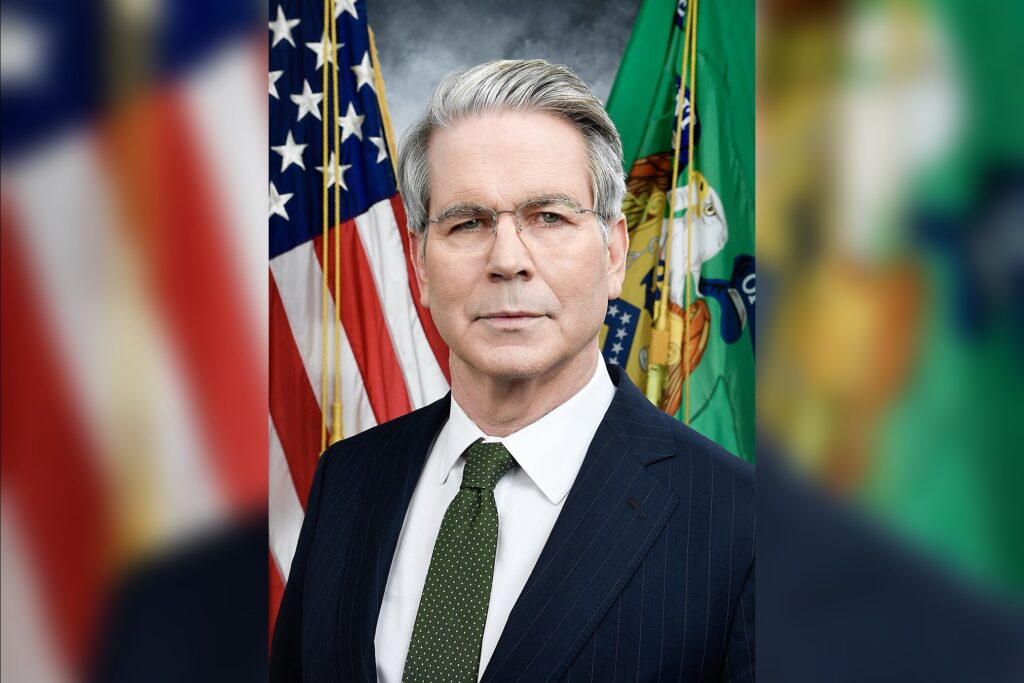
Secretary Scott Bessent delivered remarks at the No Money for Terror Conference, a forum focused on international cooperation against terrorist financing. The conference itself is a signal: no single country can choke off the funding that fuels groups like Hamas or Hizballah.
Money moves across borders. The Treasury Department’s actions this week targeted flotilla organizers and Muslim Brotherhood networks that support Hamas. Separately, the department went after Hizballah-aligned officials who have obstructed peace and disarmament efforts.
These are not symbolic gestures. Disrupting financial networks means freezing assets, cutting off supply lines, and making it harder for groups to pay operatives or buy weapons.
The Treasury also targeted the broader infrastructure that generates billions for Iran’s terrorist regime. Iran has long used proxies and financial front companies to fund instability across the Middle East. Cutting those pipelines has direct consequences for regional security.
On the domestic front, the Treasury Department disrupted Sinaloa Cartel narco-terrorist fentanyl trafficking operations. This is not a distant problem. Fentanyl has driven the opioid epidemic in American communities, killing tens of thousands each year.
The Sinaloa Cartel is one of the primary suppliers. Targeting their financial operations hits them where they are most vulnerable: their profits.
The action aims to make it harder for the cartel to manufacture and distribute the drug, which in turn could reduce the flow of deadly pills into U.S. cities and towns. The administration also continued the national emergency with respect to Belarus. That designation keeps sanctions in place against officials and entities linked to the regime of Alexander Lukashenko, who has cracked down on political opposition and democracy activists.
The ongoing emergency signals that the U.S. sees Belarus as a continuing threat to regional stability and democratic norms. President Trump signed a series of executive actions this week focused on restoring integrity to the nation’s financial system and promoting innovation in financial technology.
These domestic actions are meant to create a regulatory environment that encourages new financial tools while protecting consumers and the broader economy from fraud and abuse. What to watch next: The Treasury Department’s actions against terrorist financing and narcotics trafficking are part of a broader strategy. The No Money for Terror Conference is not a one-off event.
International cooperation will be key to sustaining pressure on these networks. The targeting of Hizballah-aligned officials and the disruption of Sinaloa Cartel operations will likely be followed by further designations and enforcement actions. The continued national emergency with respect to Belarus means sanctions there will remain in place, and the administration may expand them if the political situation worsens.
The effects of these actions will not be immediate. Financial disruptions take time to ripple through criminal and terrorist networks.
But the message is clear: the U.S. Treasury is using its financial tools to impose real costs on those who fund violence, destabilize regions, and poison American communities.




