The paper trail starts with a ship. Four years after Iran’s first shipments, American naval forces working with Yemen’s coastguard boarded an Iranian vessel, the Jihan I, in Yemeni territorial waters. A UN panel of experts later concluded that its cargo, which included ammunition, rockets, rocket-propelled grenade launchers and man-portable air defense systems, had been loaded in Iran and was meant for the Houthis.
It was not the beginning. According to the United Nations, Iran began supplying the Houthis with weapons in 2009, when the group, a Zaydi Shia movement from Sa’ada governorate in northern Yemen, was fighting the government of President Ali Abdullah Saleh. Orion Policy Institute describes those early deliveries as small, irregular and of little consequence, a sign of how low Yemen sat on Tehran’s list of priorities.
What changed in 2014
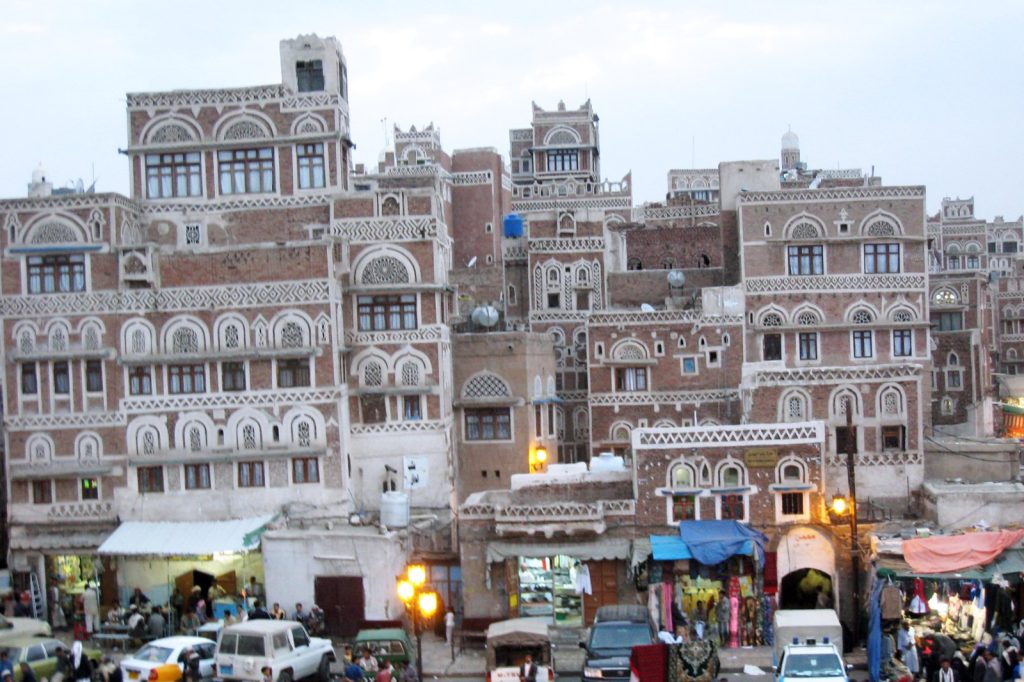
In September 2014 the Houthis, allied with Saleh in a surprise turn, launched an insurgency and took control of all northern Yemen, Sana’a included. In March 2015 Saudi Arabia led a military intervention aimed at removing them and reinstating Hadi. Riyadh saw an armed Shia group next to a 1,307 km border as a major threat, and suspected Iranian backing from the start.
Tehran saw an opening. Orion’s analysis says the Houthi advance let Iran pressure Saudi Arabia indirectly and extend its reach toward the Red Sea. Reports of increased Iranian assistance began to emerge from late 2014. The Center for Strategic and International Studies (CSIS) dates the increase to around the same year, and says the Quds Force, the foreign arm of the Islamic Revolutionary Guard Corps, led it.
Weapons, parts and trainers
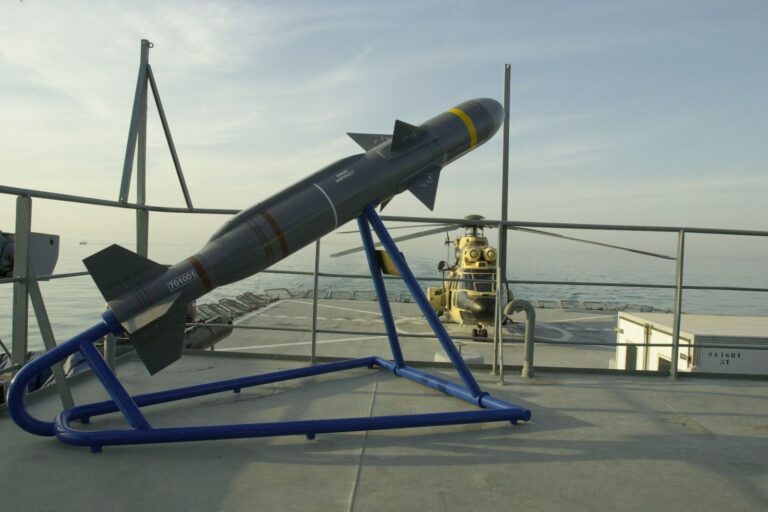
CSIS lists what it says Iran supplied: anti-tank guided missiles, sea mines, Qasef drones, 122-millimeter Katyusha rockets, Misagh-2 shoulder-fired air defense missiles, RDX high explosives, and ballistic and cruise missiles. There is no air or land bridge into Yemen. So the Quds Force used maritime smuggling routes, breaking weapons into parts, loading them onto boats and moving them through ports in Oman and Yemen, Nishtun and Al-Ghaydah among them.
The UN panel’s findings appear again in the CSIS account. The Borkan-2H, a short-range ballistic missile the Houthis have fired at Riyadh and other Saudi targets, was judged by the panel to be “a derived lighter version” of Iran’s Qiam-1, with key parts supplied by Iran. With Iranian assistance, CSIS adds, the Houthis built altered versions of Iran’s Quds-1 and Quds-2 cruise missiles. It believes their Qasef drones probably came from Iran too, since they resemble the Ababil-T.
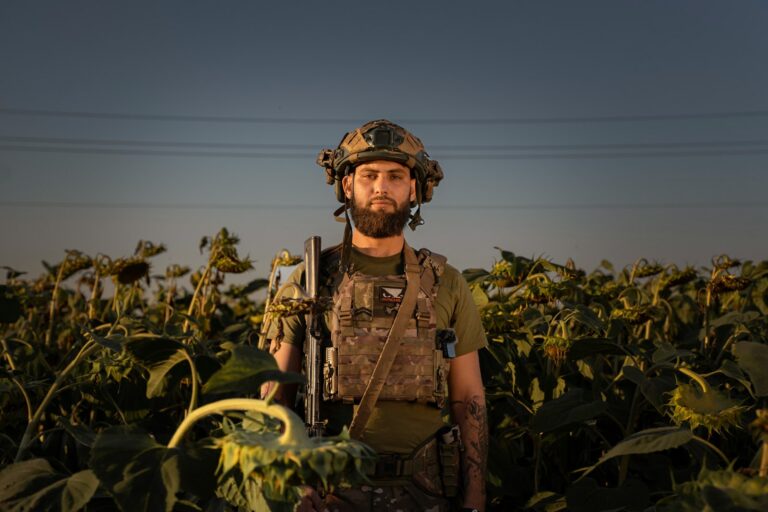
Hezbollah has played a part too. The Quds Force and the Lebanese group trained Houthi fighters in tactics and in assembling, using and maintaining missiles and drones. Over time the Houthis learned to build their own: Orion points to the weapons on show at the Houthi parade in Sana’a as proof of local manufacturing.
Ally or proxy?
Orion’s author argues that the word proxy is too simple. The ties are solid, she writes, but nothing shows the Houthis taking orders from Tehran, and the group has used the relationship for its own ends.
Iran gets something back. The Houthis’ hold on northern Yemen lets it pressure Saudi Arabia at limited cost, and their presence in Hodeida gives it indirect access to the Red Sea, which Orion says Iran regards as a crucial route for moving weapons to allies.
The 2023 China-sponsored deal restoring Saudi-Iranian relations reportedly included a pledge by Tehran to halt arms deliveries to the Houthis. Orion, writing in August of that year, doubted that the partnership would end or change in any significant way.
Sources
- The Evolution of the Iran-Houthis Partnership and Its Implications for Yemen and Regional Dynamics (Orion Policy Institute)
- The Iranian and Houthi War against Saudi Arabia (CSIS)