
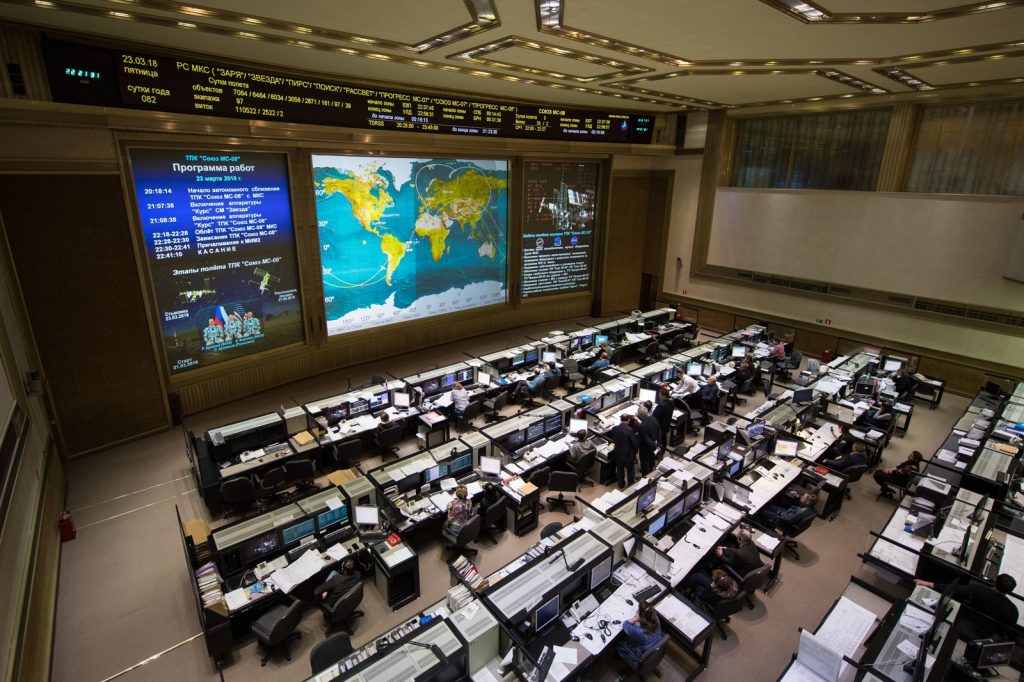
MOSCOW, July 26 — The mechanics here are straightforward on paper, but the implications cut deep. Russia possesses a fleet of reconnaissance satellites that can see objects on the ground at resolutions finer than a meter. If Moscow grants Tehran tasking access to those eyes over American bases in the Middle East, Iran gains persistent, real-time surveillance without having to put another satellite into orbit.
On closer reading, the technical picture is layered. Russia operates the Resurs-P series — No.1 launched in June 2013, No.2 in December 2014, No.3 in March 2016 — each capable of 0.7-meter panchromatic resolution.
These are officially civilian-class satellites, but the distinction is thin: that kind of resolution can identify vehicle types and track movements. For higher-grade military imagery, Russia had the Persona satellite, launched in 2008, which failed in 2014. The newer Razbeg system provides a step up in quality, though specifics are scarce.
Radar and all-weather capability
There is also the Kondor-FKA radar satellite, launched in May 2023. The catch with optical satellites is cloud cover and darkness; radar cuts through both. Kondor-FKA gives Russia — and conceivably any partner with access — all-weather imaging day or night.
Follow the money, or rather follow the tasking orders: if Iran can direct that radar over specific coordinates, it can monitor U.S. force movements regardless of weather or time of day. Commercial providers such as Maxar and Planet Labs already sell sub-meter imagery on the open market.
But state systems offer controlled distribution — the difference between buying a photograph someone else chose to take and ordering a satellite to look exactly where you want, when you want.
The transfer problem
The technical hurdle is data transmission. To share imagery, Russia would need to send data through ground stations or encrypted links. Both can be intercepted, at least in theory.
But the existence of such transfers is difficult to verify without direct access to satellite tasking logs — the kind of records neither Moscow nor Tehran would publish. Analysts are left reading telemetry shadows and diplomatic signals.
Iran already has its own eye in the sky. The Khayyam satellite, launched in August 2022 with Russian assistance, provides 1.2-meter resolution. That is useful but coarser than what Russian assets can deliver.
If Russia gave Iran access to its own satellites, Tehran could task them over specific U.S. bases without needing to launch additional assets — a faster, cheaper path to expanded surveillance coverage.
What analysts watch for
The assessment from analysts is that such cooperation would allow Iran real-time surveillance of U.S. force movements in the region. That changes the operational calculus for any deployment or redeployment. The question is not whether the technical means exist — they do, across multiple satellite families — but whether the political and security calculus in Moscow supports handing over the keys to a constellation that cost billions of rubles and years to build.
What to watch next: any unexplained change in Russian satellite tasking patterns over the Gulf and the Arabian Sea, or any new ground station infrastructure that points toward data-sharing arrangements. The hardware is already in orbit.
The only variable is the command link.




