
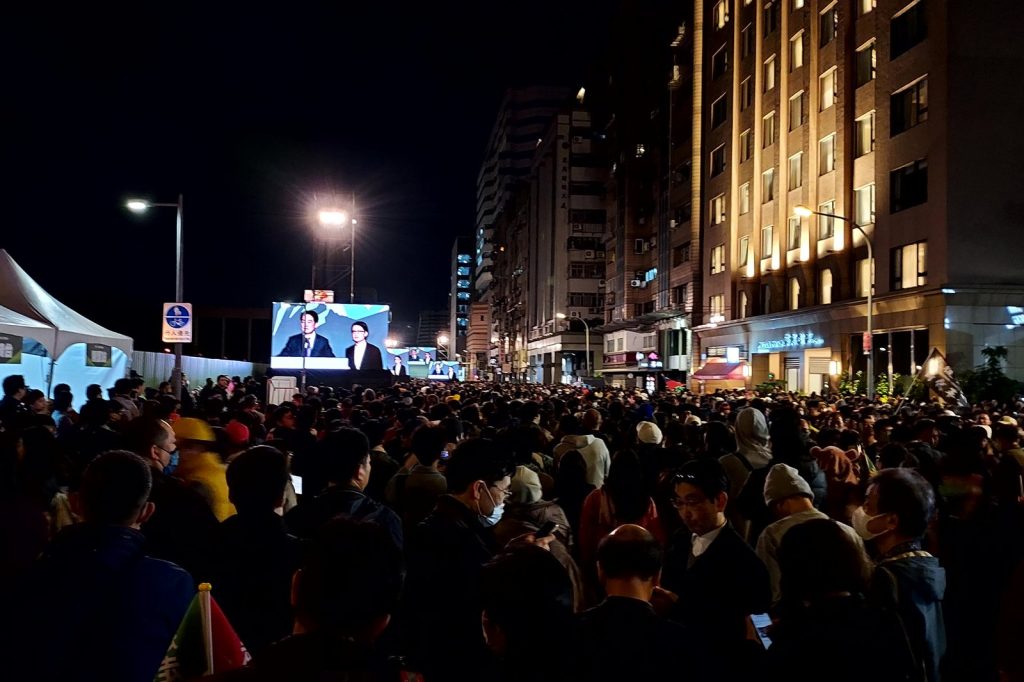
On 13 January, voters across Taiwan went to the polls to choose the island’s 16th president and vice‑president, as well as all 113 members of the 11th Legislative Yuan. While the ballot‑counting process was a routine exercise in democratic practice, the implications of the results extend far beyond domestic politics.
Geographically wedged between two economic powerhouses, Taiwan’s strategic importance is amplified by its pivotal role in the global semiconductor supply chain and its status as a democratic outlier in a region dominated by authoritarian regimes. These factors keep the United States closely attuned to the island’s political trajectory. The incumbent U.S. president reiterated Washington’s dedication to a partnership grounded in democracy, freedom and human rights—a pledge that underpins ongoing arms sales, diplomatic exchanges and covert coordination on trade and technology.
For Beijing, the election is viewed through a different lens. The Chinese leadership continues to regard Taiwan as a renegade province and has repeatedly warned against any moves toward formal independence. Historically, China has sought to shape Taiwanese politics through economic pressure, military displays and diplomatic isolation, tactics that the international community, including the United States, has publicly condemned.
The composition of the Legislative Yuan will be as consequential as the presidential outcome. A president lacking a supportive majority in the 113‑seat parliament may struggle to advance a policy agenda, potentially leading to legislative gridlock. Conversely, a cooperative legislature could enable swift responses to external challenges—whether they stem from Beijing’s trade restrictions or Washington’s expectations regarding semiconductor exports.
Taiwan’s ability to conduct a free and fair election reinforces the narrative promoted by the United States and its allies that democratic governance can thrive even amid heightened strategic tension. For China, each election cycle is perceived as a provocation simply by virtue of Taiwan’s assertion of separate political identity.
Ultimately, the post‑election period will test how the new administration balances internal mandates with external pressures. The United States anticipates a reliable partner that aligns with its democratic values, while China expects compliance with its “One‑China” stance. Taiwanese citizens, meanwhile, look for security and continued prosperity.
In essence, the ballot was the mechanism; the real story unfolds in the decisions the incoming leadership will make and the reactions they will provoke across the Pacific.




