
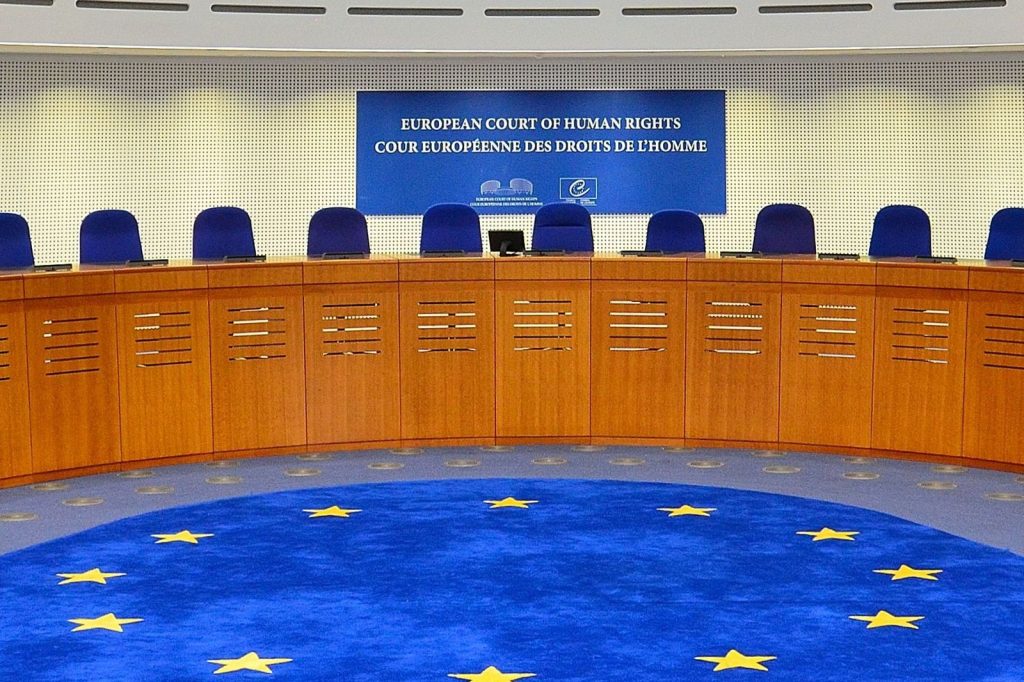
Dublin has formally lodged a state‑to‑state complaint against London at the European Court of Human Rights in Strasbourg, accusing the United Kingdom of breaching the European Convention on Human Rights. The dispute centres on a British law that grants immunity from prosecution to soldiers and paramilitary members who took part in the decades‑long conflict in Northern Ireland, commonly known as the Troubles. Under the contested statute, individuals who carried out violent acts during the Troubles are shielded from criminal proceedings.
Ireland argues that this blanket amnesty contravenes several core Convention rights, including the right to life, the guarantee of a fair trial and the entitlement to an effective remedy. By blocking the possibility of prosecutions, Dublin says the law hampers the pursuit of truth and denies justice to victims and their families, many of whom have waited years, even decades, for accountability.
The filing marks a rare instance of a sovereign state bringing a case against another state before the Strasbourg court. While the Court routinely hears complaints from individuals and groups, state‑versus‑state matters are uncommon. Ireland’s move also reverses its historic role at the Court: in 1960, the first ever judgment rendered by the European Court of Human Rights, Lawless v.
Ireland, named Ireland as the defendant in a case concerning detention without trial. Now, the Irish government is the plaintiff.
The British amnesty law was introduced by Parliament with the intention of drawing a line under the violent past. Instead, it has become the catalyst for an international legal challenge. Irish officials have described the legislation as a “barrier” rather than a solution to the lingering legacy of the Troubles. By taking the issue to Strasbourg, Dublin forces the United Kingdom to confront the matter on a stage where it cannot easily dismiss the allegations.
Should the Court rule that the United Kingdom has violated the Convention, the decision would not automatically repeal the amnesty statute, but it would place significant pressure on London to amend the law or face continued condemnation. The outcome could also test the authority of the Convention itself, a body whose relevance the UK government has occasionally questioned, with some British politicians advocating for withdrawal from the treaty.
The background to the case is a long‑standing, uneasy process of dealing with the Troubles’ legacy. Various commissions and inquiries have been established over the years, yet progress has often been described as slow, leaving many families feeling stuck in limbo. The amnesty law, intended to provide closure, has instead reignited debate and legal action.
Both the historical weight of the conflict— which claimed thousands of lives— and the fresh wounds of those still seeking answers underscore the sensitivity of the issue. The legal battle is therefore not only a procedural matter but also a political flashpoint, highlighting the continuing tension between the two neighboring states over how to address a painful past.
The European Court of Human Rights will now consider the merits of Ireland’s complaint, a process that may take considerable time. For the victims and relatives who have already endured prolonged waiting, the prospect of a definitive ruling offers a glimmer of hope, even as the path to any potential remedy remains uncertain.




