
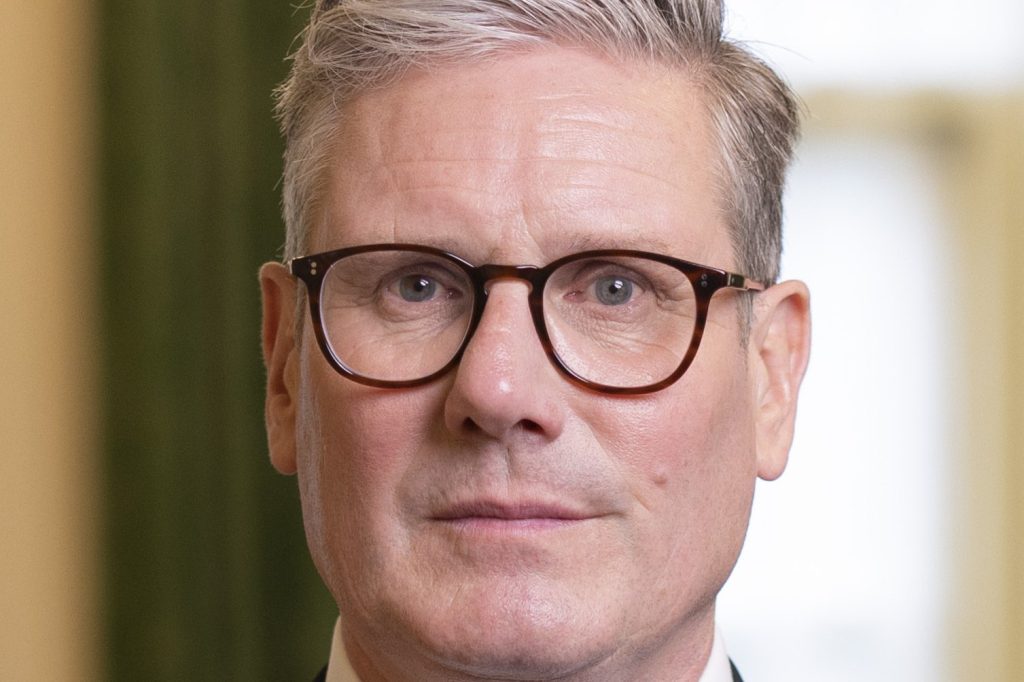
Keir Starmer hosted 16 other world leaders in London on March 2, 2025, along with France’s Emmanuel Macron and Ukraine’s Volodymyr Zelenskyy, and called the moment “once-in-a-generation” for European security. The time had come, he said, for decisive action rather than more deliberation.
Out of the London Summit on Ukraine, held under the motto “securing our future,” came a coalition of 34 countries plus Ukraine. Britain and France lead it. Members pledged to go further than the Ukraine Defense Contact Group by standing ready to join a peacekeeping force on Ukrainian territory, either with troops or in other ways.
The condition is firm. Nobody deploys until Ukraine and Russia sign a “comprehensive ceasefire agreement” or “peace deal.”
Backing the US talks
The stated aim is to support the peace negotiations that the United States launched between Ukraine and Russia in February 2025, by building security guarantees strong enough to make any ceasefire or deal last. If those negotiations fail, the coalition said it is ready to raise military support for Ukraine and tighten economic sanctions on Russia.
The announcement came two days after Zelenskyy met Donald Trump and Vice President Vance at the White House on 28 February. The day before the summit, Czech president Petr Pavel had posted on X calling for a coalition of the willing to end the war.
Where the idea came from
Le Monde reported that in late November 2024, Paris and London were already discussing who would lead a coalition in Ukraine, as Trump returned to the White House and American disengagement from Kyiv looked possible. Macron had started the debate on sending troops back in February 2024 at a meeting of Kyiv’s allies in Paris, and some European countries, led by Germany, strongly opposed it.
What followed
On 11 March, military chiefs of staff from 30 European and Commonwealth nations, plus Japan, met in Paris to discuss an international force to keep the peace after a ceasefire. Four days later Starmer led a virtual meeting with leaders of 26 countries to consider a “reassurance force” that would deter renewed Russian attacks.
By 20 March the coalition’s exact form was still being planned, but it had entered an “operational phase” with a meeting of military officials from 31 countries. Five sub-planning groups, covering land, sea, air, regeneration and reconstruction, were set to meet at Northwood Headquarters in England from 24 to 26 March.
At a Paris summit on 27 March, participants agreed unanimously that no sanctions on Russia could be lifted as part of a temporary ceasefire, and that any relief should depend on a peace deal.
After another Paris summit on 4 September, Macron said 26 nations had formally pledged to deploy troops as a “reassurance force” for roles such as air policing, naval mine-clearing and training, conditional on a ceasefire.
Sources
- Coalition of the willing (Russo-Ukrainian war) – Wikipedia
- UK proposes Western peacekeeping mission of 10,000 troops in Ukraine




