
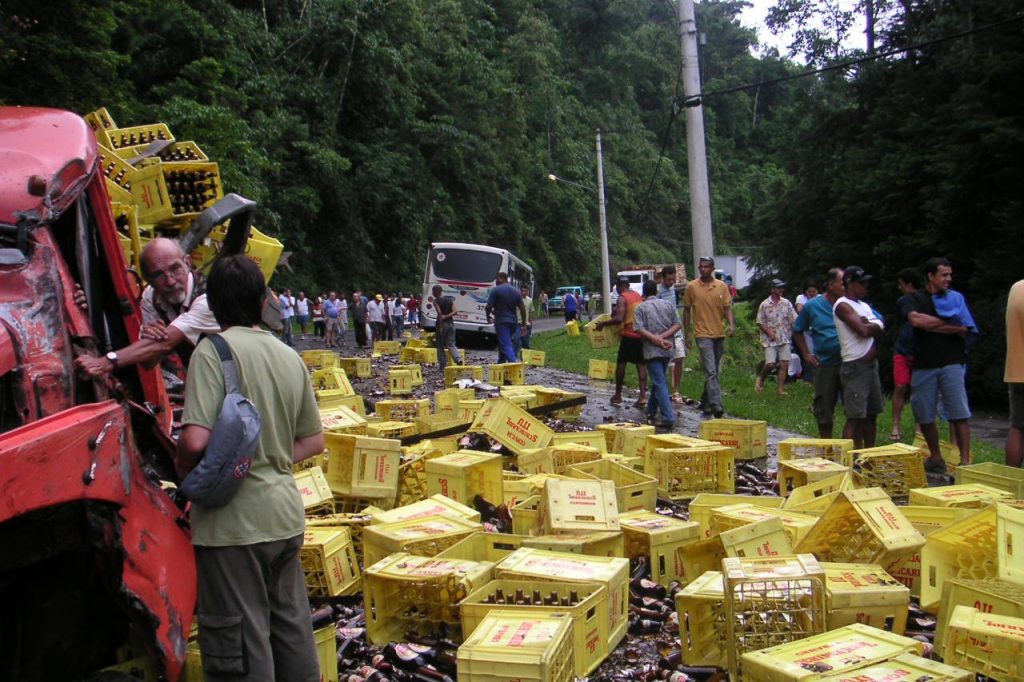
On March 1, 2026, a coach bus and a truck collided close to the village of Kyakabuga in Kyankwanzi District, Uganda. The impact resulted in six fatalities and left seven people injured. Kyankwanzi lies in the country’s Central Region and occupies a western position that borders the Bunyoro area, making it a key transit corridor for both passengers and freight. The district’s administrative centre is located in Butemba Town, which is expected to coordinate the immediate response and any longer‑term follow‑up actions.
Authorities have launched an investigation into the cause of the crash. Early attention is being directed toward the mechanical condition of the vehicles involved and the state of the road infrastructure at the site. The incident has renewed focus on Uganda’s road safety record, highlighting the necessity for sustained improvements in maintenance practices and stricter enforcement of traffic regulations.
Broader Implications for Safety, Economy and Environment
In the aftermath, the primary concern is providing assistance to the families of those who died and to the injured survivors. Beyond the immediate humanitarian response, the crash underscores the long‑term significance of a reliable transport network for Uganda’s economic development. Safe roads are viewed as essential not only for facilitating trade and movement but also for supporting broader goals such as energy security.
Discussions about preventing similar tragedies have linked road safety to the country’s renewable energy ambitions. Expanding the use of solar and hydroelectric power could lessen Uganda’s dependence on fossil fuels, thereby reducing the environmental footprint of its transportation sector. Coupled with upgrades to road surfaces and bridges, investment in clean energy is seen as a pathway toward a more sustainable and resilient mobility system.
The response to this incident will be monitored closely. Ugandan officials are anticipated to take decisive steps, including expanding road‑safety education programmes, increasing traffic‑law enforcement, and implementing stricter regimes for vehicle and road upkeep. The international community may also contribute expertise and resources to help strengthen the nation’s safety framework.
As Uganda continues to develop its transport infrastructure, maintaining safety as a top priority will be crucial. Lessons learned from the Kyakabuga crash are expected to inform future policies aimed at averting similar losses. Environmental considerations are also part of the conversation; the collision and its aftermath likely generated pollutants that could affect the local ecosystem, prompting mitigation efforts to protect surrounding habitats.




