
Italy has broken up a Russian spy cell that was trying to map where Ukraine keeps its anti-aircraft weapons, the Kyiv Post reported on July 12, 2026, citing Italian security and judicial sources. Several suspects were arrested on Italian soil, and at least one official at the Russian embassy, identified as an intelligence handler, was thrown out of the country.
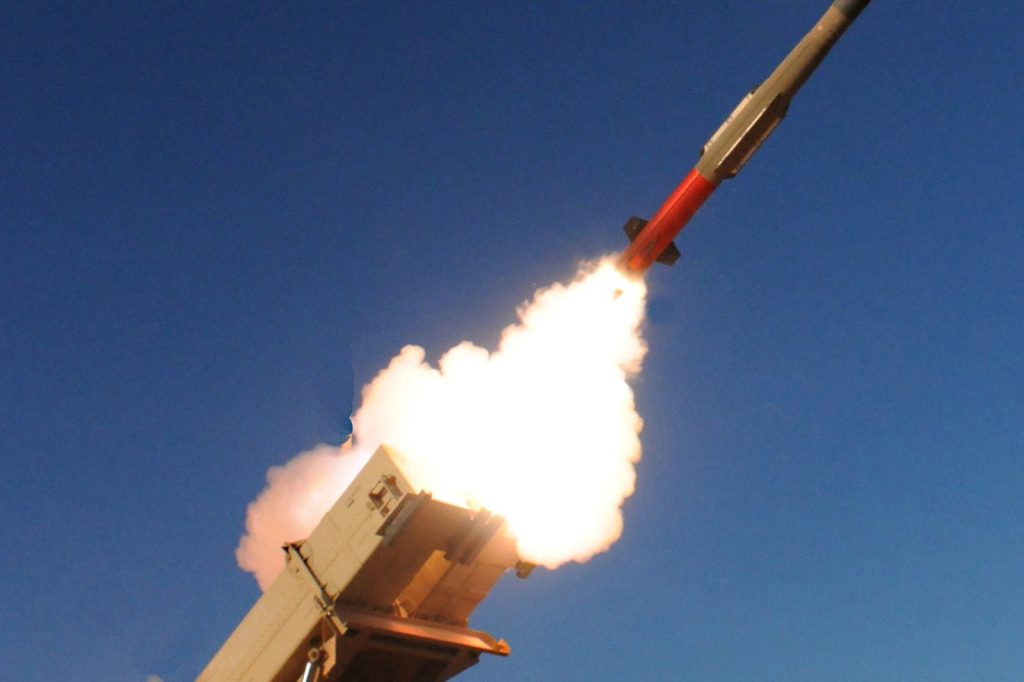
The detail that matters is what the network wanted. It was not simply passing along stolen files. Its operatives were assigned to establish the physical positions of Ukrainian air defense assets, the sort of granular data that feeds directly into planning for missile strikes on cities and military sites.
Months of watching
AISI, Italy’s domestic intelligence agency, followed the cell for months before moving in. Investigators say the suspects relied on old-fashioned tradecraft: dead drops, encrypted messaging apps and cover identities set up inside ordinary business and academic circles. One operative posed as a trade consultant with links to Eastern European logistics firms.
The handler at the embassy was declared persona non grata and given a deadline to leave. Italy’s Foreign Ministry confirmed the step but did not name him. Expulsions over espionage are relatively rare for Rome, which makes this one a pointed message from Prime Minister Giorgia Meloni’s government. Italy has deep historical and economic ties to Russia, and Meloni has at times faced domestic pressure over the pace of Italian military aid to Kyiv.
Prosecutors have opened a formal investigation under the espionage statutes, which carry sentences of up to fifteen years. The suspects in custody are expected to face trial in Rome. Analysts who follow European counterintelligence cases say acquittals are rare, because the bar for an arrest is high and AISI tends to move only with solid intercepts or corroborating human sources.
A second case in July
Italy Telegraph reported on July 7 on two arrests made in early July 2026, in a separate account of Russian recruitment inside Italy’s security establishment. The suspects are Gavino Raoul Piras, 59, a retired intelligence operative and former Carabinieri non-commissioned officer, and Vincenzo Di Pasquale, also 59, a former AISI member and retired Carabinieri officer. Court documents describe Piras as collecting classified military material and selling it to a Russian contact operating under diplomatic immunity. Investigators allege the payment was cash.
Four serving military personnel with high-level clearances are under investigation for allegedly passing secrets along. The Rome prosecutor’s office and the Military Prosecutor’s Office charged both men with espionage, unauthorized disclosure of state secrets and unauthorized access to classified IT systems. Prosecutors have not ruled out more arrests.
Defense Minister Guido Crosetto described the arrests as evidence of a Russian “guerra ibrida”, or hybrid war, against the Italian state. He called the case “the visible edge of a much larger offensive.”
Not just Italy
NATO’s counterintelligence directorate has been briefed, according to the Kyiv Post’s sources, and the alliance has flagged more Russian intelligence activity against member states since 2022. Germany expelled Russian intelligence officers in early 2026 after uncovering a network focused on arms shipment routes. Poland announced arrests tied to Russian sabotage planning in March. Britain’s MI5 has warned that Russian intelligence activity in Europe is at its highest level since the Soviet era.
Because the Italian cell’s target was so narrow, the Kyiv Post account suggests direction from the GRU, which handles military targeting, rather than the SVR. Allies are now watching to see whether Rome shares the network’s operational details through alliance channels, which could lead to other nodes in other member states.
Sources
- Italy NATO Spy Ring: Ex-Intelligence Officer Arrested
- Italy Dismantles Russian Spy Ring Hunting Ukraine Air Defense Secrets




