
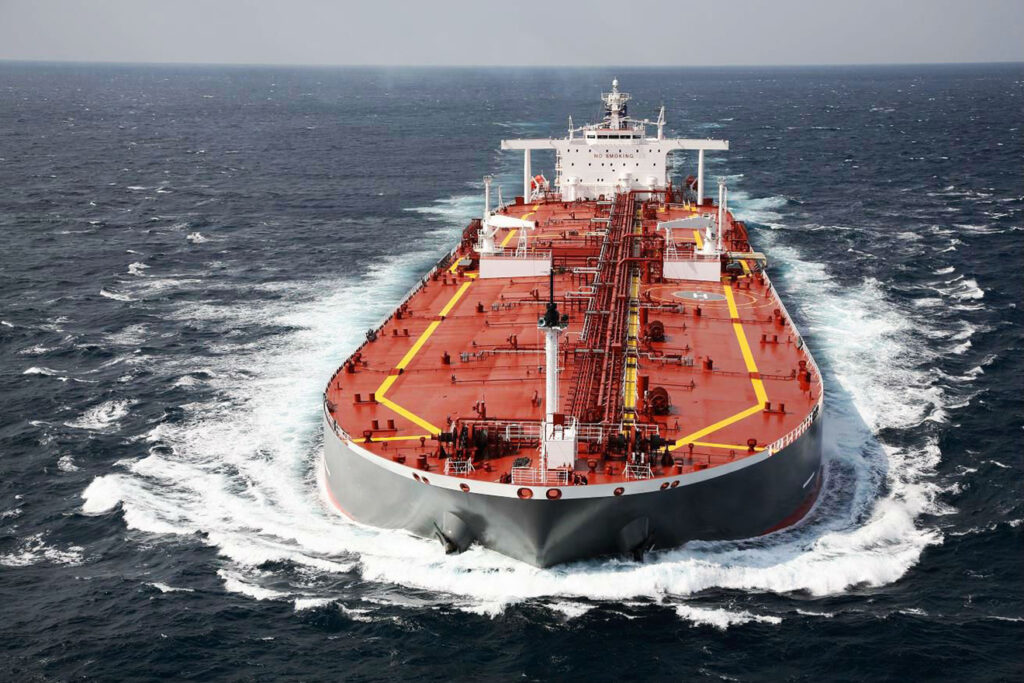
By June 8, 2026, ships had effectively been unable to use the Strait of Hormuz for 94 days. Energy agencies called it the worst supply disruption in the history of global oil markets, and for families across Asia the effects have shown up at the fuel pump and in the price of goods on the shelf.
Iran shut the strait to foreign shipping after armed conflict broke out between the United States, Israel and Iran. The Revolutionary Guard (IRGC) warned vessels off, boarded and attacked merchant ships, and laid sea mines. Tanker traffic fell by 90%. Oil climbed past $120 per barrel, the sharpest monthly rise ever recorded, and Gulf states are estimated to have lost $1.1 billion per day in oil revenue. QatarEnergy stopped all of its LNG exports.
A narrow road for the world’s fuel
The strait links the Persian Gulf to the Gulf of Oman and the Arabian Sea. Iran lies to the north, and Oman’s Musandam Peninsula to the south. It runs about 104 miles and measures roughly 35 to 60 miles across, yet the shipping lanes themselves are only two miles wide: one inbound, one outbound, with a two-mile buffer between them.
Some 20 to 21 million barrels of crude and petroleum products move through it every day, around 20% of global petroleum consumption. Qatar, the largest LNG exporter, sends virtually all its gas out this way. Iraq, Kuwait, Qatar and Iran have no other exit at all. Saudi Arabia and the UAE have bypass pipelines, but those carry only a fraction of normal volumes.
China, Japan, South Korea and India, the biggest oil importers, depend on Hormuz most heavily. When the strait shut in early March, fuel shortages followed in parts of Asia, freight costs multiplied and inflation picked up. Plastics, fertilizers, pharmaceuticals and electronics all felt pressure within weeks. War-risk insurance made the passage too expensive for most shipping companies, so vessels took longer routes or stayed in port.
Who owns the water
The strait lies within the territorial waters of both Iran and Oman. No stretch of it is open sea, so every ship passes through one country’s waters or the other’s. Iran holds the northern half and has more than once signaled it will use the strait as leverage, especially during sanctions disputes with Washington. Oman has kept a more neutral line and has acted as a back channel between Tehran and Western governments.
Under the UN Convention on the Law of the Sea, international straits carry a right of “transit passage” for all vessels, warships included. Iran is one of the few major maritime nations that has not ratified the treaty, so it does not formally accept that right. Tehran has claimed authority to regulate or limit traffic on occasion.
Diplomacy stalls
A UN Security Council resolution calling for the strait to reopen was vetoed in early April. Tehran declared the passage open on April 17, then the IRGC reversed that within 24 hours. A fragile ceasefire holds, but almost no commercial shipping is moving, and no reopening date has been given.
Hormuz has been contested for a long time. The island of Hormuz was a rich medieval trading kingdom until the Portuguese navigator Afonso de Albuquerque seized it in 1507. Portugal then dominated the strait’s trade for more than a century. In the Iran-Iraq War’s “Tanker War” phase, hundreds of merchant vessels were attacked, and the US Navy escorted Kuwaiti tankers under Operation Earnest Will.
Governments in Europe and Asia have started diversifying their supplies and speeding up energy-transition spending, out of necessity rather than idealism.




