
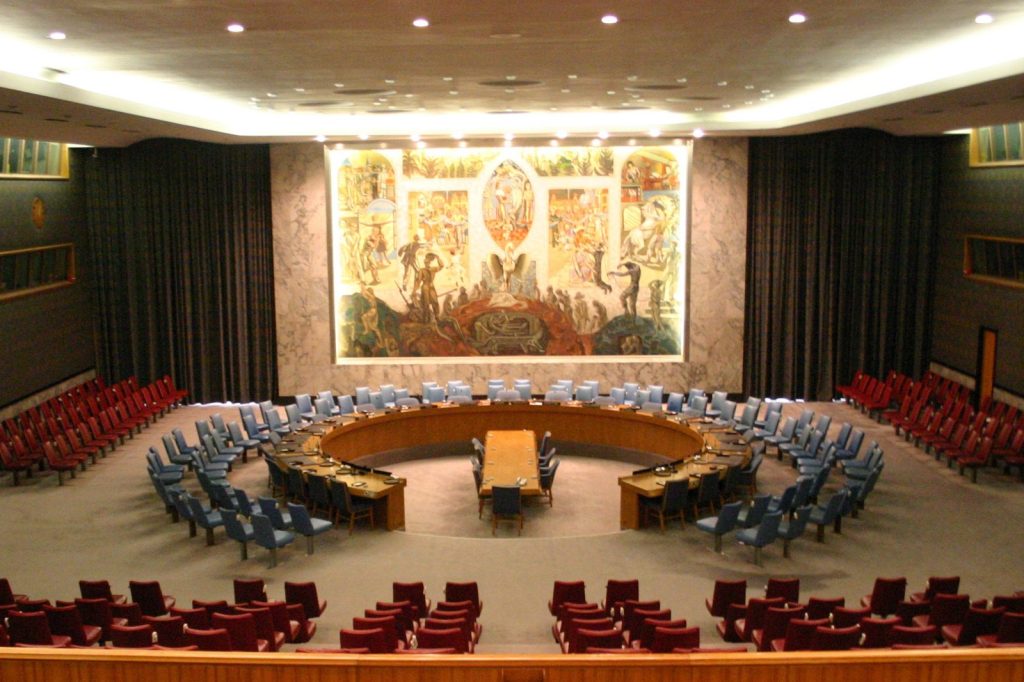
The resolution that would have kept cross‑border aid flowing to Syria for a full year received thirteen votes in favour but was stopped by a single veto from each of Russia and China. Because any permanent member’s “no” collapses the measure, the outcome was unsurprising and follows a repeated behaviour: the two powers have previously narrowed the humanitarian lifeline for millions of Syrians living in rebel‑held areas.
Russian Counter‑Offer Limits Access
Instead of accepting the year‑long, multi‑crossing plan, Russia proposed a compromise that would allow only two Turkish border crossings for six months. This halves both the duration and the number of entry points, effectively keeping the aid pipeline on a short leash that must be renewed every half‑year, giving the Council repeated opportunities to block, delay, or extract concessions.
Canadian Ministers Express Disappointment
Foreign Affairs Minister François‑Philippe Champagne and International Development Minister Karina Gould issued a joint statement describing the veto as “deeply disappointed.” They warned that the decision “will prevent millions of Syrians from receiving aid they urgently require.” The statement singled out Idlib, the last major rebel‑held province in northwest Syria, where humanitarian needs are most severe. It noted “increased violence, including air strikes by the Syrian regime and Russia,” pointing out that those strikes hit hospitals, markets, and residential buildings, thereby creating the very hunger and displacement the aid was meant to alleviate.
Timing Suggests Tactical Use of Aid Denial
The veto coincided with intensified ground operations by Russian‑backed Syrian forces against opposition areas in northwest Syria. The proximity of the two events is not coincidental; restricting humanitarian access weakens the civilian population, making military advances easier.
As the source material observes, starvation and denial of medicine function as weapons in this context.
Structural Impasse of the Security Council
The veto power granted to each permanent member was designed after World War II to prevent great powers from being compelled to act against their will. However, when a permanent member is itself a party to the conflict—as Russia is in Syria—the same provision allows it to block any measure it opposes.
There is no procedural mechanism to override or appeal a veto, leaving the Council paralyzed whenever one of the five chooses to exercise it.
Uncertain Outlook for Aid
The six‑month, two‑crossing proposal may yet succeed in a future vote, or it may fail. Either result will leave the amount of aid falling short of what is needed.
Violence in Idlib is expected to continue, with the Syrian regime, bolstered by Russian backing, pressing forward. The Security Council will likely remain unable to act decisively.
Canada’s Response Highlights Powerlessness
Canada’s statement served as both a rebuke and an acknowledgment of limited leverage. The ministers expressed disappointment and concern, called for “rapid, safe and unhindered humanitarian access to populations in need,” but did not announce new sanctions, diplomatic pressure, or additional funding. Within the existing UN framework, little else can be done.
Veto Reflects Systemic Reality, Not Anomaly
The outcome was not an isolated incident. Thirteen countries voted in favour, while two permanent members exercised their vetoes, securing the decision.
The episode underscores how the Council’s structure operates in practice, revealing the limits of collective action when a veto‑holding party is directly involved in the conflict.




