
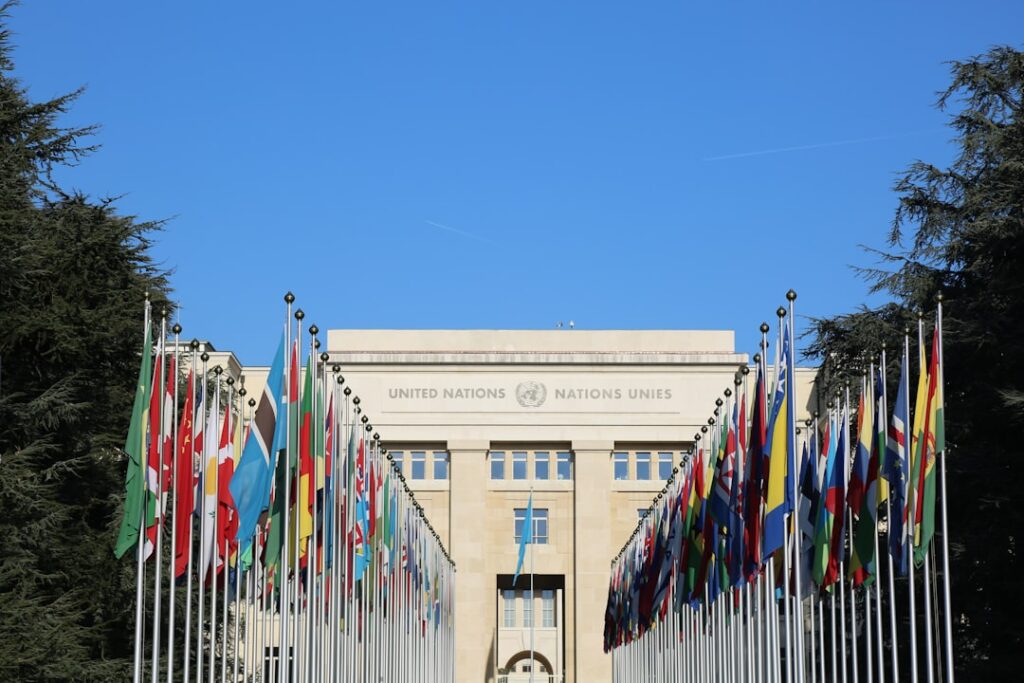
A routine procedural event at a United Nations conference on the Nuclear Non-Proliferation Treaty (NPT) on April 27, 2026, erupted into a diplomatic flashpoint after Iran secured a vice presidency. The United States swiftly condemned the outcome, with its disarmament ambassador, Robert Wood, issuing a sharp rebuke. “The United States is concerned about Iran’s election as a vice president of this conference, given its lack of compliance with its NPT obligations,” Wood stated, framing the dispute as a matter of treaty integrity rather than a minor administrative matter. The NPT, in force since 1970, counts 191 signatory nations.
It designates nuclear-weapon states as those that conducted a test before 1967, including the United States, China, and Russia. The treaty’s objectives are to curb the spread of nuclear arms while permitting peaceful nuclear energy development.
Iran is a signatory, but U.S. and allied officials allege it has violated those commitments. Washington’s objection centers on the perception that granting Iran a leadership post at the review conference effectively rewards noncompliance. Critics argue the United Nations is amplifying a voice it should be scrutinizing.
The Trump administration has reiterated its backing for the NPT and emphasized international cooperation, but the reality of Iran occupying a vice president’s chair has undercut those statements. Western allies—the United Kingdom, France, and Germany—share U.S. concerns.
European Union foreign policy chief Josep Borrell affirmed the EU’s dedication to full treaty implementation, though he did not name Iran directly. The context, however, made the implication clear. This incident is the latest chapter in a long-running dispute over Iran’s nuclear activities.
The 2015 Joint Comprehensive Plan of Action was designed to address them, but the U.S. withdrew in 2018, prompting Iran to exceed enrichment limits. Efforts to revive the deal have stalled, and the NPT review conference has become a new arena for confrontation.
The episode underscores the fragility of the NPT, a system reliant on mutual trust and the assumption that all parties follow the same rules. When a nation perceived as a violator gains a leadership role, that trust erodes. The U.S. is signaling it will not ignore this.
Wood’s statement was pointed and calculated. The conference will proceed with Iran as a vice president.
The U.S. will persist in its objections. Other nations will observe, some aligning with Washington, others not. The treaty lacks an enforcement mechanism beyond political pressure, and that pressure is now being tested.
The outcome remains uncertain, but the pattern is familiar: a UN dispute, a U.S. ambassador’s statement, a divided room. What was meant to focus on the future of nonproliferation has instead become a referendum on Iran’s past.




