
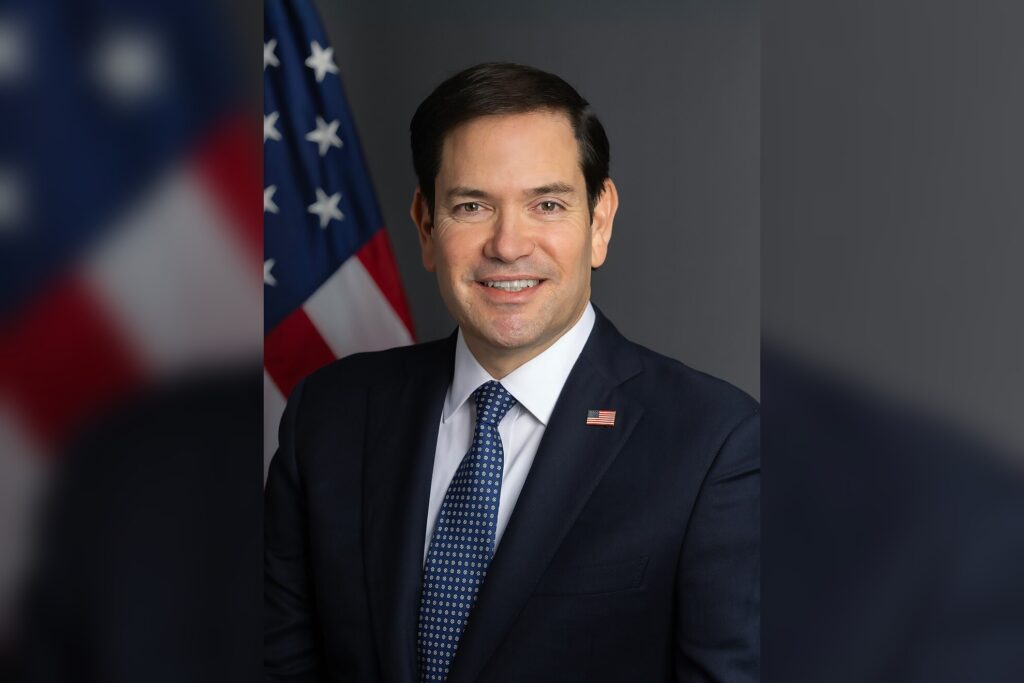
WASHINGTON, July 8 — The man who now leads American diplomacy on the world stage carries the Miami heat with him into the State Department’s marble corridors. Marco Rubio, the son of Cuban immigrants, was confirmed as U.S. Secretary of State on January 20, 2025, after more than a decade representing Florida in the Senate. By nightfall in the Persian Gulf, his hawkish fingerprints are already reshaping U.S. policy toward Iran.
On the ground in Washington, Rubio’s transition from senator to America’s top diplomat has been marked by continuity with his long-held foreign policy convictions. Born May 28, 1971, in Miami, Florida, Rubio rose to prominence as a Republican voice on national security, known for his unyielding opposition to the Joint Comprehensive Plan of Action — the 2015 nuclear deal with Iran — and his persistent calls for sanctions on Tehran.
His Senate tenure, from 2011 to 2025, included a run for the Republican presidential nomination in 2016, a campaign that amplified his foreign policy platform.
A Hawk Takes the Helm
Rubio’s confirmation on January 20, 2025, placed him at the center of an administration already signaling a return to maximum pressure on Iran. He speaks Spanish fluently, a skill rooted in his family’s story as Cuban immigrants, and his net worth, estimated at $1.5 million per Senate disclosures, reflects a career in public service rather than private wealth. The scene in the Persian Gulf has become the immediate test of Rubio’s tenure.
On March 30, 2025, Rubio declared that the existing ceasefire was “unsustainable,” citing Iranian violations that included drone attacks on March 28, 2025. That statement, blunt and unambiguous, signaled a shift in tone from the State Department — a move away from diplomatic patience toward a posture of confrontation.
Residents of the region describe a tense atmosphere, with the memory of the March 28 drone strikes still fresh. Rubio’s response has been to call for increased U.S. naval patrols in the Persian Gulf, a tangible escalation of military presence aimed at deterring further Iranian aggression. The administration’s strategy, as Rubio articulates it, rests on the belief that only sustained pressure will alter Tehran’s calculus.
From the Senate to the Situation Room
Rubio’s path to the State Department was shaped by years of legislative work on Iran policy. As a senator, he was a leading voice for sanctions and a vocal critic of the JCPOA, arguing that the deal gave Iran too much relief in exchange for too little verification. Those positions now inform his daily decisions as Secretary of State, where he oversees the implementation of the administration’s Iran strategy.
The drone attacks of March 28, 2025, marked a turning point. Rubio’s March 30 assessment that the ceasefire was “unsustainable” came just two days after those strikes, suggesting a rapid reassessment of the security situation.
The exact nature of the drone attacks — their targets, casualties, and the extent of damage — remains a matter of ongoing intelligence assessment, but Rubio’s public statement left no doubt about his interpretation: Iran had violated the terms of the ceasefire. By nightfall on any given day in the Gulf, the increased U.S. naval presence that Rubio has advocated for is now a visible reality.
The deployment of additional patrols represents a direct response to the March 28 incidents, and a signal that the administration is prepared to use military assets to enforce its red lines.
Looking Ahead
What to watch next: The coming weeks will test whether Rubio’s maximum pressure strategy can stabilize the Persian Gulf or whether it will provoke further Iranian retaliation. The March 30 statement that the ceasefire was “unsustainable” suggests that the administration is prepared to abandon the diplomatic track if violations continue. Rubio’s call for increased naval patrols indicates that the military option is being prepared as a complement to economic sanctions.
For a Secretary of State who built his political identity on a hawkish worldview, the Iran file represents both a challenge and an opportunity. The son of Cuban immigrants, fluent in Spanish, Rubio brings a personal understanding of authoritarianism to his role.
Whether that experience translates into effective statecraft in the Persian Gulf is the question that will define his tenure.




