
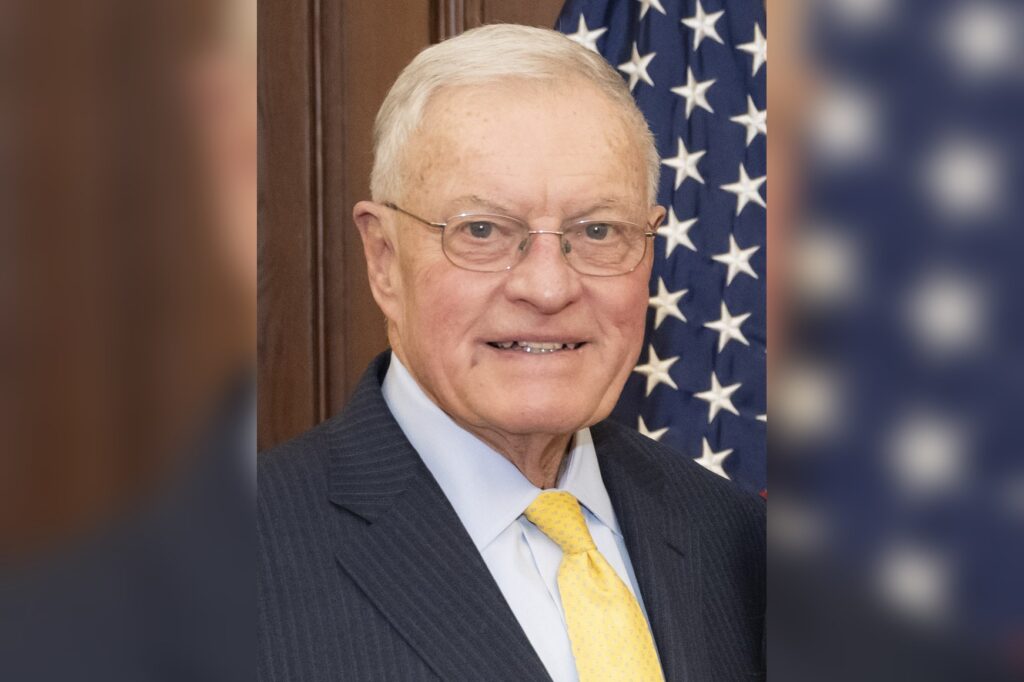
WASHINGTON, July 10 — Keith Kellogg, the retired U.S. Army lieutenant general serving as Special Envoy for Ukraine and Russia, has spent time building a peace framework that depends as much on economic levers as on military ones. The mechanics here are straightforward in theory: pressure Russia into negotiations by tightening the financial screws while simultaneously shoring up Ukraine’s defensive position. Kellogg, born May 12, 1944, in Dayton, Ohio, brings a 36-year military career to the diplomatic table.
He served as Chief of Staff of the U.S. Army from 2003 to 2004 and later as National Security Advisor to Vice President Mike Pence from 2017 to 2021. Appointed on January 25, 2025, his task is to develop a peace framework to end the Ukraine war.
The plan on paper
The proposal Kellogg has outlined contains three core elements. First, freezing the current front lines. Second, establishing a demilitarized zone.
Third, providing security guarantees to Ukraine. The catch is that none of this happens without forcing Moscow to the table, and that is where the economic strategy comes in.
Kellogg has advocated for increased sanctions and tariffs on Russia. His role in the tariff proposal, according to the source, is to ensure these economic measures support the broader peace strategy. On closer reading, this is not a standalone trade policy — it is a tool designed to make continued war more expensive for peace than the Kremlin.
On the ground
Since his appointment, Kellogg has visited Kyiv twice. On February 10, 2025, he met with Ukrainian Defense Minister Rustem Umerov. On February 28, 2025, he met with President Volodymyr Zelenskyy.
Two trips in less than two months suggest a man working at pace. Kellogg has described the approach as requiring a combination of military deterrence and economic pressure.
The logic is sequential: deterrence holds the line; economic pressure shifts the calculus. Follow the money, and the strategy becomes clearer — sanctions and tariffs are meant to create a cost-benefit analysis that Russia cannot ignore.
The open questions
What remains unclear is how the demilitarized zone would be enforced and who would provide the security guarantees. Kellogg’s framework is a structure, but the details are still being filled in. The administration has not released a timeline for when these proposals might be presented formally.
For now, the Special Envoy continues to operate between Washington and Kyiv, balancing the military realities of a frozen front with the economic mechanisms designed to break the stalemate. Watch for whether the tariff and sanctions track accelerates — that will be the signal that the diplomatic track is moving.




