
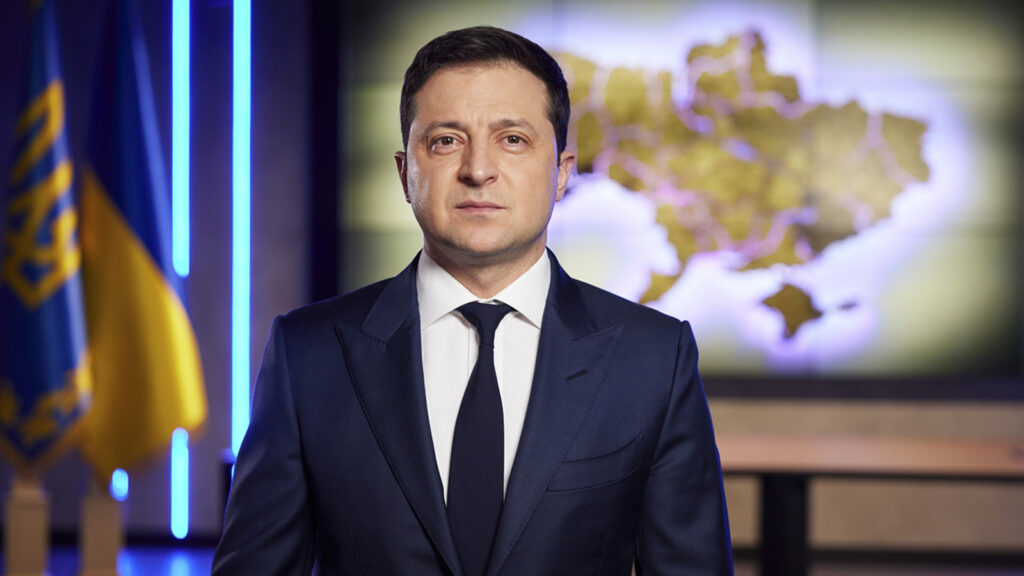
KYIV, July 16 — When President Volodymyr Zelenskyy presented his 10-point peace plan at the G20 summit in November 2022, the message was clear: no negotiations on Ukraine’s terms would start from a position of territorial surrender. On closer reading, the plan is less a negotiating document than a framework for what Kyiv considers a just outcome — and the mechanics here are designed to lock in international pressure before any talks begin.
The first point targets radiation and nuclear safety, specifically referencing the Zaporizhzhia Nuclear Power Plant, which Russian forces seized in March 2022. That seizure gives Moscow leverage over Europe’s largest nuclear facility, and the demand for its return is non-negotiable for Kyiv.
Point two, food security, invokes the Black Sea Grain Initiative — signed July 22, 2022, and expired July 17, 2023. The catch: that deal was always a fragile compromise, and its expiration left Ukraine’s agricultural exports once again vulnerable to Russian naval blockade. Point three addresses energy security, targeting Russian attacks on Ukraine’s energy infrastructure.
These strikes have been systematic, designed to cripple the grid before winter. The fourth point demands the release of all prisoners and deportees, including children deported to Russia — a humanitarian issue that has drawn condemnation from multiple international bodies but produced little concrete action on returns.
Then comes the hard part. Point five calls for restoration of Ukraine’s territorial integrity within its 1991 borders, including Crimea. Point six demands withdrawal of Russian troops.
Together, these two points amount to a full reversal of Russia’s military gains since 2014. Moscow has shown zero appetite for that. Points seven through nine propose an establishment of a special tribunal for war crimes, environmental protection, and prevention of escalation.
The tribunal idea has gained traction in European legal circles but faces the practical obstacle of securing Russian cooperation — or trying suspects in absentia. Point ten, confirmation of the end of the war, is the capstone: a formal declaration that hostilities have ceased, not merely a ceasefire.
The plan has been discussed in multiple international forums, including the United Nations General Assembly, which passed a resolution supporting a just peace on February 23, 2023. Over 140 countries have voted in favor of resolutions condemning Russia’s invasion. That number is impressive on paper, but follow the money: many of those same countries continue to trade with Russia, and the diplomatic gap between voting against the invasion and enforcing sanctions remains wide.
What to watch next: whether the plan resurfaces in formal negotiations as battlefield dynamics shift. Ukraine has used it as a diplomatic anchor, but without a mechanism to compel Russian withdrawal, points five and six remain aspirational.
The real test will be whether any future summit produces a binding timetable — or whether this remains a document that both sides cite while fighting continues.




