
Special envoys Steve Witkoff and Jared Kushner sat down with Vladimir Putin in the Kremlin on Saturday, carrying what President Donald Trump calls a concrete peace proposal. Putin described the situation as “difficult” but said contacts with Washington were useful.
The one tangible result so far is small. Russia and Ukraine agreed to hold off on strikes against each other’s capitals while the American delegation does its work. It is not a ceasefire. Russia still demands Ukrainian territorial concessions and an end to Kyiv’s NATO ambitions, and Ukraine has rejected both. Witkoff and Kushner are due to travel on to Kyiv for talks with Volodymyr Zelenskyy, and the administration has not made the full proposal public.
A record of partial results
Trump began his second-term diplomacy in February 2025 with phone calls to Putin and Zelenskyy. US and Russian officials met in Riyadh on Feb. 18, 2025, and Ukraine was not in the room, which drew immediate criticism.
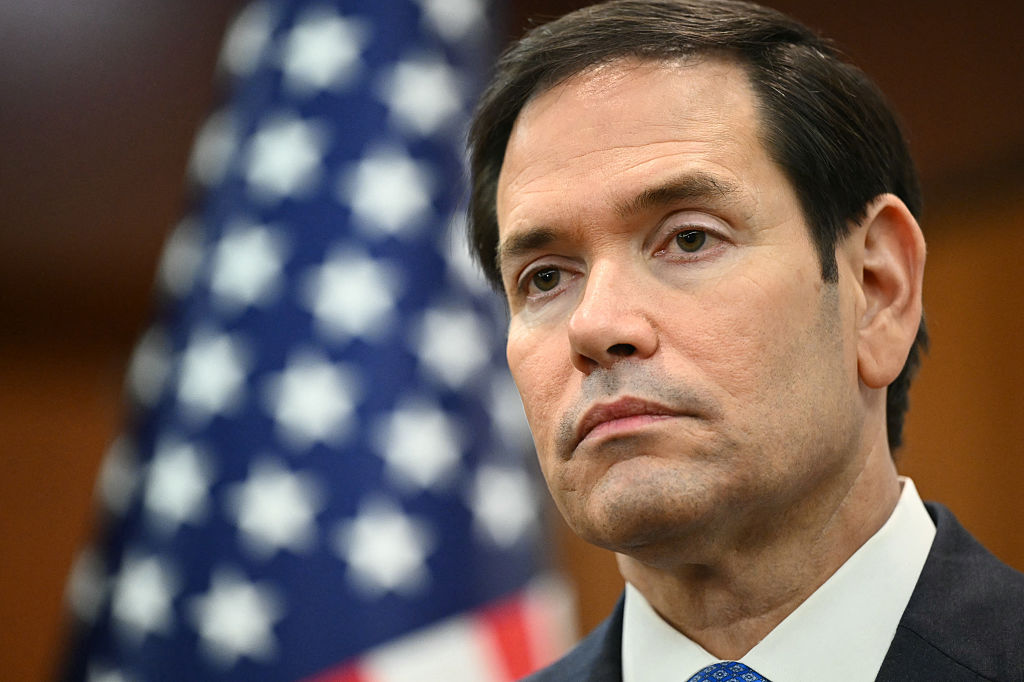
In March, Kyiv agreed to a proposed 30-day ceasefire after talks with the Americans in Saudi Arabia. Moscow did not accept it in full. It agreed instead to narrower steps on attacks against energy infrastructure and later discussions about the Black Sea. By April, Secretary of State Marco Rubio was saying Washington might drop the mediation without rapid progress, and Trump warned the US could “take a pass.”
Direct Russia-Ukraine meetings in Istanbul in May and June produced a major prisoner exchange but no ceasefire. Witkoff then made repeated trips to Moscow, and Trump met Putin in Alaska in August 2025. That summit also ended without a ceasefire. Leaders of France, Germany, Britain, Italy, Finland and Poland, with senior EU officials, welcomed Trump’s efforts toward a “just and lasting peace” while insisting Ukraine’s sovereignty be protected and that Russia get no veto over Ukraine’s European or NATO aspirations.
In October, Trump cancelled a planned meeting with Putin in Budapest. It “didn’t feel right,” he said, because the two sides were not getting to the point needed for an agreement.
Plans and criticism
A US proposal that originally had 28 points drew heavy fire in Ukraine, Europe and Washington on the grounds that it gave Russia too much. Republican Sen. Roger Wicker and Rep. Don Bacon publicly criticized parts of it. By December, officials from the US, Ukraine, Russia and Europe were working from a revised 20-point framework. Negotiators reported progress on security guarantees and economic reconstruction, though territory stayed unresolved.
Witkoff and Kushner met Putin again in January 2026. Another US-brokered round followed in Abu Dhabi in early February, which Ukrainian officials called productive, and talks moved to Geneva on Feb. 17-18. Those were the last such talks before this September initiative.
Many Ukrainians distrust the envoys, fearing they care more about a quick deal with Putin than a settlement Kyiv can live with. Reuters reported that experts and officials questioned whether such complicated negotiations could be handled by a small diplomatic team.
Trump has never formally declared the talks over. On July 15, asked by the BBC if he was finished with Putin, he said he was “not done with him.” Earlier, on July 28, he had cut a 50-day deadline for Russia to roughly 10 or 12 days and threatened more sanctions.




