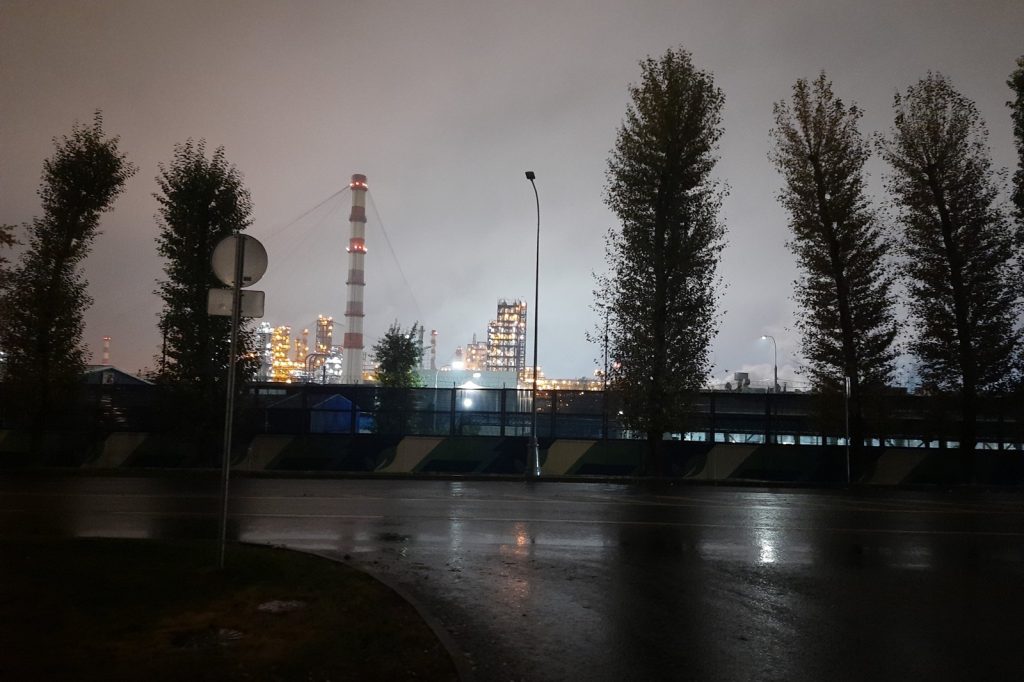
A top refinery in Moscow has now been struck twice. The second hit, on June 18, set it ablaze and damaged key equipment that will reportedly take until the end of the year to fix. Significant air defenses guard the capital, and the plant was hit anyway.
President Vladimir Putin’s verdict on the wider damage to Russian oil facilities: “not critical.” He has also brushed aside ceasefire proposals and says the war goes on until his goals are met.
A third of capacity
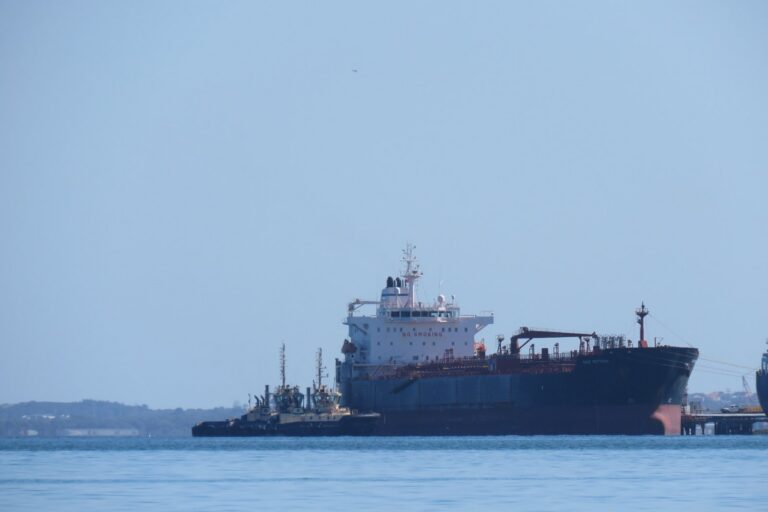
Chris Weafer, CEO of the consultancy Macro-Advisory, estimates that one-third of Russia’s refining capacity has been cut off, and says the damage will be lasting and costly to fix. Ukraine has carried out more than 50 reported attacks on refineries and other energy sites in Russia and occupied Crimea since March. Ukrainian leaders have said the aim is to push Moscow toward ending the war.
Government statistics show gasoline production down by roughly 17%, to 850,000 barrels a day. Many regions have introduced rationing, and motorists have waited hours in line. Crimea, which Russia illegally annexed from Ukraine in 2014, has had the worst of it, with gasoline sales to individuals halted at times. Until the end of the year, the government is permitting lower quality gasoline with higher sulfur content.
For millions of Russians, the war has come home. Putin has long presented it as something that does not touch ordinary people.
Putin’s response
At a meeting of government officials last weekend, Putin discussed the shortages. In televised remarks he admitted a “difficult period,” promised to speed up repairs of energy plants, and said Russia would consider importing gasoline to cover what he called “temporary” shortages. Arms makers, he added, would raise output of air defense systems.
He read the strikes as an attempt to split Russian society, halt Moscow’s offensive and force talks on “terms advantageous to our adversary.” Then: “We will not give them that chance.”
Putin also insists the strikes “have absolutely no effect on the situation at the front,” and that Russian forces are still advancing along a front line of roughly 1,000 kilometers (620 miles). Western military analysts see it differently. They say mid-range strikes on the Russian army in recent months have hurt its logistics and slowed its pace, producing a stalemate.
Talks go nowhere
Ukrainian President Volodymyr Zelenskyy offered to meet. Putin replied by inviting him to Moscow, which Kyiv will not accept. He has turned down a truce proposed by Kyiv and its Western allies, saying it would give Ukrainian troops a chance to rest and regroup. His conditions: Ukraine must pull out of the part of Donetsk it still holds, and any final settlement must bar it from NATO, cut its military and protect Russian language and culture.
In an interview with state TV last Sunday, Putin said Ukraine had proposed confining the fighting to the four regions Russia annexed without fully capturing: Donetsk, Luhansk, Kherson and Zaporizhzhia. He refused, he said. “Faced with a catastrophic shortage of personnel, the armed forces of Ukraine apparently believe this could be their salvation,” he said. “Saving the Kyiv regime is not part of our plans.” The Kremlin says the offer came through confidential channels, and Ukrainian officials have not publicly discussed any such proposal.
A Ukrainian offer to stop deep strikes on both sides’ territory got the same answer. Russian attacks deep inside Ukraine, Putin said, are “much more powerful, sensitive and, frankly speaking, destructive.”
Kyiv under fire
Overnight into Thursday, Russia pounded Kyiv for 11 hours and killed at least 30 people, among the deadliest attacks on the capital since the full-scale invasion began. Residential areas were struck once more, even as Moscow said it was aiming at military sites. Most Ukrainian strikes inside Russia, by contrast, have landed on oil facilities, weapons factories and other military targets. A United Nations tally lists more than 16,000 Ukrainian civilians dead.
On Friday, Zelenskyy again asked allies for interceptors against Russian ballistic missiles. “Day and night, the Russians strike ordinary civilian infrastructure, and terror is the only argument they have left for continuing the war,” he said.