
The money was borrowed. The road was planned. The land was chosen.
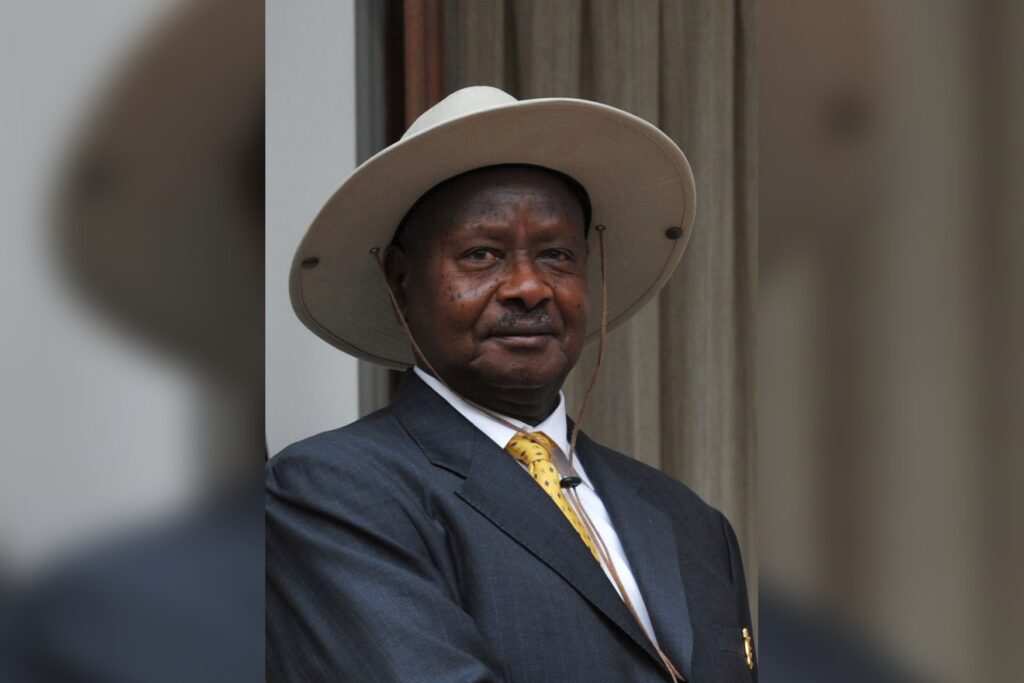
Then, somewhere along the way, the route changed. President Yoweri Museveni ordered the suspension of four staff members from Uganda’s Ministry of Works and Transport on July 4.
The reason, laid out in a presidential letter, traces back to a single, stark mismatch: the Busega-Mpigi Expressway was supposed to be finished. Instead, only 40 percent of the work is done. And all the money has been paid.
The timeline of how this happened is now the focus of a public crackdown. It begins with the loan.
The government borrowed from the African Development Bank to fund the expressway, a critical corridor meant to link Kampala to the country’s international airport. The project was budgeted at 600 billion shillings. That was the original number.
Then, according to the president, corrupt engineers altered the route. They avoided the path that had already been surveyed and compensated for. The land was already paid for.
Instead, they charted a new course. A course, Museveni wrote, that went through their own lands.
Lands that now required fresh compensation. That decision reset the financial clock. The cost ballooned.
The 600 billion shilling expressway is now being put at 1.3 trillion shillings. More than double.
And the project is stalled. Over half the work remains incomplete. There is no clear timeline for finishing it.
For families and commuters in the Kampala metropolitan area, the implications are not abstract. The expressway was supposed to ease chronic congestion on a vital road. Instead, that road remains clogged.
The project is stuck. The money is gone.
Museveni’s letter asked a direct question: “What happened?” His answer, embedded in the order to suspend the four staff members, points to a chain of deliberate decisions. First, the borrowing. Then, the route change.
Then, the cost overrun. Then, the stalled construction.
The president’s order signals a crackdown within the ministry. But the human side of this story is about trust. Public money meant for roads that serve millions was diverted through land deals that benefit a few.
The ordinary Ugandan pays the price. In wasted time. In higher costs.
In a project that may never deliver what was promised. The four suspended staff members have not been named in the report.
The details of their roles remain unspecified. But the sequence of events is clear. The government borrowed.
The engineers changed the route. The cost doubled.
The work stopped. The president ordered the suspensions. Behind this breakthrough in accountability is a simple question: where did the money go?
The answer, as the timeline suggests, is tied to land. Land that was avoided. Land that was newly chosen.
Land that needed fresh compensation. And a road that, for now, remains only 40 percent built.




