
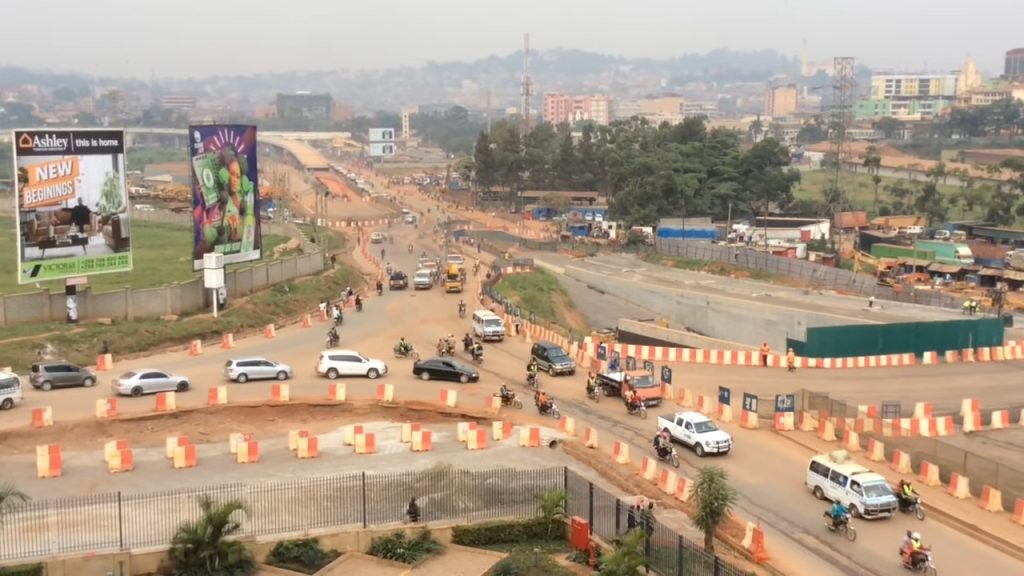
“The corrupt engineers altered the route of the road and avoided the route that was already compensated for and charted a new route going through their own lands that needed fresh compensation.” That is how President Yoweri Museveni explained, in a letter dated June 26, why a Ugandan highway has stalled with most of its work undone.
The letter went to Inspector General of Government Justice Aisha Naluzze Batoro. In it, Museveni suspended three engineers at the Ministry of Works and Transport: Edwin Raymond Kiyaga, Dickens Ahimbisibwe and Patrick Muleme. They are suspended while an investigation runs. He also told Permanent Secretary Waiswa Bageya to step aside for the duration of the probe, and Under Secretary Barbara Namugambe was named acting permanent secretary. The Inspectorate of Government will lead the inquiry with help from State House Auditor General John Tumwiine.
The accusation, as reported by Ugandan outlets that reviewed the letter, is that the engineers moved the Busega-Mpigi Expressway off its surveyed and compensated path onto a line crossing land in which they held personal interests. That triggered new, inflated compensation payments. Museveni wrote that a road once projected at 600 billion shillings was now priced at 1.3 trillion.
A project that kept growing
The expressway is 23.7 kilometers long with four lanes. It is meant to link Busega, on Kampala’s western edge, to Mpigi town, passing through 21 villages in Wakiso and Mpigi districts and easing congestion on the Kampala-Masaka highway. The plan also covers more than 20 kilometers of access roads, four interchanges and toll infrastructure, and it forms part of the Northern Corridor network that connects Kampala to Rwanda and the Democratic Republic of Congo.
Work started in May 2020 on an initial budget of roughly 547 billion Ugandan shillings, largely financed by the African Development Bank. Uganda borrowed 600 billion shillings from the bank to finish the whole road. Museveni said only about 40% of the work was done even though every shilling had been disbursed.
Then the price rose again. In December 2025, the bank approved extra financing of 217 million euros, roughly 909 billion shillings, according to Assistant Commissioner for Roads Godfrey Bihemaiso.
Scrutiny from several directions
The suspensions follow months of pressure. In March, Parliament’s Committee of Physical Infrastructure ordered its own probe after the cost climbed from an initial 464 billion shillings to more than 1.2 trillion. Committee chair Dan Kimosho warned that failing to hold anyone accountable could set a bad precedent for future infrastructure spending. The Ministry of Works has defended some of the increases as design changes needed for the road’s long-term functionality, which lawmakers said should have been foreseen and budgeted from the start.
In May, the Inspectorate of Government ordered enforcement action after finding people re-encroaching on land along the corridor, some of them after being compensated, and putting up new structures inside the road reserve. Deputy Inspector General Anne Twinomugisha Muhairwe said her office was dissatisfied with how the ministry handled it. “We were not satisfied with the explanation given. If there is encroachment, the ministry should have acted,” she told journalists after touring the corridor. The Inspectorate has also flagged inconsistent land valuations for parcels in the same place and period.
Days after the suspension letter, Muhairwe indicated that a follow-up inspection had largely satisfied the Inspectorate with the engineers’ initial explanations. She said concerns remained about illegal development in the corridor and possible manipulation of compensation claims, which suggests the investigation into the route changes is still going.
A wider shake-up
Ugandan media report that at least four senior technocrats at the ministry have been removed in recent weeks as Museveni responds to public complaints about the state of the country’s roads. It follows a restructuring that included the elevation of Fred Byamukama to Cabinet and the redeployment of Gen. Edward Katumba Wamala.
The African Development Bank currently backs 19 active public operations in Uganda worth about $2.2 billion, including this expressway and the Kampala-Malaba railway rehabilitation. Uganda is also seeking money for other large projects. Last month the Islamic Development Bank approved a 2.73 trillion shilling package for the Standard Gauge Railway. Analysts and diplomats tracking the borrowing say visible action against officials is likely meant partly to reassure lenders.
The Inspectorate has not given a timeline for finishing its investigation. None of the suspended engineers has responded publicly, and the Ministry of Works and Transport offered no comment beyond its earlier explanation about design revisions.




