
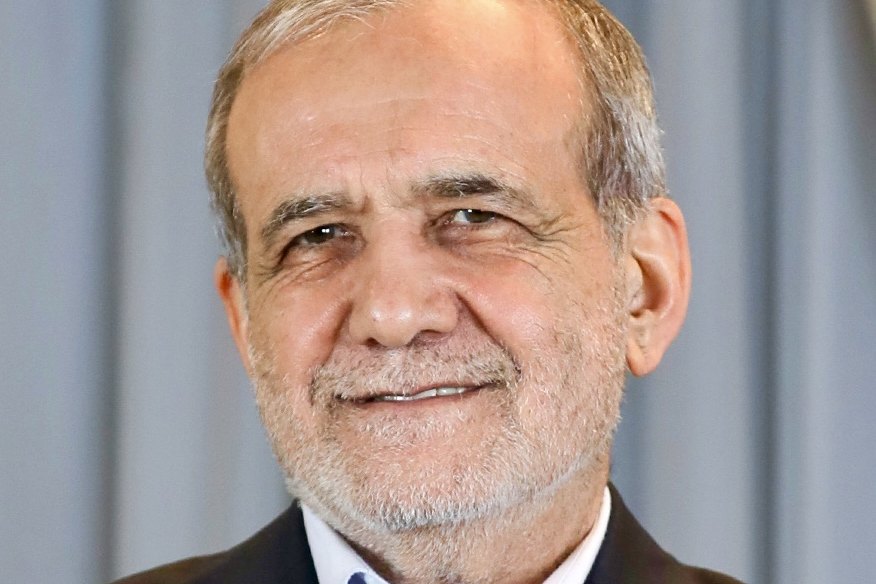
Iranian President Masoud Pezeshkian asked UN Secretary-General António Guterres for a bigger United Nations role in handling world crises. The two met on the sidelines of the Shanghai Cooperation Organization summit in Kyrgyzstan, WANA reported on 1 September.
Iranian media said Pezeshkian thanked Guterres for condemning what Tehran calls recent US and Israeli attacks on Iran.
Pezeshkian told Guterres that too many countries ignore international law. He cited the US strike on Iran, and the targeting of officials, civilians and infrastructure, as breaches of international law and humanitarian principles. He also complained of double standards. Countries that present themselves as defenders of democracy and human rights, he said, should answer for how they act.
Iran does not want conflict, he said, and continued fighting helps nobody. Ending the crisis would require Washington to go back to its commitments and respect Iran’s rights. Tehran, he added, would not accept threats or force.
He described Iran’s aim as stability in the region through engagement with its neighbors, with dialogue as the way to settle disputes. Some actions by the United States and Israel stand in the way, he said.
On Gaza and Lebanon, Pezeshkian called the humanitarian situation alarming. He urged the international community not to let states break international law just because they have more military power.
Guterres: diplomacy, not force
Guterres said he has consistently pushed for the rule of law, peace and fewer conflicts. His stance on the Iran conflict, he told Pezeshkian, rested on the need for a peaceful, diplomatic solution.
He said he believed Israel had drawn the United States into a war with Iran, with the aim of weakening Iran. He also said he was the only UN secretary-general to condemn the attack on Iran at the Security Council, and that the stand had cost him heavily in pressure and consequences.
The UN had welcomed the recent agreement to end the war as an important political achievement, Guterres said, though the process later ran into difficulties. He hoped the conflict would end soon and praised Pakistan for acting as mediator between the parties and regional countries. Continued diplomacy and regional cooperation, he said, could open the way to lasting peace, stability and security.




