
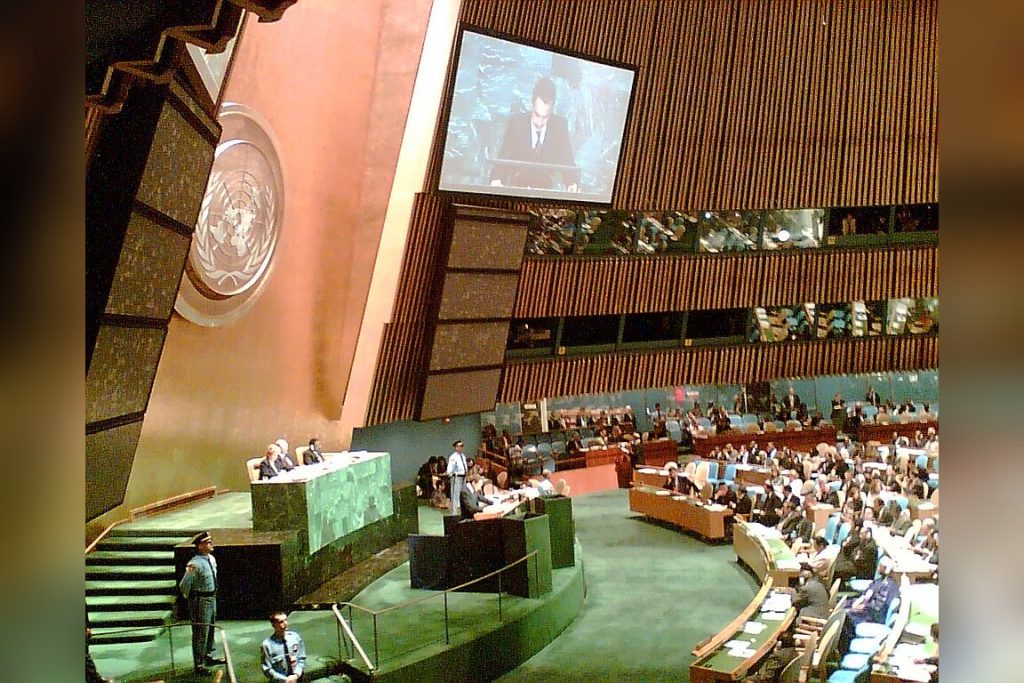
GENEVA, Sept. 2 — A United Nations process to forge a legally binding treaty on plastic pollution has been extended into a fourth negotiating round, with member states scheduled to convene from 13 to 24 March 2027. The decision follows a resumed session held on 7 February 2026 at the CICG in Geneva, where delegates elected a new Chair, Ambassador Julio Cordano of Chile, but adjourned without consensus.
The negotiating marathon traces back to 2 March 2022, when 175 countries at the UN Environment Assembly adopted the resolution “End plastic pollution: towards an international legally binding instrument.” That mandate directed the UNEP Executive Director to convene an International Negotiating Committee (INC) to develop an instrument addressing the full life cycle of plastics, with the ambition of completing work by the end of 2024. That deadline has since slipped.
The INC’s first session took place in Punta del Este, Uruguay, from 28 November to 2 December 2022. France hosted the second round in Paris from 29 May to 2 June 2023, electing a Bureau that included Georgia, Estonia, Sweden, and the United States. INC-3 was held at UNEP headquarters in Nairobi, Kenya, followed by INC-4 in Ottawa, Canada, from 23 to 29 April 2024.
The fifth session ran from 25 November to 1 December 2024 in Busan, Republic of Korea, and resumed as INC-5.2 in Geneva from 5 to 15 August 2025, again without consensus. The road to the current framework was itself a diplomatic negotiation.
A September 2021 Ministerial Conference on Marine Litter and Plastic Pollution in Geneva led Peru and Rwanda to present a draft resolution backed by more than 60 member states. Japan proposed an alternative the following December, and the two texts were merged before UNEA-5.2. An ad-hoc open-ended working group met in Dakar, Senegal, in May 2022 to prepare draft rules of procedure.
Earlier groundwork included the 2017 establishment of the Ad-hoc Open-Ended Expert Group on marine litter and microplastics, extended at UNEA-4 and concluded ahead of UNEA-5 in 2021. In the intersessional period leading up to INC-5.4, the Chair is maintaining correspondence with member states and stakeholders. The Geneva Environment Network has been supporting actors through the Geneva Beat Plastic Pollution Dialogues.
Voluntary initiatives have raised political momentum, but officials and observers say they remain insufficient. Efforts have been fragmented and focused on downstream measures; actors from academia, civil society, the private sector, and international organizations have called for a systemic, legally binding approach.
Plastic pollution is also being addressed in other fora, including the Basel, Rotterdam and Stockholm Convention, UN Ocean Conferences, the World Trade Organization, and the Special Procedures of the Office of the High Commissioner on Human Rights. What to watch next is whether the March 2027 round can clear the procedural hurdles that have stalled consensus since Busan, and whether the venue announcement for INC-5.4 signals a shift in negotiating dynamics.




