The shift in nuclear diplomacy is not in the warheads but in the switchboard. What was once essentially a two-capital conversation between Washington and Moscow now runs through treaties, agencies, summits and back channels all at once, with more states holding a line than at any point since the Cold War. The trend underneath the headlines is plumbing, and the plumbing is what keeps a threat from becoming a launch.
The formal layer is Track 1, government speaking to government. “Track 1 Diplomacy refers to official diplomacy, where communication is directly between or among governments”, as the Nuclear Threat Initiative lays it out, spanning bilateral summits, United Nations forums and treaty regimes like the Non-Proliferation Treaty. Verification sits with the International Atomic Energy Agency, headquartered in Vienna, while the Security Council and the General Assembly’s First Committee on Disarmament and International Security debate the global norms. The five recognised nuclear-weapon states run from the United States and Russia to China, France and the United Kingdom, with India, Pakistan, Israel and North Korea also in the game. It is “a high-stakes field where the language of power is spoken in terms of warheads, enrichment levels, and verification regimes”.
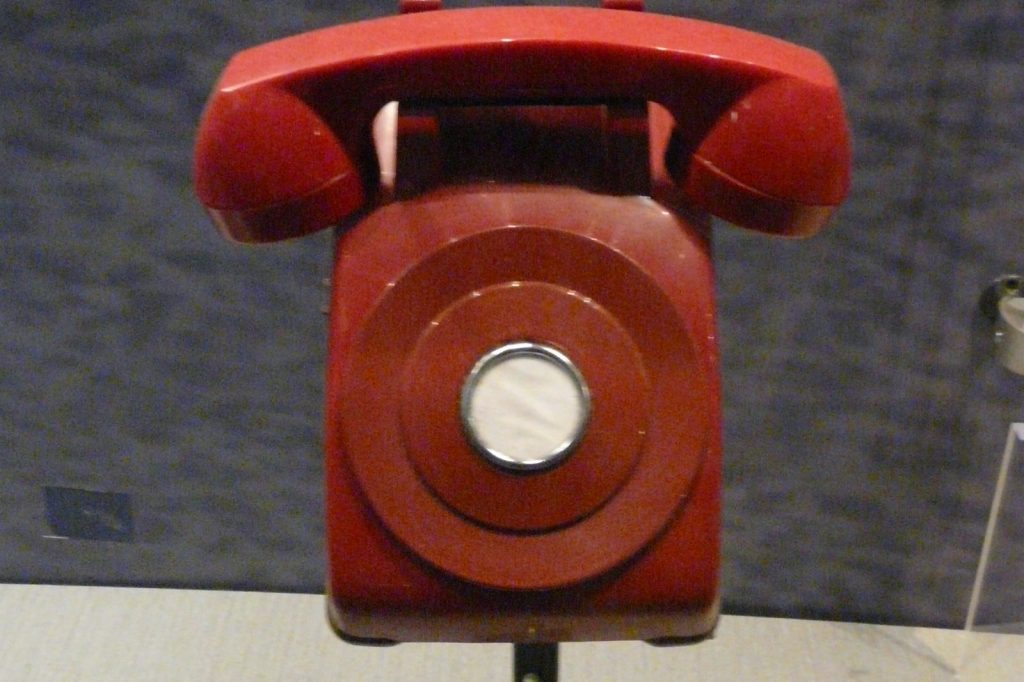
The history explains the architecture. The nuclear age opened with the bombing of Hiroshima on 6 August 1945, and the first phase was secrecy and a frantic arms race. The 1962 Cuban Missile Crisis, in Diplo’s retrospective “a terrifying brush with nuclear war”, produced the Moscow-Washington hotline and, the following year, the Limited Test Ban Treaty. The Cold War’s end brought deep arsenal reductions, but the 21st century has added new nuclear powers and eroded some of the old treaty scaffolding.
Then there is the layer most readers never see. Track 1.5 brings government representatives and outside experts into the same room in less formal settings; Track 2 is scientists and former officials talking on their own, and it often lays the groundwork for official agreements. The Washington-based Center for Strategic and International Studies hosts the China-U.S. dialogue on strategic nuclear dynamics, precisely the kind of channel that keeps two rival arsenals legible to each other.
Why it matters is survival math: “This is not just about treaties; it is about building channels of communication to prevent catastrophic miscalculations between nuclear-armed states”. Regional partnerships add their own guardrails, with nuclear-weapon-free zones in Latin America and Africa. Watch this space, because every new nuclear actor multiplies the channels required, and the quiet machinery, hotlines to Track 2 retreats, is doing the loading.