
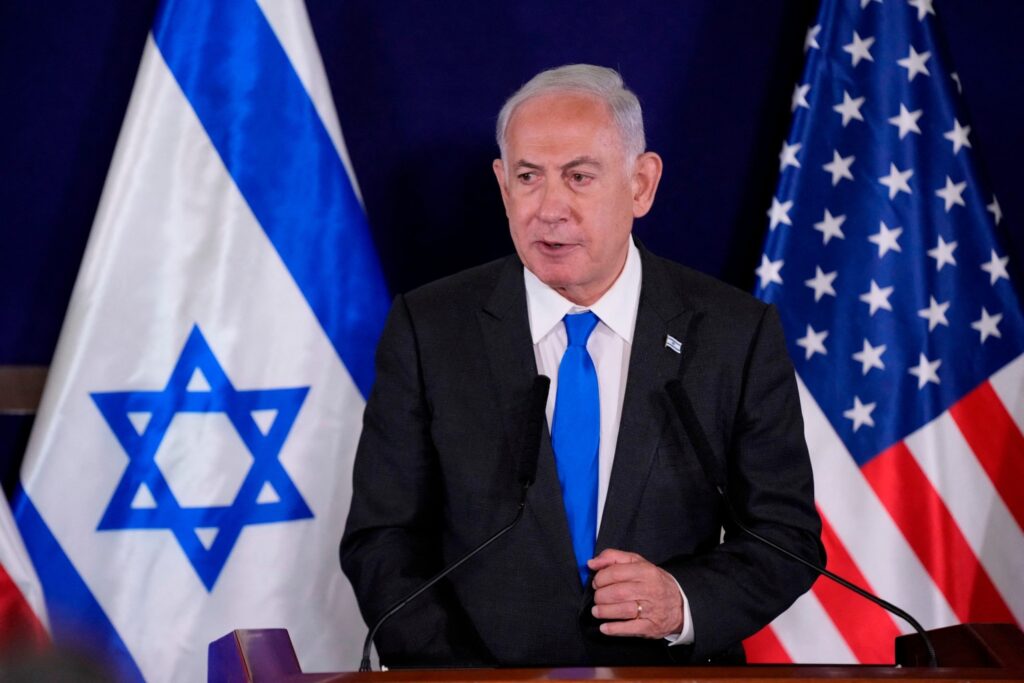
“Together we will complete the mission!” Benjamin Netanyahu wrote after Donald Trump endorsed him in the final stretch before Israel’s October 27 election. The mission he meant was Iran.
The two leaders had launched the war on Iran jointly in February. Trump agreed to a ceasefire in April, citing wide opposition at home and worry over rising oil prices. Israeli voters then had to decide whether the man who pushed for that war should keep running the country.
A campaign built around Iran
Trump’s endorsement came in a post praising Netanyahu as “Strong, Brave, and Brilliant” and offering his “Complete and Total Endorsement of Bibi Netanyahu in his upcoming Race for Re-Election.” Netanyahu, who turned 77 on October 21 and is Israel’s longest-serving prime minister, went further on television. He said Trump had brought “a friendship that has never existed before between an Israeli prime minister and an American president.”
Then he raised the prospect of restarting the fighting. Netanyahu said he had “already instructed the Mossad and the IDF to bring down this regime, to bring down this regime because that is the only way to put an end to this threat.” Trump’s own message told voters they must “finish the job that we started.”
The White House took a more careful line. Deputy Press Secretary Anna Kelly said Iran faces severe economic and military constraints, and that the United States would not attack before its November 3 midterm elections. In Tehran, Foreign Minister Abbas Araghchi accused Netanyahu of “driving America into another war.”
The challenger and the polls
Gadi Eisenkot, a former military chief of staff who leads the centre-right Yashar party, was Netanyahu’s main rival. He called the campaign one of “fear-mongering, lies, and threats, including images of nuclear bombs in the heart of Tel Aviv.” Eisenkot praised Trump as “a true friend of Israel” but added that “only Israelis can choose their leaders.”
Polls showed a close race. Neither Netanyahu’s bloc nor Eisenkot’s camp held the 61 seats needed for control of the 120-seat Knesset. Khaleej Times reported that Likud might lose seats yet his coalition of right-wing, far-right and ultra-Orthodox parties could still keep a narrow majority. France 24 noted that many Israelis were disappointed with Trump over how the Iran conflict turned out and over his ceasefire.
More than one reckoning
The vote was Israel’s first since the Hamas attack of October 7, 2023. Opposition politicians blame Netanyahu for that security failure and say he ignored earlier warnings. Corruption charges against him, which could carry prison time, remain unresolved.
Netanyahu has survived before. Since 2009 he has been out of office only once, after four inconclusive elections in two years, and he returned 18 months later. In the US, the Iran war stayed deeply unpopular, partly because of higher fuel prices, and major combat operations had been suspended for months while ceasefire talks went on without Israel.
Sources
- Trump endorses embattled Israeli PM Netanyahu ahead of October 27 election
- Netanyahu touts Trump endorsement ahead of election, suggests restarting war on Iran




