
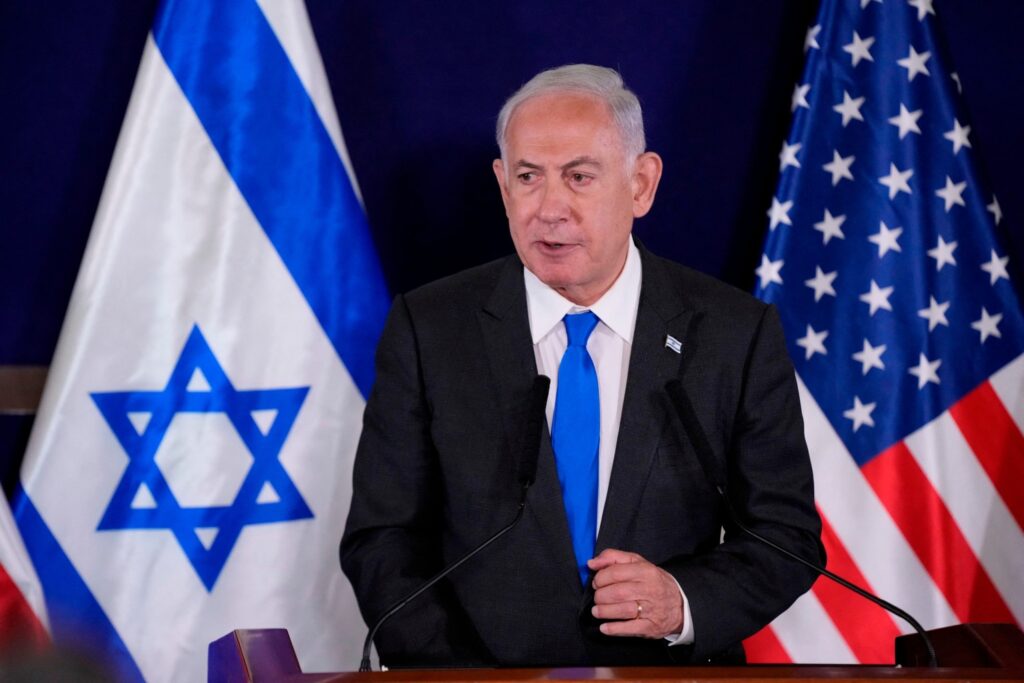
“We are changing the face of the Middle East,” Benjamin Netanyahu said in March. By mid-June, that line was starting to sound hollow, according to a Middle East Online analysis of his election prospects.
The reason is Washington. President Donald Trump has chosen to bring the wars in Iran and Lebanon to a close well before Israel’s aims were met, through an interim US deal with Iran. Israelis will go to the polls this autumn, in an election that must be called by October, and many of them will be grading how their prime minister handled those wars and the relationship with Israel’s closest ally.
Netanyahu, 76, confirmed that same week that he intends to run again.
Polls against him, history for him
Opinion polls put his right-wing coalition on course to lose. Yet Israelis know the record. He has dominated the parliamentary system for long stretches since the 1990s, and few would rule out his stitching together another government.
He is Israel’s longest-serving prime minister, once called “King Bibi” by supporters, and to critics the target of what the report calls boundless fury. Already hanging over him are corruption allegations, domestic controversies and criticism of the security failings before the October 7, 2023 Hamas attack. He has not taken responsibility for those failings.
The wars brought military successes without lasting victories. Tens of thousands of people have been killed in Israeli strikes in Gaza and Lebanon, and Israel’s military death toll is the highest in decades. The killings of Hezbollah leader Hassan Nasrallah and Iran’s supreme leader, Ayatollah Ali Khamenei, were celebrated in Israel. Even so, Hamas still controls much of Gaza, Hezbollah has survived in Lebanon and clerics still rule Iran.
Opposition leader Yair Lapid put it bluntly after Trump imposed a new Israel-Hezbollah truce as part of the Iran deal: “Netanyahu lost the war. Netanyahu did not deliver; at the moment of truth he collapsed.”
Netanyahu rejects that. He calls such criticism a campaign to shrink Israel’s achievements and says that without early and overwhelming action against Iran, “we would not be here today.”
A long career
Born to a prominent historian, Netanyahu went to school in the US, then served in the same elite commando unit as his older brother Yoni, who died leading the rescue of hijacked passengers at Entebbe, Uganda, in 1976. Netanyahu has said the event “changed my life.”
In 1996 he became Israel’s youngest prime minister, assembling a coalition of settlers, security hawks, the ultra-Orthodox and pro-business voters. Rivals fell away; so did former allies. In 2022, with a corruption trial hanging over him, he won an unprecedented sixth term and brought in nationalist parties with an openly expansionist agenda. Their push to curb the Supreme Court set off the biggest protests in Israeli history in 2023.
The Abraham Accords of 2020, agreements to normalise or expand ties with four Arab countries, were meant to be his legacy. He hoped for peace with the Arab world without accepting Palestinian self-determination. The Hamas attack and the Gaza war ended that prospect. With Israel’s standing in the West badly dented, the report says, his legacy will be far more bitterly contested.




