Ambrey, a maritime security consultancy, counts 45 merchant vessels struck outside the old war-risk area over 12 months. Thirty-one of those hits came after July 1, 2026. The figure helps explain why Black Sea shipping is in trouble, according to an analysis on the BRICS portal by Uriel Araujo, a social scientist who writes on ethnic and religious conflicts.
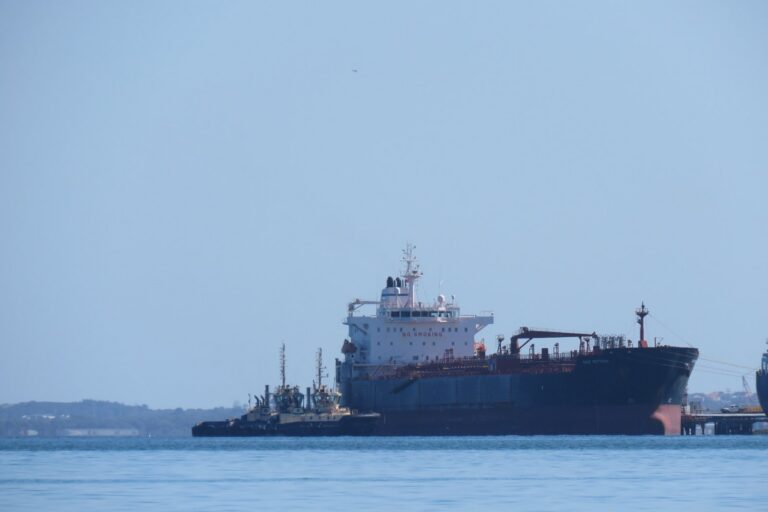
Araujo argues that Ukraine has widened its attacks on Russia’s Black Sea Fleet, ports, oil facilities and ships tied to Russian trade. Grain, oil, fertilizers and other commodities cross these waters, including cargo bound for countries that are not parties to the war. Commercial vessels face more risk, insurance costs have climbed and tanker freight rates have jumped. This lands on a global economy already coping with disruption in the Red Sea and the Strait of Hormuz.
How the targets widened
S&P Global reported on October 9 that tanker freight rates rose sharply as attacks, sanctions and security worries disrupted Russian energy exports. Ambrey said Kyiv had moved beyond naval assets and oil infrastructure to merchant ships trading with Russian ports.
The timeline, as Araujo lays it out, runs like this. By November 2025, attacks had reached commercial vessels, mainly oil tankers, on the open sea. In May 2026, Ambrey blamed Ukrainian naval drones for strikes on three Russia-linked tankers inside Turkey’s exclusive economic zone. By July, dry-bulk carriers, general cargo ships, container ships and roll-on/roll-off vessels were being targeted too. In September, insurers enlarged the high-risk zone. Ambrey concluded that strikes attributed to Ukraine on Russia-linked shipping far offshore helped push insurers’ perception of risk higher across the whole sea.
Russia has also struck targets in the Black Sea. Modern Diplomacy reported that Moscow has made any Black Sea truce conditional on Kyiv ending attacks on Russian energy infrastructure.
The author’s view
Araujo describes the conflict as a proxy war of attrition with a sharp imbalance. Russia has the larger population, defense industry, air force and navy, and Global Firepower’s 2026 ranking has it second and Ukraine twentieth. Ukraine, he writes, has built strong drone and long-range strike capacity but depends heavily on Western assistance.
He also points to a Ukrainian drone campaign in August against Russian and Iranian-linked vessels in the Caspian Sea, which he says risked pulling a Russia-Iran logistics corridor into the fighting. Ukrainian attacks on Russian energy facilities continue under political pressure, he notes, and he cites a remark from Donald Trump that it is “time for Ukraine to get new President.”
His forecast is bleak. Araujo calls President Volodymyr Zelensky a “wild-card” and warns of a spiral that could damage Ukraine and the global economy. In his reading, the effects on food, energy and fertilizer trade are already visible. These are his opinions, and the BRICS portal published them as an analysis piece.