
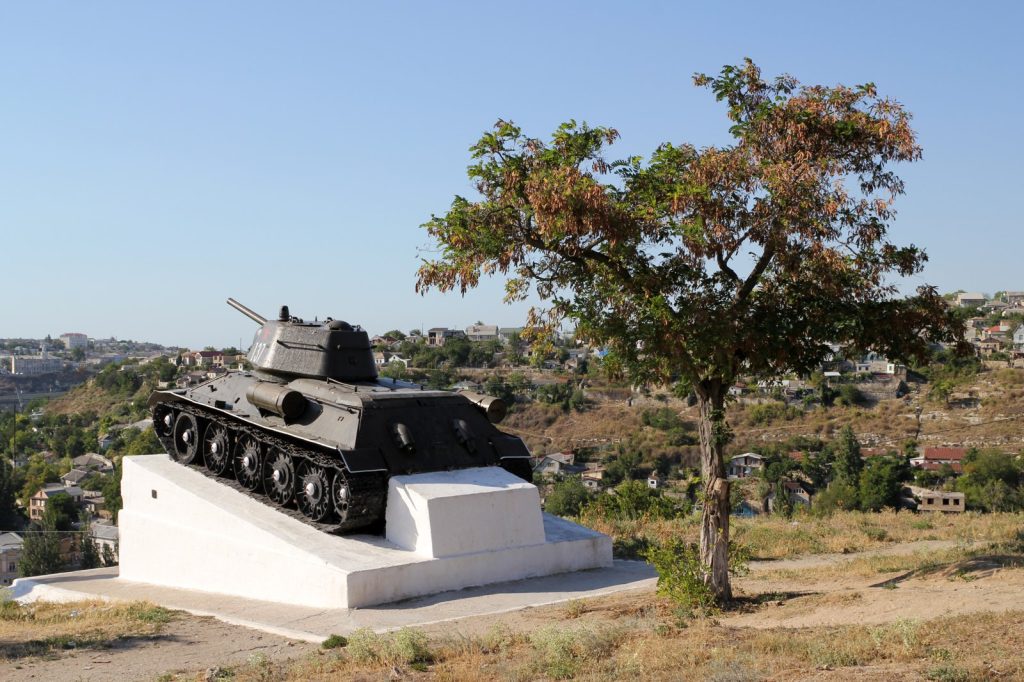
The long, grinding struggle for control of the Black Sea has entered a decisive new phase, and the epicenter of this high-stakes campaign is the historic Crimean port of Sevastopol. Once a secure rear base for Russia’s Black Sea Fleet, the facility has become the primary target of Ukraine’s military strategy — a trend that shows no sign of slowing as of mid-2026. The base, which has served as the fleet’s headquarters since the 18th century, was fully integrated into the Russian military structure after Moscow’s annexation of Crimea in March 2014.
For the Kremlin, Sevastopol is far more than a minor outpost. It hosts major warships, submarines, and naval aviation assets.
Its location gives Russia the ability to project power across the Mediterranean and sustain operations in Syria. Loss of the base — or even severe degradation of its capabilities — would represent a strategic catastrophe for Moscow. Ukraine has made that degradation a clear and explicit objective.
A Deliberate and Escalating Campaign
The pattern of Ukrainian attacks on Sevastopol is neither random nor opportunistic. It reflects a deliberate, escalating strategy. On October 29, 2022, a drone strike hit the base, damaging the frigate Admiral Makarov and a minesweeper.
That strike served as an early warning of what was to come. Satellite images captured in August 2023 revealed further damage, this time to dry docks and repair facilities.
The trend underneath these strikes is unmistakable: Ukraine is systematically targeting not just the fleet at sea, but the base’s ability to maintain and repair its vessels. By hitting dry docks and repair infrastructure, Ukraine aims to keep Russian ships stuck in port indefinitely. For a navy that relies on Sevastopol as its primary maintenance hub, this is a slow, hard-to-stop bleed that steadily reduces operational readiness. What began as a symbolic strike in 2022 has evolved into a persistent campaign of attrition.
The dry dock damage from 2023 is a concrete example of a long-term strategy: degrade the repair capacity, and the fleet’s ability to stay at sea declines steadily over time.
The Defensive Shell and Wider Ripple Effects
Sevastopol is not undefended. Russia has layered air defense systems around the base, including the advanced S-400 missile systems designed to intercept aircraft, drones, and missiles.
Yet the repeated successful Ukrainian strikes suggest a significant gap between the theory of this defensive umbrella and its real-world performance. That gap appears to be widening, and analysts expect further evidence of its exploitation in the coming months. The consequences of these strikes extend far beyond Crimea.
The base’s role in supporting Russian operations in Syria means that every successful Ukrainian attack on Sevastopol creates a ripple effect that complicates logistics, ties up naval assets that might otherwise be deployed elsewhere, and forces the Russian navy to operate from secondary ports that lack the same infrastructure and capacity. For Moscow, the resulting strain on supply lines and operational flexibility is a mounting problem.
History and Long-Term Stakes
To understand the stakes, one must appreciate Sevastopol’s historical and strategic weight. The city is a major Black Sea port and the largest in Crimea. It was founded in 1783 specifically as a base for the Russian Empire’s Black Sea Fleet.
Its sheltered harbors made it a natural naval stronghold from the start. During the Cold War, the city was closed to outsiders because of its military role.
Today, the base is used by the Russian Navy, though it is recognized internationally as part of Ukraine under Russian occupation. Russia occupied Sevastopol in early 2014 before formally annexing Crimea that March. The base has remained the main home of the Black Sea Fleet since the 18th century.
Sevastopol’s location gives it outsized strategic weight, anchoring Russian military activity in the region and supporting naval reach into the Mediterranean. For readers, the port’s status explains why control of Crimea remains a central fault line in the wider conflict.
The coming months will determine whether Ukraine can sustain this pressure and whether Russia can adapt its defenses fast enough. If Sevastopol falls into a state of permanent dysfunction, the consequences for Moscow’s Mediterranean ambitions and Syrian logistics will be severe. That is the trend to watch as the campaign of attrition continues.




