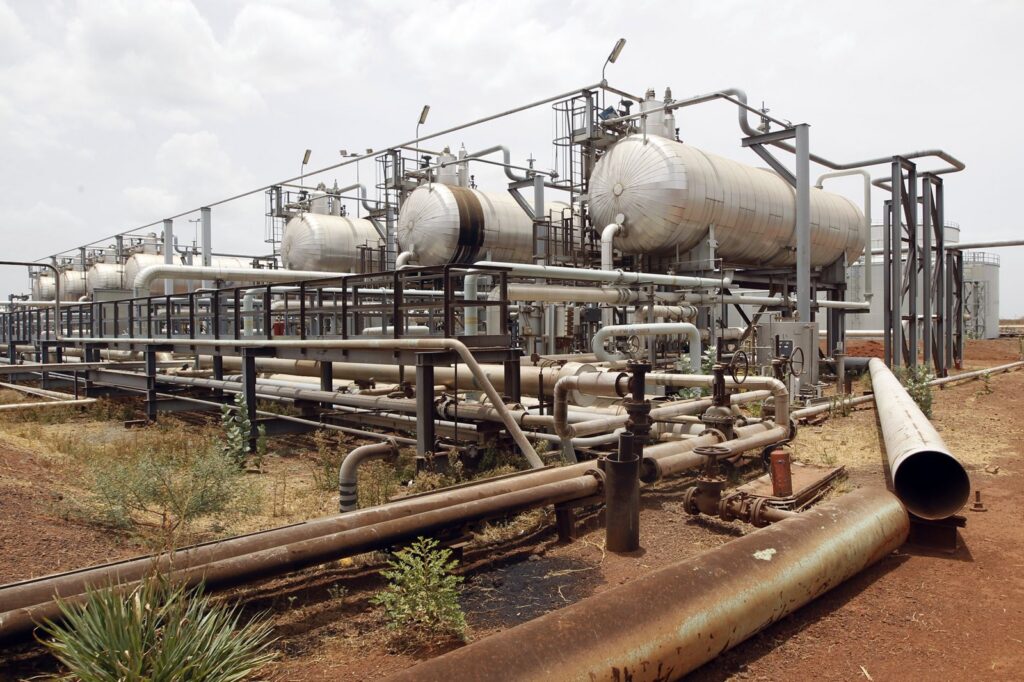
Every litre of petrol in a family’s tank has already crossed a lot of ground. It started in a reservoir, rode a tanker or pipeline, and was cooked into fuel at a refinery before it reached the pump. The people who pay the bill at the end of that chain rarely see any of it.
The industry splits its work into three parts. Upstream covers exploration and pulling crude out of the ground. Midstream moves and stores it, mostly by tanker and pipeline. Downstream refines the crude and sells the results through retail networks. Fuel oil and gasoline are the biggest products by volume, but the same crude also feeds pharmaceuticals, fertilizers, solvents, pesticides, synthetic fragrances and plastics.
Thousands of years, one commodity
People used raw petroleum for more than 5,000 years, mainly to keep fires going and to fight wars. Its place in the wider economy grew slowly. Whale oil lit homes in the 19th century, and wood and coal still did the heating and cooking well into the 20th. Then someone found that kerosene could be drawn from crude and burned for light and heat. Demand jumped, and by the early 1900s oil was the most valuable commodity on world markets.
Today the world burns through about 36 billion barrels a year. How much of the energy supply depends on oil depends on where you live: 32 percent in Europe and Asia, 40 percent in North America, 41 percent in Africa, 44 percent in South and Central America and 53 percent in the Middle East. The United States alone used 18 percent of the oil produced in 2015. Taken together, producing, shipping, refining and retailing petroleum is the largest industry on the planet by dollar value.
What comes out of a refinery
Refiners turn crude into gasoline, diesel and jet fuel, and also into heating oil and asphalt for roads. The shelf goes further than that. Companies in the refining and marketing business also sell road salt, clay and gypsum, and they feed plants that make fertilizer, which ends up on farms that feed whole regions.
Whether a refiner makes money comes down to the margin, the gap between what it pays for crude and what it gets for finished fuels. That gap swings hard. It follows stockpiles of petroleum products, demand, imports, regional differences and how fully refineries are running. The mix of the crude itself matters too, light against heavy and sweet against sour. Refiners are also prone to unplanned outages.
For now the picture looks healthy. In a note dated October 28, 2026, Zacks Equity Research said strong fuel demand and favourable margins are lifting earnings in the sector, with industry estimates for 2026 and 2027 up sharply over the past year. It named Marathon Petroleum, PBF Energy and Phillips 66 as the stocks to watch. Many refiners also run pipelines, storage and retail outlets, which gives them extra income when refining conditions turn.
Sources
- Petroleum industry
- Petroleum industry focus of Farmington economic breakfast
- Zacks Industry Outlook Highlights Marathon Petroleum, PBF Energy and Phillips 66
Photo: VOA (Public domain)