
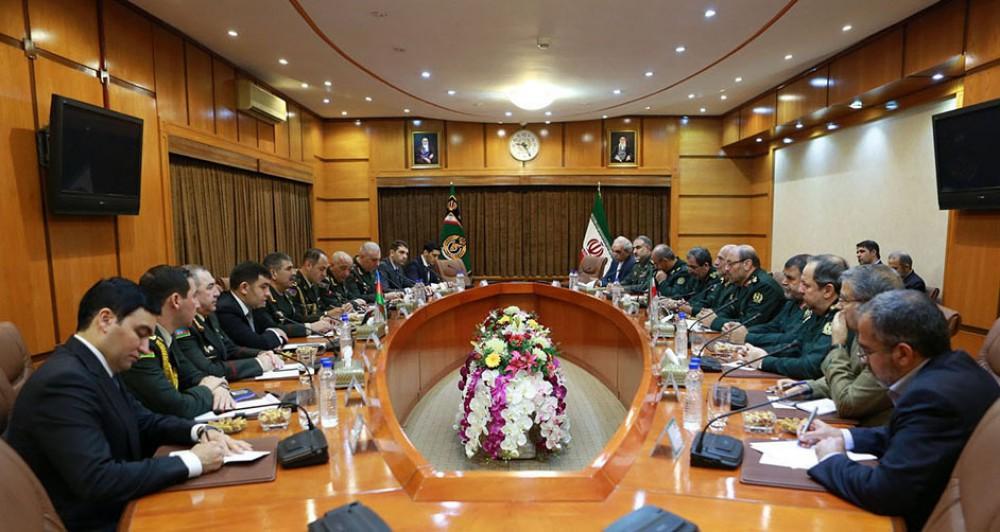
Here is the plain-language version of who really makes Iran’s security calls. When a major decision on war, diplomacy or the nuclear file comes out of Tehran, it normally passes through one body: the Supreme National Security Council, or SNSC. It dates to the constitutional revision of 1989, meets in Tehran and has 13 seats.
What it is for
The constitution gives the council three jobs. It sets defence and national security policy within the broad lines laid down by the Supreme Leader. It coordinates the political, intelligence, social, cultural and economic sides of that policy. And it draws on the country’s material and intellectual resources to face threats at home and abroad. It also shapes nuclear policy, though that policy only becomes effective once the Supreme Leader confirms it. The council’s secretary was Iran’s chief nuclear negotiator until 5 September 2013, when talks moved to the foreign ministry.
The key point is the last step. Article 176 of the constitution has the president preside over the council, yet its decisions take effect only after the Supreme Leader signs off. Iran International made the same point in August 2026: resolutions on defence, intelligence and foreign policy are binding only once the leader approves them. Today that leader is Mojtaba Khamenei.
Who sits on it
The chair is the president, Masoud Pezeshkian, in the job since 28 July 2024. Around the table are the parliament speaker, Mohammad Bagher Ghalibaf, two representatives of the Supreme Leader, Mohsen Rezaei and Saeed Jalili, and the IRGC chief, Ahmad Vahidi. Cabinet ministers whose briefs are on the agenda join as temporary members, with a vote only when the subject concerns them.
The secretary runs the day-to-day work and is appointed by the president by decree. The job has turned over fast this year. Wikipedia records that Ali Larijani held it until his assassination on 17 March 2026. Mohammad Bagher Zolghadr replaced him on 24 March and stayed until 9 August 2026, when Rezaei took over.
Why the reshuffle matters
Iran International called Zolghadr’s exit revealing: he lasted under five months in a job normally held for years, and Pezeshkian was said to have asked him to remain. Zolghadr voted in favor of the Memorandum of Understanding with Washington, the outlet said, while Rezaei had publicly questioned it. Rezaei ran the IRGC between 1981 and 1997, set up its intelligence arm and has served as Mojtaba Khamenei’s military adviser since March. In the paper’s reading, the change moves the council closer to the leader’s own circle.
Rezaei is also the voice the council now has in public. On 30 October 2026 he wrote on X that Europe was “whining about billions the war with Iran is costing it,” according to Press TV. German Chancellor Friedrich Merz had said that day that higher energy prices tied to the war had added more than 100 billion euros to Europe’s bills across eight months.
Sources
- Tehran's reshuffle leaves no pragmatic opening
- Iran's top security official to Europe: War and terror come at a price; you are now paying the bill




