
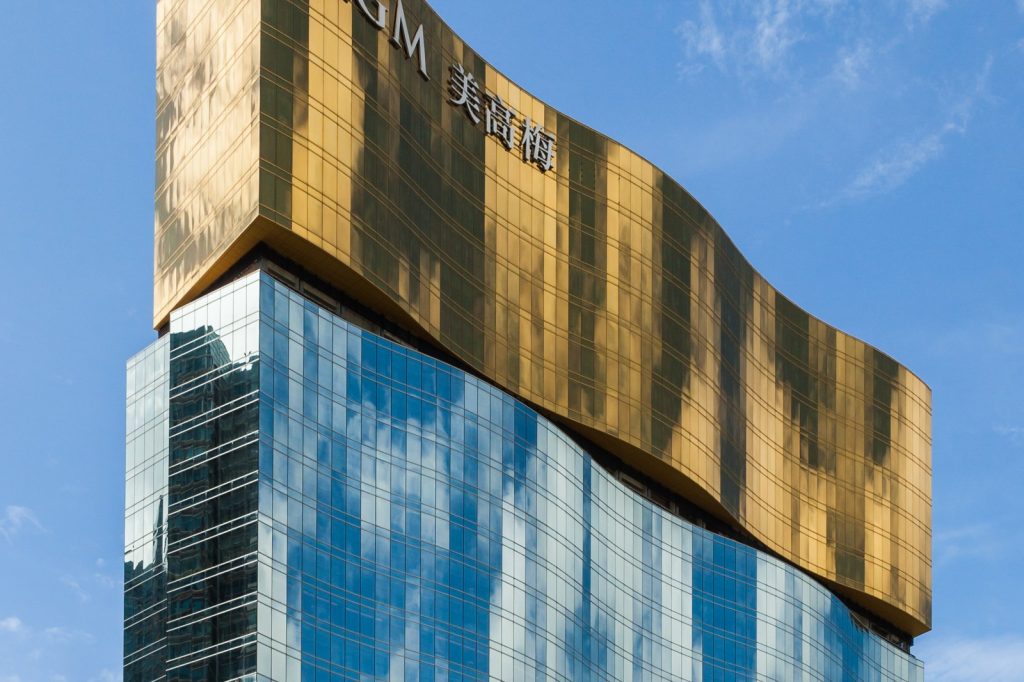
On 5 February 2020 the Macau government ordered a complete cessation of commercial activity, including the city’s famed casinos, and kept the shutdown in force until 20 February. At the time the region had recorded only ten confirmed coronavirus cases, yet officials chose a pre‑emptive halt to what was then a largely untouched pandemic.
This decision marked the first instance of a prolonged, non‑weather‑related closure in Macau’s recent history; the previous longest shutdown lasted just 33 hours during a 2018 typhoon. The rationale behind the unprecedented move was a public‑health calculation: the potential spread of the virus through densely packed gaming floors, dealers and tourists was judged to outweigh the certainty of economic loss from a full closure. The resulting financial impact was stark.
February 2019 saw casino revenues of 25.4 billion patacas, while February 2020 recorded a mere 3.1 billion patacas – an 88 percent plunge, equivalent to a loss of roughly 387 million US dollars. This drop illustrates how a single government directive can virtually erase income in an economy that is heavily concentrated on gambling.
When the doors reopened on 20 February, the scene was not a return to normalcy. Global cases continued to rise, travel restrictions tightened, and the primary source of visitors—tourists from mainland China—remained scarce. The administration signaled its willingness to re‑impose restrictions should infections increase, leaving the industry to navigate a landscape of intermittent operations, reduced capacity and heightened vigilance.
Analysts note that the 3.1 billion patacas earned during the February 2020 window likely represent a floor rather than a temporary dip; the 22.3 billion pataca gap between February 2019 and February 2020 is considered unrecoverable. Gambling revenue is intrinsically time‑sensitive; empty tables and idle chips cannot be sold at a later date.
Consequently, the financial loss was not merely postponed but permanently incurred. The episode underscores a broader lesson for the global gambling sector: even the most sophisticated and well‑funded operations are vulnerable to public‑health emergencies. Marketing initiatives, loyalty schemes and luxury amenities cannot offset a mandatory shutdown. Macau’s gamble—to accept a short, sharp closure in hopes of containing the virus and enabling a quicker rebound—appears to have limited the spread, given the low infection count at the time.
However, the economic cost was severe, and the experience raises the question of whether the industry can endure another similar directive. Looking ahead, Macau’s experience serves as a cautionary tale for other gambling hubs.
Future health crises may compel authorities to repeat such decisive actions, forcing the sector to confront the same trade‑off between public safety and economic continuity. The February 2020 shutdown remains a vivid illustration of how quickly a thriving, single‑industry economy can be halted, and how the repercussions of that pause can echo long after the virus itself recedes.




