
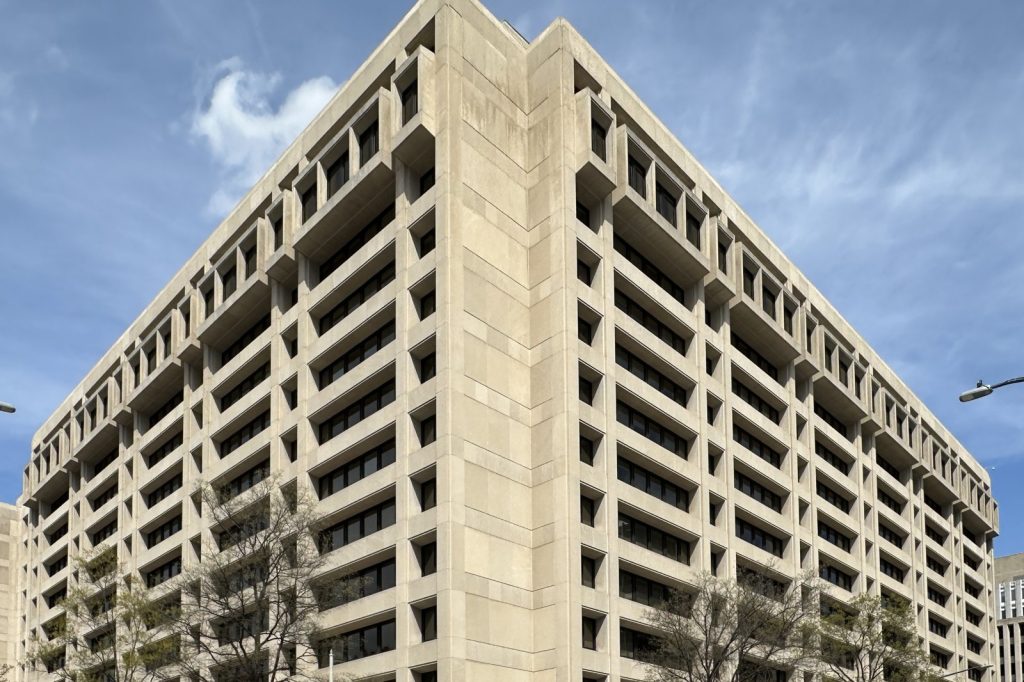
Governments around the world are now confronting the economic fallout of the coronavirus pandemic, and the International Monetary Fund (IMF) and the World Bank have announced that they stand ready to provide financing. By 28 February 2020, the virus had been confirmed in more than 83,000 individuals and had caused nearly 3,000 deaths globally. In response, the two Washington‑based institutions have already prepared contingency measures and are urging any nation in need to request assistance.
IMF spokesperson Gerry Rice confirmed that the fund possesses a suite of financial tools specifically designed for shocks such as epidemics and natural disasters that can disrupt balance‑of‑payments positions. “Capital is available for any state that asks,” he said, underscoring that the offer is a tangible safety net rather than a theoretical promise. The backing is intended to offset the rapid decline in revenues that many countries are experiencing as factories pause production, travel bans curb tourism, and schools remain closed.
China, where the outbreak began, has already received strong endorsement from both institutions. The pandemic has forced many Chinese factories to operate at reduced capacity or shut down altogether, sending ripples through global supply chains. Asian markets have felt the shock; for example, Japanese asset values have slipped, and stock exchanges worldwide are bracing for what analysts compare to the most turbulent week since the 2008 financial crisis.
The scale of the current crisis distinguishes it from previous emergencies. While the IMF and World Bank have long financed responses to localized floods or single‑country disease outbreaks, the coronavirus is simultaneously striking dozens of economies. This breadth could stretch the institutions’ resources, making the speed of government requests a critical factor. Delays in tapping the available loans may exacerbate business losses, increase unemployment, and further strain already stretched public‑health budgets.
Every week without a formal request translates into additional economic damage: firms continue to operate at a loss, workers remain idle, and fiscal pressures mount. The virus’s trajectory shows no sign of abating; case numbers and fatalities keep rising, travel restrictions persist, schools stay shut, and market volatility remains high. While the IMF and World Bank cannot halt the spread of the disease, their lending capacity offers a means for countries—especially those with fragile economies and limited health infrastructure—to manage the aftermath.
Both institutions have emphasized that their contingency plans are already in place and that the relevant lending instruments are primed for rapid deployment. The next step rests with national governments: they must act swiftly to secure the financing before reserves are exhausted. The window for action is narrow, and the cost of postponement could be severe.
In summary, the IMF and World Bank have made a clear statement of readiness, offering immediate loan options to any nation confronting the coronavirus‑induced economic shock. As the pandemic continues to spread, the speed with which affected governments engage these resources will likely shape the depth and duration of the global recession that follows.




