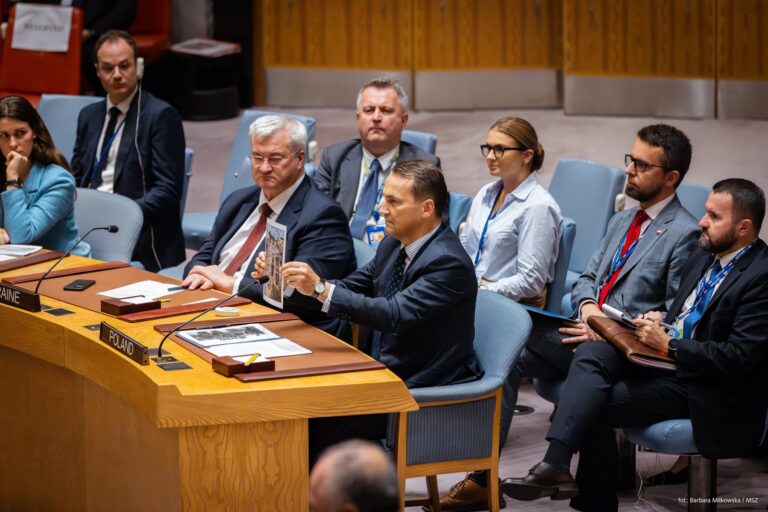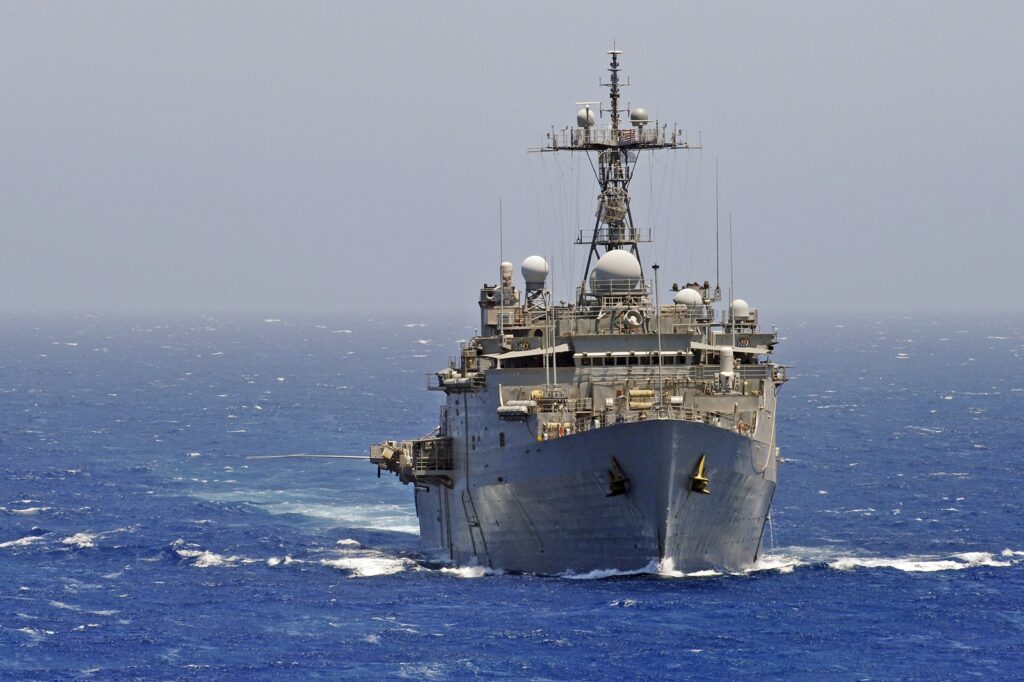
The European Parliament voted overwhelmingly this week to urge the inclusion of Yemen’s Houthi militia on the European Union’s terrorist list, a non-binding resolution that amplifies pressure on the bloc to match a U.S. designation imposed last year. The move follows a sharp escalation in Houthi missile and drone strikes against Saudi Arabia and commercial shipping in the Red Sea.
Origins of a Movement Hardened by War
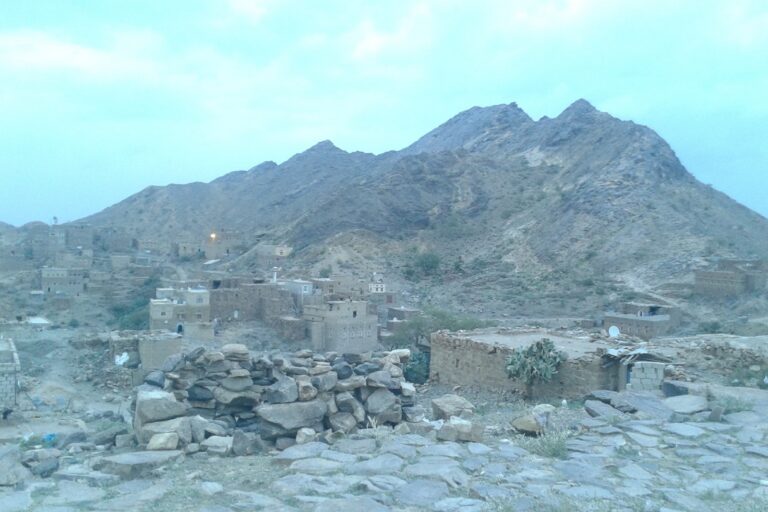
The group known globally as the Houthis calls itself Ansar Allah, a Zaydi revivalist and Shia Islamist political and paramilitary organization that emerged from Yemen’s northern highlands in the 1990s. Its leadership is drawn largely from the al-Houthi family, and its ideological foundations were shaped by opposition to then-president Ali Abdullah Saleh, whom the movement accused of corruption and subservience to Saudi Arabia and the United States, according to a historical profile of the group. In 2003, influenced by Lebanon’s Hezbollah, the Houthis adopted a slogan explicitly hostile to the United States, Israel, and the Jewish people. The movement’s founder, Hussein al-Houthi, was killed by Yemeni forces in Saada in 2004, sparking an insurgency that has since been led by his brother, Abdul-Malik al-Houthi.
The Houthis participated in the 2011 Yemeni Revolution and the subsequent National Dialogue Conference but rejected the resulting reconciliation deal. By late 2014, they had repaired ties with Saleh and, with his support, seized control of the capital, Sana’a. That takeover triggered a Saudi-led military intervention to restore the internationally recognized government, plunging Yemen into a civil war that has featured repeated Houthi missile and drone attacks on Saudi Arabia and the United Arab Emirates. The conflict is widely seen as a front in the broader proxy struggle between Iran and Saudi Arabia.
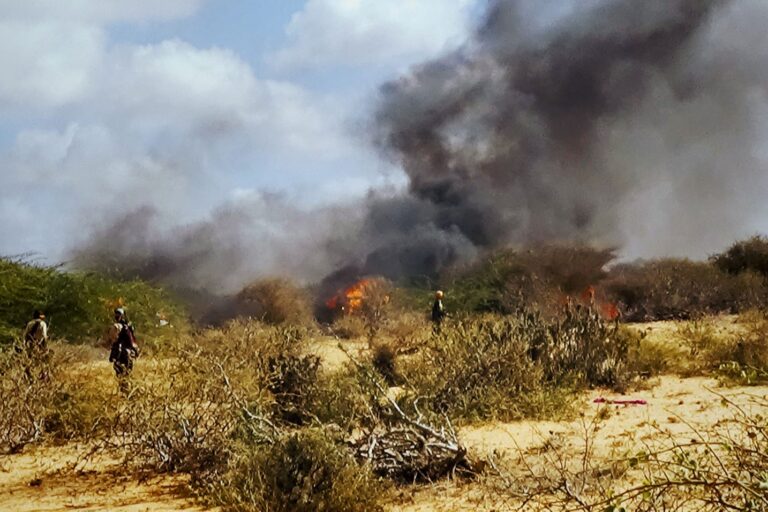
Since the outbreak of the Gaza war, the Houthis have expanded their operations, firing missiles at Israel and attacking vessels off Yemen’s coast in the Red Sea. The group states these actions are in solidarity with Palestinians and aim to pressure Israel to allow humanitarian aid into Gaza. The organization’s stated goal remains governing all of Yemen while supporting external movements against the United States, Israel, and Saudi Arabia.
How the U.S. Foreign Terrorist Organization Designation Works
Under U.S. law, the designation of a Foreign Terrorist Organization (FTO) triggers a specific legal framework. It authorizes the freezing of all assets held by the designated group within U.S. jurisdiction and prohibits U.S. persons from engaging in any financial transactions with the organization or its known agents. The designation also renders members and representatives of the group inadmissible to the United States. The Houthis were added to the FTO list last year specifically in response to their attacks on commercial shipping in the Red Sea, a vital artery for global trade.
The mechanism is designed to isolate the group from the formal international financial system. By criminalizing material support, it exposes banks, shipping firms, insurers, and other intermediaries to severe penalties if they facilitate transactions linked to the designated entity. This legal architecture extends beyond direct dealings with Houthi leadership to encompass facilitators, front companies, and financial networks that sustain the group’s operations.
Who Falls Under the Sanctions Net
The U.S. designation targets the Houthi movement as a whole, but its practical reach extends to the group’s leadership, military wings, and security apparatus. The European Parliament resolution, echoing the scope of the U.S. approach, explicitly named the militia’s military and political wings, its leadership, and its military and security apparatus as entities that should be designated. The resolution also called for the dismantling of all financing channels and the freezing of funds and economic resources belonging to the group and its facilitators.
Iran’s role as the primary external backer is central to the group’s capacity. According to the European Parliament text, the Iranian regime provides the Houthis with weapons, missile and drone technology, training, and financing. This support has been critical to developing the ballistic missile and drone capabilities used in strikes against Saudi airports, energy infrastructure, and schools, as well as in the Red Sea shipping attacks. The resolution condemned Iran’s “destabilizing role” in the region, a characterization that aligns with longstanding U.S. assessments of the Islamic Revolutionary Guard Corps’ involvement.
Operational Shifts for Shipping and Regional Security
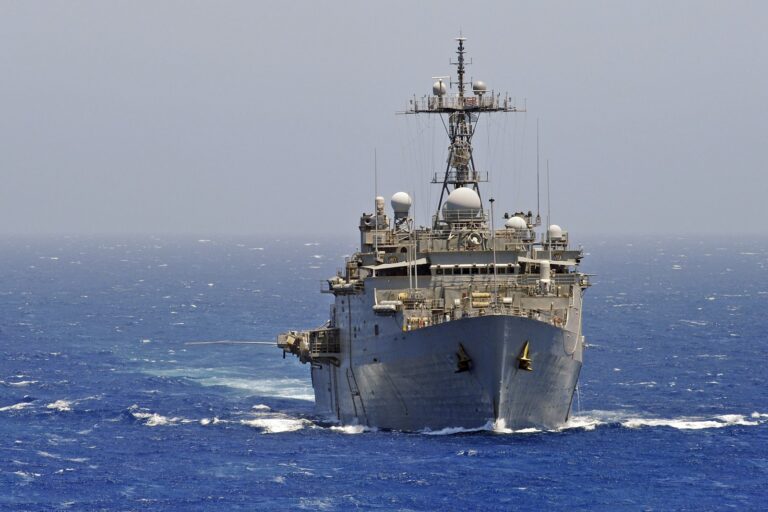
The practical consequences of the designation are already visible in the Red Sea. Houthi militants last month seized territory and islands at the Bab al-Mandab Strait, the narrow chokepoint governing access to the Red Sea from the Gulf of Aden. Forces loyal to Yemen’s internationally recognized government have since recaptured those areas as part of an operation dubbed Operation Dawn of Yemen, reducing the immediate threat to vessels transiting the strait. However, the broader pattern of missile and drone launches against commercial shipping persists, driving up insurance costs and forcing major carriers to reroute around the Cape of Good Hope.
The European Parliament resolution urged EU member states to provide additional support for a European naval mission in the Red Sea tasked with protecting shipping. The vote also expressed “full and unwavering solidarity” with Saudi Arabia and condemned the Houthis’ resumption of attacks against Yemeni government forces in recent months, which shattered a 2022 UN-brokered truce. The EU’s foreign policy chief, Kaja Kallas, described the group’s tactics as “textbook terrorist tactics designed to sow fear amongst ordinary people in the region and also in the international community.”
For the designation to take full effect within the European Union, all 27 member states must agree on a terrorist listing. That unanimity requirement has historically slowed EU action even when the Parliament and Commission push for it. The U.S. designation, by contrast, took effect immediately upon the Secretary of State’s determination, giving Washington a faster tool to pressure financial intermediaries and shipping interests worldwide.
Regional Calculus and the Iran Factor
The Houthi phenomenon cannot be reduced to Iranian proxy warfare alone. A recent analysis in Manara Magazine argues that the movement’s rise is rooted in a century of Saudi policy toward Yemen, misguided UN diplomatic efforts since 2011, and the unforgiving geography of the southern Red Sea. The 1934 Taif Agreement, which ended the first Saudi-Yemen war, ceded three historically Yemeni provinces — Asir, Najran, and Jizan — to Saudi Arabia, creating a persistent grievance that fuels northern Yemeni nationalism. These border regions remain among the most impoverished in the kingdom, making them susceptible to radicalization and cross-border alignment with Houthi ideology.
Iran’s military, financial, and diplomatic support has certainly been critical to the group’s advanced weaponry and regional legitimacy. But that support reinforced an already existing northern alliance committed to destabilizing established political structures. The analysis suggests that disentangling the Yemen conflict from the broader Iran-Saudi rivalry could allow one to be solved even as the other continues. For now, however, the terrorist designations by Washington and the push for a matching EU listing treat the Houthis as an integrated node in the Iranian-led Axis of Resistance, targeting the financial and logistical sinews that connect Tehran to the Red Sea coast.
Sources
- Houthis
- European Parliament calls for Houthi terrorist listing
- The Making of the Houthis: Saudi Policy, UN diplomacy, and Red Sea Geography
Photo: U.S. Navy photo by Mass Communication Specialist 2nd Class Kristopher Wilson (Public domain)