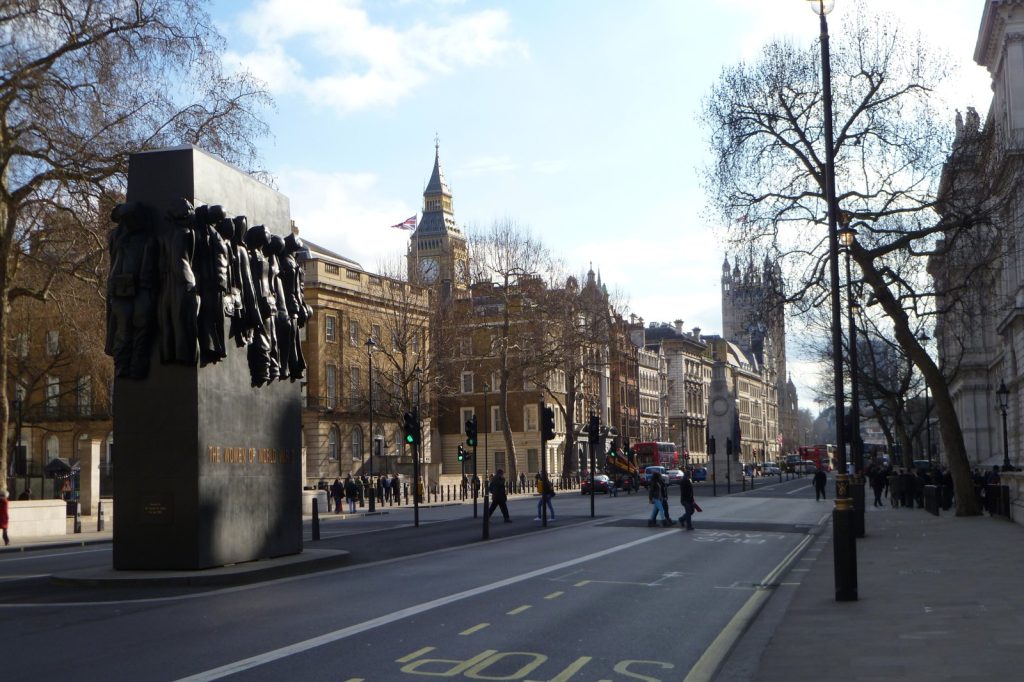
Against this backdrop of a summer afternoon at The Red Lion pub on Parliament Street, Labour staffers toasted a landslide victory on July 5, 2024. Pints in hand, they believed the chaos of 14 years of Conservative rule was finally ending. Sir Keir Starmer stood at Number 10 promising stability. Less than two years later, he was back at the same lectern, resigning. The optimism that filled the air in 2024 had curdled into what his friend and former adviser Tom Baldwin calls a “cultural phenomenon” — hating Keir Starmer.
The numbers tell the story. Within a month of taking office, Starmer cut the universal winter fuel allowance for pensioners. Opinion polls showed his approval rating plummeting by 45 per cent. He reversed parts of the policy, but the damage held. Then came the “island of strangers” speech in May last year. Angela Rayner resigned in September over stamp duty questions. A close friend of Jeffrey Epstein became the UK ambassador to Washington. Each controversy fed a hostility that baffled Baldwin: “He’s kept us out of wars, he hasn’t crashed the economy, there hasn’t been some defining financial scandal or law breaking, which there has been under previous administrations,” he told the ABC. “You go to football matches and people are chanting Keir Starmer and the next word rhymes with anchor … it’s now a sort of cultural phenomenon.”
In the corridors of Westminster, the vitriol crossed boundaries. Football crowds chanted insults rhyming with “anchor …” At festivals and televised darts matches, the same refrain. “Vote Reform, Get Starmer Out” became Reform UK’s slogan in the May 2026 local elections. The left felt betrayed on immigration; the right saw a corrupt elite. What is at stake, argues Catherine Haddon of the Institute for Government, is not Starmer personally but a political system fractured by the 2016 Brexit referendum. “The last decade has seen very volatile politics and a very difficult environment for any prime minister to carry on doing the job. They’re not given much patience.”
The wider picture extends beyond one leader. The last five prime ministers have been the five most unpopular in polling history, each breaking the predecessor’s record. Phillip Collins, former speechwriter to Tony Blair, calls the prime ministership a poisoned chalice: “If you’ve got a country where people haven’t had a pay rise in 15 years, that is going to be a country where politics is turbulent,” he said. Social media accelerates the cycle — every day in government brings a new issue that risks becoming a crisis.
Yet Haddon rejects the claim that Britain is ungovernable. Starmer’s government expanded free childcare, cut net immigration sharply, and strengthened renters’ rights — much of it uncontroversial within Labour. “Just because it’s a challenging environment to govern, it doesn’t mean that it is impossible to do so. It just means that you’ve got to really try hard.” Andy Burnham, the veteran Labour politician set to replace Starmer, inherits the same conditions. The politics of feeling — where hatred offers intensity, attachment, and the illusion of reassurance in anxious times — remains the terrain he must navigate.
Sources
- Hating UK PM Keir Starmer became a 'cultural phenomenon'. His friends are confused – ABC News
- The politics of feeling: why did ‘boring’ prime minister Keir Starmer provoke such visceral reactions?